
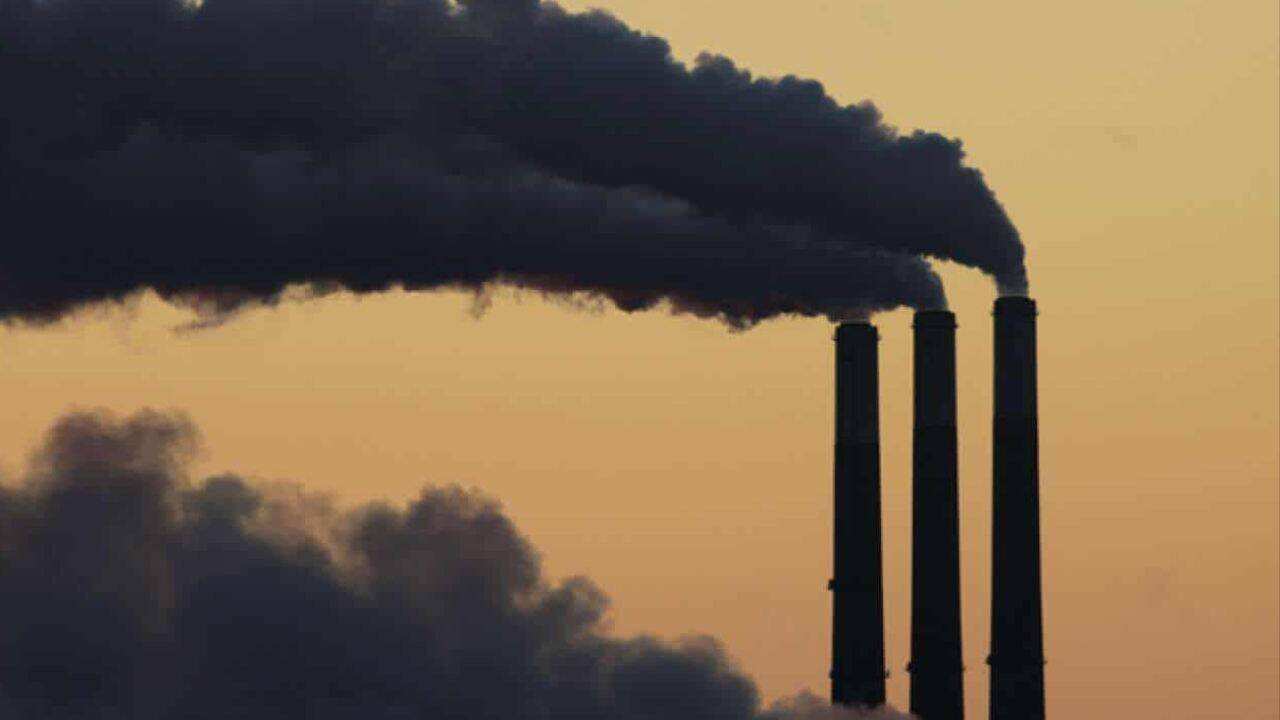

When examining the complex history of environmental legislation, the Clean Air Act stands out as a monumental framework that shaped modern industrial regulations. During the mid-20th century, a fascinating and ultimately flawed engineering strategy emerged across the United States. Industrial facilities and power plants faced growing pressure to reduce localized smog and harmful ground-level emissions. Instead of capturing pollutants at the source, energy companies found a loophole: building massive industrial structures designed to disperse pollutants miles away. This historical period reveals critical lessons about environmental oversight, policy loopholes, and the unintended consequences of high-altitude pollution dispersal.
Table of Contents
The Evolution of Tall Smokestacks in 1970s America
In 1970, the industrial landscape of the United States looked vastly different than it does today. At the dawn of the modern environmental movement, the nation possessed a mere two smokestacks exceeding 500 feet in height. These towering engineering marvels were exceptions rather than the rule. However, as federal regulators began clamping down on urban air quality through early environmental standards, facility operators faced a major dilemma. Local communities suffered from severe smog, respiratory ailments, and visible soot deposits originating from nearby coal-fired power plants and manufacturing hubs.
Rather than installing expensive scrubbers and filtration systems to capture sulfur dioxide and nitrogen oxides, corporations discovered a convenient workaround. Atmospheric scientists and engineers realized that constructing exceptionally tall chimneys allowed exhaust gases to enter faster, stronger high-altitude winds. These upper-level air currents successfully diluted the concentrated pollutants, sweeping them away from immediate population centers. Consequently, a massive construction boom occurred over the next decade and a half. By 1985, the number of industrial smokestacks towering over 500 feet skyrocketed to more than 180 nationwide.

The Flawed Engineering Logic Behind Dispersion
The core philosophy driving the construction boom was simple: dilution is the solution to pollution. Facility planners argued that spreading contaminants across a broader geographic area reduced localized toxicity to safe levels. While this strategy successfully lowered urban sulfur dioxide readings near metropolitan areas, it created a massive blind spot in environmental governance. Regulators initially focused on immediate neighborhood air quality metrics, inadvertently incentivizing industrial actors to push their waste products higher into the atmosphere.
How Tall Chimneys Fueled the North American Acid Rain Crisis
While urban residents enjoyed cleaner local air, the broader environmental consequences were devastating. Sulfur dioxide and nitrogen oxides pumped into high-altitude wind currents did not simply vanish. As these chemical compounds traveled hundreds of miles downwind, they underwent complex chemical reactions in the atmosphere. Mixing with water vapor, oxygen, and sunlight, they transformed into sulfuric acid and nitric acid.
This acidic precipitation eventually fell back to earth as rain, snow, or fog, disproportionately impacting sensitive ecosystems far from the original emission sources. Mountainous regions in the Northeast, the Adirondacks, and parts of southeastern Canada bore the brunt of this environmental fallout. Pristine lakes and rivers experienced drastic drops in pH levels, effectively wiping out fish populations and disrupting aquatic food webs. Forests suffered widespread nutrient depletion, leaving trees vulnerable to disease, pests, and harsh weather conditions.
| Era | Primary Regulatory Focus | Primary Industry Tactic | Environmental Result |
|---|---|---|---|
| Pre-1970 | Minimal Federal Oversight | Direct local emission | Severe urban smog |
| 1970–1985 | Local Air Quality Standards | Building 500+ foot smokestacks | Regional acid rain crisis |
| Post-1990 | Source Capture & Cap-and-Trade | Flue-gas desulfurization | Ecosystem recovery |
Legislative Backlash and the Evolution of the Clean Air Act
As scientific evidence mounted linking tall industrial stacks to cross-border ecological damage, public outcry intensified. Policymakers realized that the existing regulatory framework contained a glaring loophole. By treating pollution dispersion as an acceptable compliance method, the law failed to address total atmospheric loading. In response, lawmakers initiated major legislative reforms.
The landmark 1990 amendments to the federal environmental guidelines specifically targeted the tall stacks phenomenon. Congress explicitly restricted the use of atmospheric dispersion tactics for compliance purposes. Facilities could no longer rely on chimney height to meet legal emission limits. Instead, regulators mandated direct source capture technologies, forcing companies to remove pollutants before they ever left the facility.
Modern Technological Shifts in Emission Control
The elimination of the tall stack loophole revolutionized industrial engineering. Power companies and manufacturing plants transitioned away from dispersion strategies, investing heavily in innovative pollution control hardware. Flue-gas desulfurization units, commonly known as scrubbers, became standard fixtures on industrial smokestacks. These systems capture sulfur dioxide using limestone slurry before exhaust gases reach the atmosphere.
Additionally, market-based mechanisms such as the acid rain cap-and-trade program introduced economic incentives for reducing total emissions. Facilities that innovated and cleaned their processes could sell pollution allowances to others, driving rapid technological adoption across the energy sector. For more insights on legislative milestones, explore our detailed guide on environmental policy history.
Conclusion
The rapid proliferation of towering industrial chimneys between 1970 and 1985 remains a compelling case study in unintended environmental consequences. While initially viewed as a clever solution to urban smog, high-altitude dispersion merely shifted pollution burdens across state and national borders, catalyzing the destructive acid rain phenomenon. Ultimately, legislative interventions and modern source-capture technologies proved that genuine environmental protection requires addressing emissions at their origin rather than simply sending them away.