

Table of Contents
Introduction
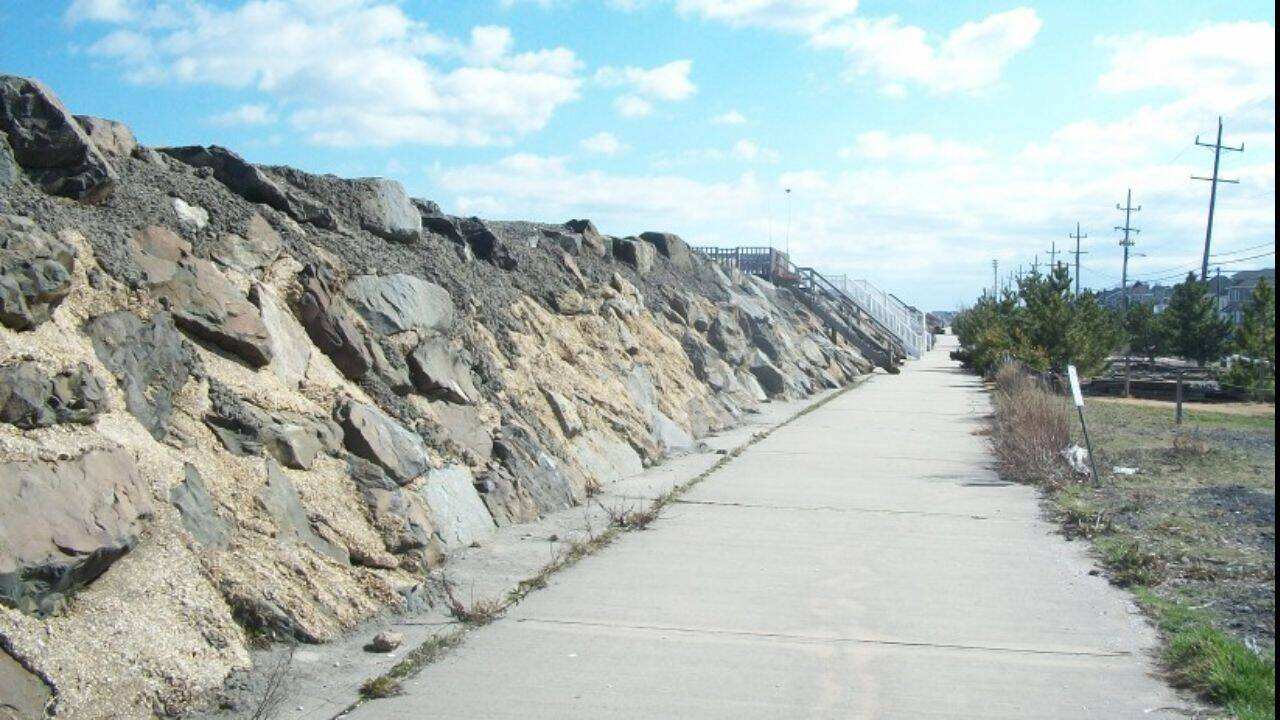
The construction of a massive New Jersey seawall has sparked intense debate among environmental scientists, coastal engineers, and local residents. While the heavy infrastructure successfully shields critical state highways and expensive beachfront homes from immediate storm damage, it has triggered an unintended consequence: the complete disappearance of the sandy shoreline.

Coastal management involves difficult trade-offs. As sea levels rise and severe weather events become more frequent, communities face mounting pressure to protect valuable real estate. However, traditional hard engineering solutions often disrupt delicate coastal ecosystems. Understanding the mechanics behind these structures helps planners design better defenses for future generations.
The New Jersey Seawall Engineering Dilemma
Protecting vulnerable coastal infrastructure requires massive investments. In response to mounting erosion threats, state and local authorities turned to heavy civil engineering to secure vital transport links and residential areas.
Balancing Infrastructure and Nature
Highways and coastal dwellings sit precariously near the Atlantic Ocean. When powerful nor’easters and tropical storms strike, waves threaten to wash away these vital economic assets. Engineering a massive defensive wall seemed like the most direct path to safety.
Unforeseen Consequences of Hard Armor
Unfortunately, rigidity in a dynamic coastal environment frequently backfires. Beaches are not static landforms; they rely on a constant, natural supply of sediment moving along the coastline via longshore drift.

How Hard Armor Accelerates Erosion
When ocean waves hit a sloping, natural sandy beach, much of their kinetic energy dissipates smoothly across the shore zone. In contrast, when waves collide with a vertical or sloping concrete seawall, the physical dynamics change dramatically.
Wave Energy Redirection
Instead of absorbing the impact, the massive barrier reflects the wave energy downward toward the base of the wall. This concentrated hydraulic force scours away the remaining sand, dragging it offshore into deeper water.
The Disappearance of Low-Tide Beaches
As a direct result of this continuous downward scouring, the beach in front of the barrier vanishes entirely. Even during low tide, visitors encounter deep water crashing directly against the concrete face, rendering the shoreline entirely unusable for recreation.
Ecological and Recreational Impacts
The loss of natural shorelines extends far beyond aesthetics and tourism. Barrier islands play a critical role in regional ecology and storm mitigation.
- Habitat Loss: Shorebirds, nesting sea turtles, and ghost crabs lose vital nesting and feeding grounds.
- Barrier Island Migration: Natural barrier islands naturally roll backward over time as sand washes over them. Seawalls halt this natural migration, trapping the island in place and causing long-term degradation.
- Recreational Decline: Coastal communities rely heavily on beach tourism. Losing the beach severely impacts local businesses and real estate values.
Sustainable Alternatives Moving Forward
As traditional hard engineering proves problematic, coastal planners are exploring alternative methods to manage erosion:
| Management Strategy | Description | Pros & Cons |
|---|---|---|
| Beach Nourishment | Pumping fresh sand onto depleted beaches. | Restores recreation space, but is expensive and temporary. |
| Living Shorelines | Using natural elements like marshes, dunes, and oyster reefs. | Provides ecological benefits and flexibility, but requires space. |
| Managed Retreat | Relocating structures away from hazardous zones. | Permanent solution, but faces major social and political resistance. |
Conclusion
The situation in New Jersey highlights the complex challenges of modern coastal management. While hard barriers successfully defend immediate assets, they often destroy the very shorelines they aim to protect. Future planning must balance infrastructure protection with ecological sustainability to preserve our coasts for years to come.