

Table of Contents
Introduction
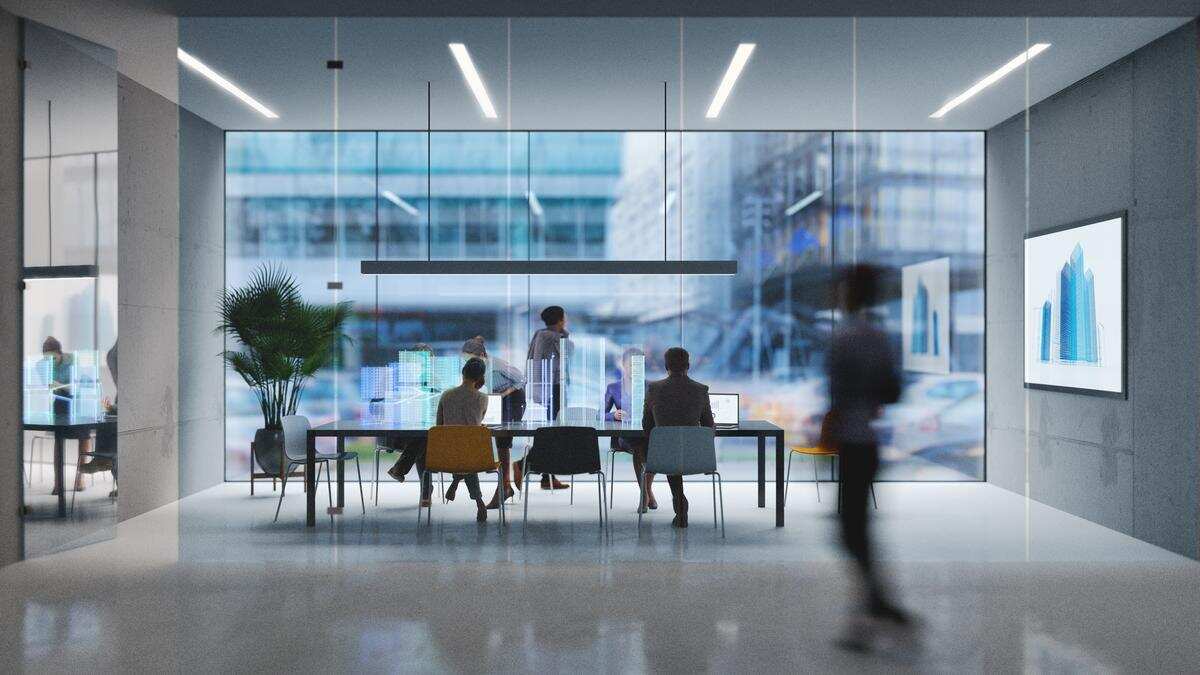
Artificial intelligence office design is rapidly emerging as a critical factor in how modern businesses adapt to shifting professional landscapes. As remote and hybrid models redefine daily routines, corporate real estate is no longer just about rows of desks. Instead, organizations are leveraging advanced technologies to foster environments that prioritize human connection, deep focus, and seamless collaboration. This transformation moves far beyond simple aesthetic upgrades, touching every aspect of spatial planning and employee well-being.
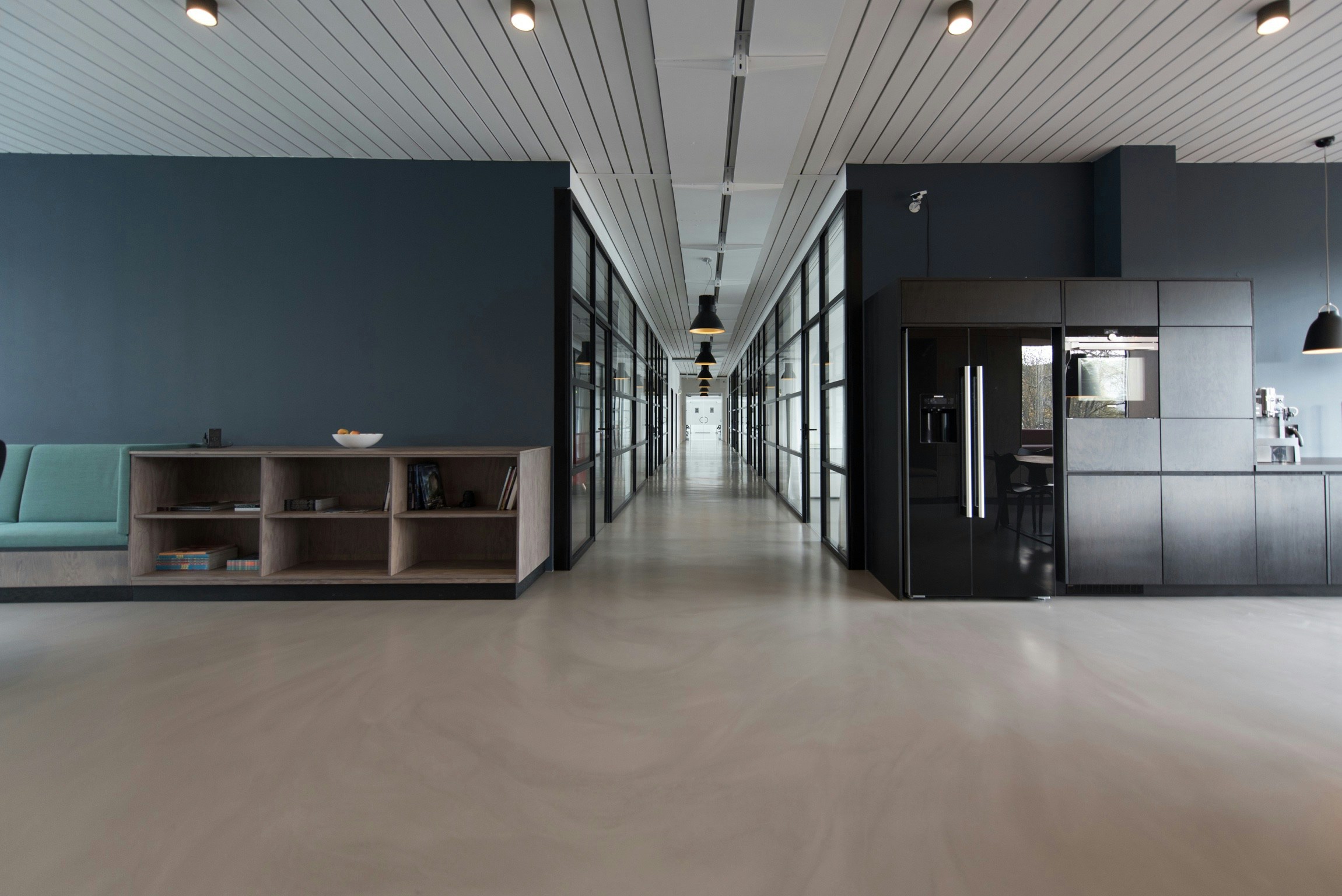
Understanding how smart algorithms and automated analytics shape our physical workspaces requires looking at the broader economic and social shifts. Employers face the dual challenge of convincing staff to return to physical hubs while ensuring those spaces offer distinct advantages over working from home. Consequently, workplace strategists are turning to data-driven spatial design to create dynamic, adaptable environments.
The Evolution of the Workplace
The traditional office model has undergone immense changes over the past decade. Historically, corporate real estate focused on maximizing headcount per square foot, often resulting in cramped cubicles and rigid seating arrangements. However, the mass adoption of digital communication tools during recent global disruptions permanently altered employee expectations.
Shifting Employee Expectations
Today, employees visit corporate headquarters primarily for social interaction, collaborative brainstorming, and mentorship. Individual tasks requiring deep concentration frequently happen in home offices or quiet alternative settings. Because of this shift, corporate architects must design environments that support both collective energy and private contemplation without friction.
Data-Driven Spatial Planning
Rather than relying on guesswork, facility managers now use sensor networks and machine learning models to track how different areas of a building get used. This data reveals peak hours for meeting rooms, underutilized breakout zones, and traffic bottlenecks. By analyzing these patterns, organizations can reconfigure layouts dynamically to match actual usage habits.
Artificial Intelligence Office Design in Action
Integrating smart technologies into architectural planning allows for unprecedented optimization. Predictive models can simulate various floor plans and forecast their impact on team productivity and energy consumption before a single wall is built.

Optimizing Environmental Controls
Smart buildings utilize automated systems to regulate lighting, temperature, and air quality based on occupancy levels and natural sunlight patterns. These adaptive environments not only reduce operational carbon footprints but also enhance employee comfort, leading to higher engagement and reduced fatigue throughout the workday.
Personalized Workspaces
Hot-desking and flexible seating arrangements benefit immensely from smart software. Employees can reserve desks or collaboration pods that align with their daily schedules, while the system learns their preferences for lighting and desk height, automatically adjusting the environment upon their arrival.
Balancing Collaboration and Focus
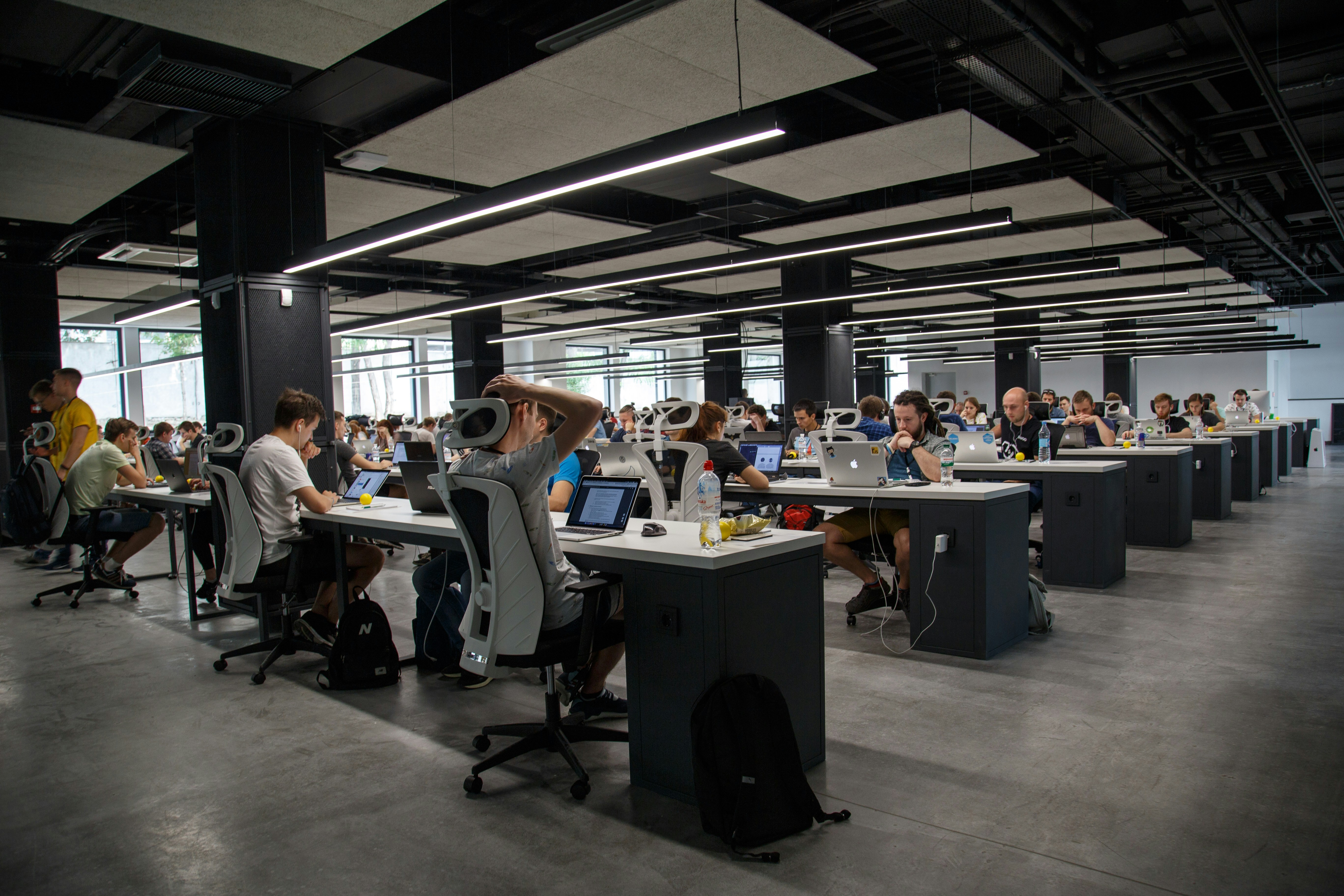
Creating a harmonious balance between open collaborative zones and quiet focus areas remains one of the greatest architectural challenges today. Artificial intelligence office design tackles this issue by identifying acoustic hotspots and recommending spatial buffers.
- Dynamic room booking based on team size and project requirements.
- Acoustic monitoring that flags excessively noisy communal areas.
- Smart partitioning solutions that reconfigure spaces based on real-time acoustic needs.
Enhancing Human Connection
Despite the digital nature of smart systems, the ultimate goal of modern spatial redesign is to foster authentic human connection. By removing administrative friction around room scheduling and resource management, workers can spend more time engaging with colleagues in spaces specifically optimized for creative exchange.
Future Trends in Modern Offices
Looking ahead, the integration of automation in workspace architecture will only deepen. We can anticipate predictive furniture arrangements, biometric-driven wellness pods, and fully responsive architectural elements that adapt instantly to the flow of daily business operations.
Sustainability and Efficiency
As corporate sustainability goals become mandatory, smart architecture will play a pivotal role in minimizing resource waste. Real-time monitoring ensures that climate control and power usage scale down automatically in unoccupied zones, supporting corporate environmental, social, and governance objectives.
Conclusion
The integration of smart technologies into corporate architecture marks a profound shift in how we experience our working environments. Artificial intelligence office design successfully bridges the gap between operational efficiency and human-centric needs. By prioritizing adaptability, comfort, and connection, organizations can build inspiring spaces that stand ready for the future of work.