
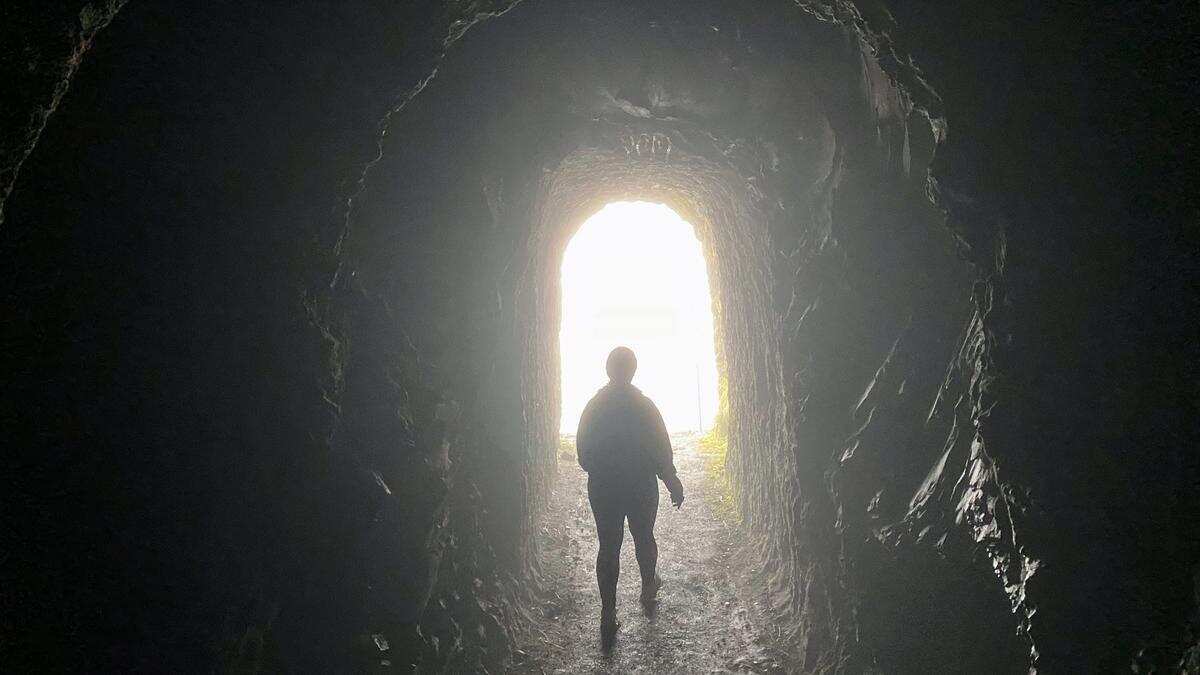

When exploring the nature of education, human curiosity, and the true purpose of a teacher, few concepts are as enduring as Plato’s Cave Allegory. As an essential framework for understanding how we perceive reality, this 2,000-year-old philosophical masterpiece remains remarkably relevant today. Plato’s Cave Allegory challenges us to question our assumptions, push past intellectual comfort zones, and rethink how we guide the next generation of learners toward true enlightenment.
Table of Contents
Understanding Plato’s Cave Allegory
In Book VII of Plato’s foundational work The Republic, the ancient Greek philosopher presents a vivid scenario. Imagine prisoners chained inside a dark underground cave since childhood. They face a blank wall, unable to turn their heads. Behind them burns a fire, and between the fire and the prisoners, people walk carrying various objects, casting shadows on the wall.
To these chained prisoners, the shadows are the absolute truth of reality. They have never known anything else, having spent their lives naming and categorizing these fleeting silhouettes. Plato uses this metaphor to illustrate how most human beings live in a state of intellectual limitation, accepting sensory illusions and societal conditioning as ultimate truth.
The Role of the Teacher as a Guide
One of the most profound aspects of the allegory occurs when one prisoner is forcefully freed and dragged up the steep, rugged ascent into the blinding sunlight. Initially, this process is painful and terrifying. The prisoner’s eyes ache from the sudden glare, and they naturally want to retreat to the safety of the dark cave where vision is easy and familiar.
This is where the true duty of an educator becomes clear. A great teacher does not simply feed students comfortable answers or project easy entertainment onto a wall. Instead, a skilled mentor guides learners through the difficult, sometimes uncomfortable process of questioning deeply held beliefs. The journey out of the cave requires patience, empathy, and persistent encouragement.
Overcoming Intellectual Resistance
Change is rarely easy. When students are confronted with facts that challenge their worldview, resistance often follows. Effective educators anticipate this friction. They provide a supportive environment where making mistakes is viewed as a natural stepping stone toward deeper comprehension rather than a failure.
Curiosity as the Catalyst for Learning
Without innate curiosity, the journey out of the cave is impossible. Children naturally possess an insatiable desire to explore, question, and understand their environment. Educational systems must nurture this spark rather than extinguish it through rote memorization and standardized testing.
- Encouraging open-ended questions instead of closed answers.
- Promoting interdisciplinary thinking to connect various subjects.
- Creating spaces for experiential and hands-on learning.
Modern Applications in Education
Today, Plato’s Cave Allegory serves as a powerful lens through which we can analyze modern digital environments, social media echo chambers, and algorithmic information feeds. Much like the prisoners watching shadows, modern audiences can easily become trapped in curated digital realities that reinforce existing biases.
Modern classrooms must act as the steep ascent, teaching students critical thinking skills, digital literacy, and scientific inquiry. By learning how to evaluate sources, question assumptions, and seek out objective truths, students successfully escape intellectual confinement.
Conclusion
Plato’s timeless metaphor reminds us that true learning is never a passive reception of facts. It is an active, often challenging transformation of consciousness. By embracing curiosity and fostering dedicated mentorship, we can help learners step out of the shadows and into the brilliant light of knowledge.