

Table of Contents
Introduction to Hong Kong Island Cattle
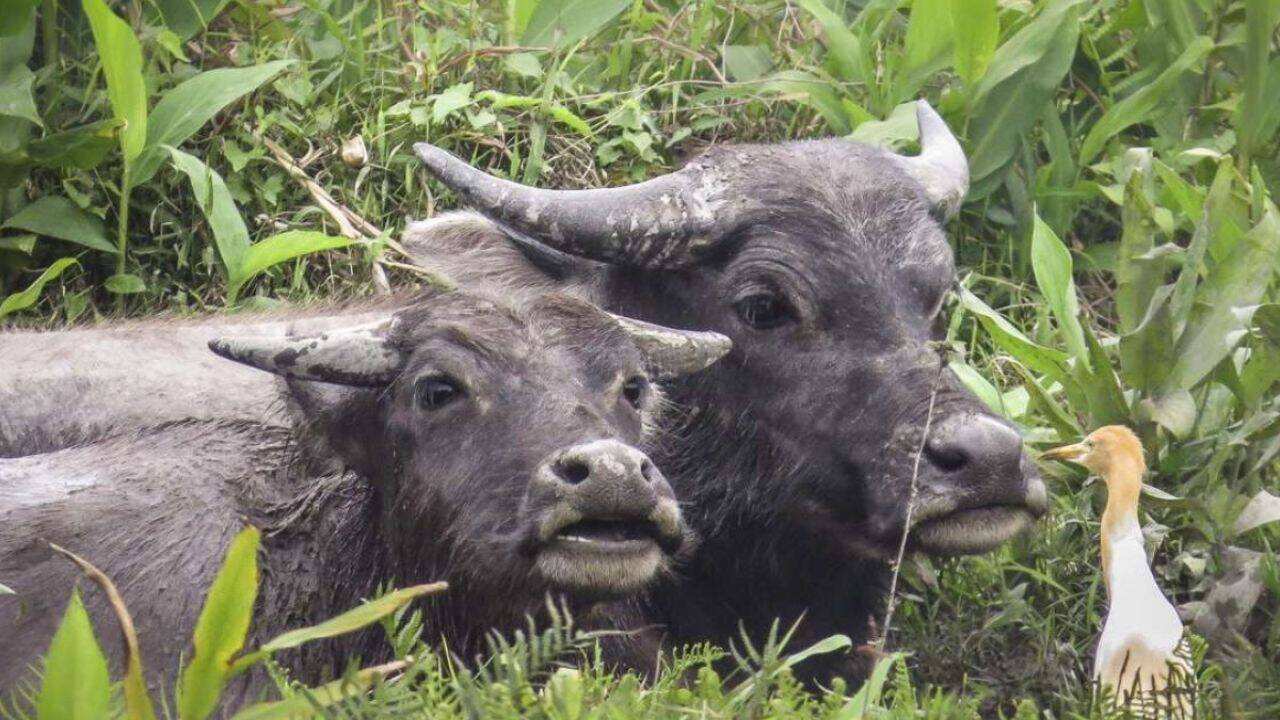
Hong Kong cattle DNA research has recently provided unprecedented insights into how domesticated animals manage to survive and thrive in isolated environments over centuries. When herds were left behind on various southern Chinese islands generations ago, scientists assumed they would simply struggle or dilute their genetic traits. However, a comprehensive genetic investigation published in 2026 has completely changed this perspective. By examining the hereditary material of these resilient animals, researchers uncovered a remarkable biological archive detailing centuries of natural selection, environmental stress, and remarkable evolutionary resilience.

Understanding how these bovines adapted offers critical lessons not only for evolutionary biology but also for modern agricultural practices facing climate change. As global temperatures rise and traditional farming zones experience extreme weather, studying resilient livestock populations becomes essential for ensuring future food security.
Unlocking the Secrets Through Genomic Research
Modern genetic sequencing technologies have allowed scientists to dive deep into the evolutionary history of feral and semi-feral herds in the region. Researchers extracted samples from multiple populations across the territory to map their complete genetic makeup. What they discovered inside the Hong Kong cattle DNA was a complex tapestry of historical migrations, human interactions, and autonomous adaptation.
Methodology Behind the 2026 Genome Mapping
Scientists employed high-throughput sequencing to compare the genomes of island-dwelling bovines with mainland counterparts. This rigorous comparative analysis highlighted specific genetic variants unique to the island populations.
- Collection of tissue and blood samples from geographically isolated herds.
- Extraction of high-purity DNA for next-generation sequencing.
- Bioinformatic analysis comparing island samples with mainland reference genomes.
- Identification of selective sweeps indicative of environmental adaptation.

Key Genetic Adaptations to Island Life
Isolated island ecosystems present unique challenges, including limited food resources, high humidity, tropical diseases, and restricted genetic diversity. The findings embedded within the Hong Kong cattle DNA reveal how these challenges were met at a molecular level.
Immunity and Disease Resistance
Living in humid, subtropical environments exposes animals to numerous pathogens and parasites. The genomic study identified distinct genetic signatures associated with enhanced immune responses. These traits likely helped the herds fend off local tick-borne illnesses and tropical infections without human veterinary intervention.
Metabolic Adjustments
With seasonal fluctuations in forage quality and availability, island bovines developed unique metabolic pathways. These genetic adjustments allow them to maintain body condition on lower-quality vegetation, a crucial survival mechanism during lean periods.
| Environmental Stressor | Observed Genetic Response | Evolutionary Advantage |
|---|---|---|
| Tropical Pathogens | Upregulated immune genes | Higher resistance to local diseases |
| Scarcity of Feed | Optimized metabolic efficiency | Survival on poor-quality vegetation |
| Heat and Humidity | Thermoregulation markers | Reduced heat stress and dehydration |
Historical Context of Hong Kong Livestock
To fully appreciate the genetic data, historians and biologists had to look back at the region’s agricultural past. For centuries, rural communities in the Pearl River Delta utilized cattle for plowing fields and transporting goods. During times of economic shift, military conflict, or shifting settlement patterns, small groups of these working animals were left behind on offshore islands.
Over hundreds of years, these abandoned populations transitioned from domestic beasts of burden to semi-wild inhabitants. Free from direct human breeding programs, they experienced unguided natural selection. This unintended evolutionary experiment created a robust gene pool capable of enduring harsh coastal climates.
Implications for Future Conservation and Agriculture
The insights gained from analyzing Hong Kong cattle DNA extend far beyond regional history. As climate change accelerates, agricultural scientists are desperately searching for traits that make livestock more resilient to environmental stressors. The unique genetic variants discovered in these island herds could serve as a blueprint for breeding hardier domestic livestock.
- Breed Preservation: Recognizing these unique populations as valuable genetic resources.
- Climate Resilience: Integrating heat-tolerant genes into commercial breeding programs.
- Biodiversity Protection: Protecting fragile island ecosystems while respecting local fauna.

Conclusion
The recent findings regarding Hong Kong cattle DNA highlight the incredible power of natural selection and evolutionary resilience. What began as abandoned livestock transformed into a genetically distinct population capable of surviving extreme environmental pressures. As researchers continue to decode these biological archives, the lessons learned will undoubtedly influence the future of sustainable agriculture and animal conservation worldwide.