

Table of Contents
Introduction to Operation Yellow Ribbon
When Operation Yellow Ribbon was activated, the small town of Gander suddenly found itself at the epicenter of international aviation history. Following the tragic terrorist attacks on September 11, 2001, United States airspace was abruptly closed, leaving thousands of aircraft stranded mid-flight. Among the most remarkable stories to emerge from that dark day is how a tiny Newfoundland community absorbed thousands of unexpected international guests with extraordinary warmth and compassion.

The Crisis Begins on September 11
On the morning of September 11, 2001, the world changed forever. As commercial flights were ordered to land immediately at the nearest available airports, Transport Canada and NAV CANADA enacted emergency protocols. Transatlantic flights heading toward North America were forced to divert.
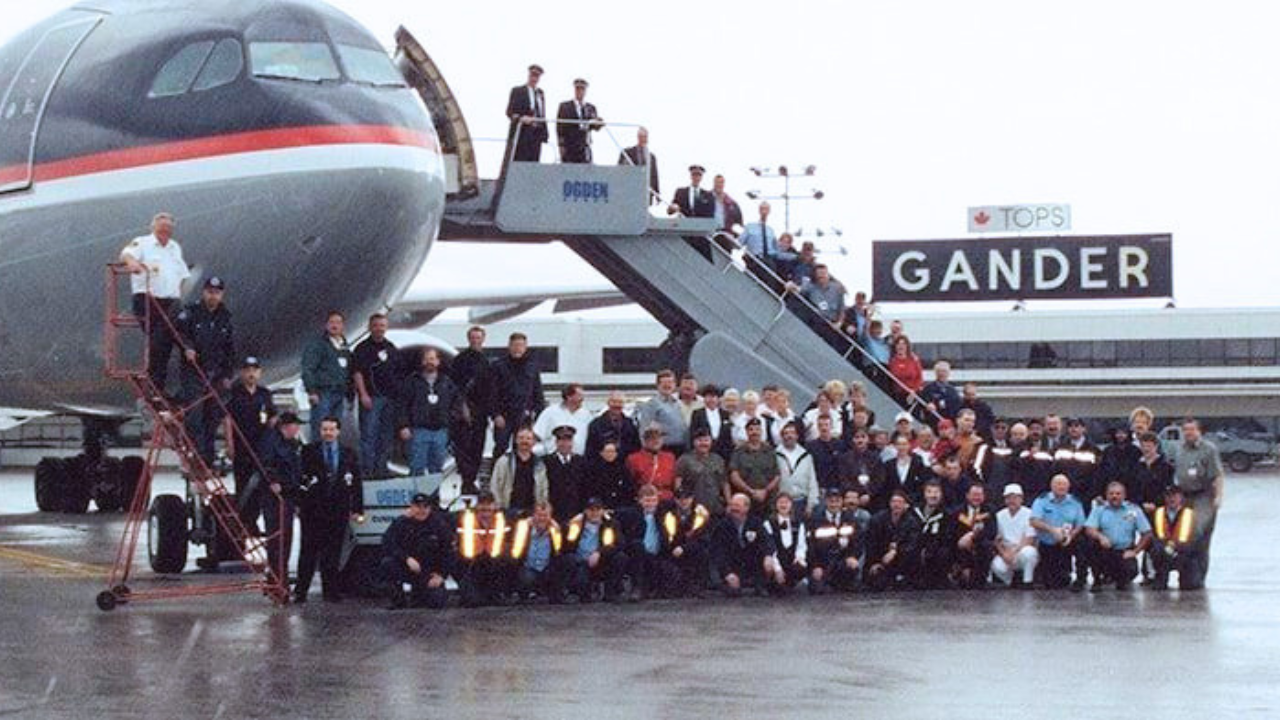
Gander International Airport, once a major refueling stop for transatlantic propeller planes, boasted a runway long enough to handle massive wide-body commercial airliners. Within a matter of hours, 38 civilian and military aircraft touched down on the tarmac in Gander, carrying nearly 7,000 passengers and crew members from dozens of different nations.
Immediate Logistical Hurdles
The sudden influx of air travelers represented an immense logistical challenge. The local population of Gander was only about 10,000 residents, meaning the town’s population nearly doubled overnight. Authorities faced several immediate hurdles:
- Managing customs and immigration security clearances for thousands of foreign nationals.
- Securing adequate housing, cots, and bedding for days of unexpected accommodation.
- Sourcing and preparing massive quantities of food and medication.
- Providing psychological support and comfort to shocked and frightened passengers.
Gander Steps Up: A Community Mobilizes
Faced with an unprecedented humanitarian mission, the residents of Gander and surrounding towns such as Appleton and Gambo responded with legendary hospitality. Local unions, school boards, churches, and individual citizens worked around the clock to provide for the stranded travelers, who were affectionately dubbed “the plane people.”

Schools were converted into makeshift dormitories, pharmacies dispensed vital prescriptions free of charge, and supermarkets emptied their shelves to feed the hungry visitors. Local bus drivers, who had threatened to strike just prior to the crisis, immediately suspended their job action to transport the passengers to various shelters.
Diversion Statistics Overview
| Metric | Data Count |
|---|---|
| Aircraft Diverted to Gander | 38 Planes |
| Total Passengers and Crew | Nearly 7,000 individuals |
| Duration of Stay | Up to 5 days |
| Local Population | Approx. 10,000 residents |
Human Connection and Lasting Bonds
Beyond basic survival needs, the emotional toll of September 11 weighed heavily on everyone involved. Cut off from television feeds and accurate information initially, passengers experienced acute anxiety about the safety of their loved ones and the state of global affairs. Local hosts opened their homes for showers, laundry facilities, and telephone calls so visitors could contact their families.
Lifelong friendships blossomed during these five days. Many passengers later returned to Gander to visit their host families, and numerous scholarship funds were established by grateful travelers to support local Newfoundland students.
The Lasting Legacy of Gander’s Hospitality
The heartwarming response of Gander inspired global media coverage, books, and the award-winning Broadway musical Come From Away. It stands as a testament to human empathy and kindness in the face of profound tragedy.

Conclusion
The events following September 11, 2001, demonstrated the best of humanity during one of its darkest hours. Through Operation Yellow Ribbon, the residents of Gander proved that kindness knows no borders. By welcoming thousands of strangers into their community, they turned a moment of unimaginable fear into a timeless legacy of global friendship and compassion.