

Table of Contents
Introduction
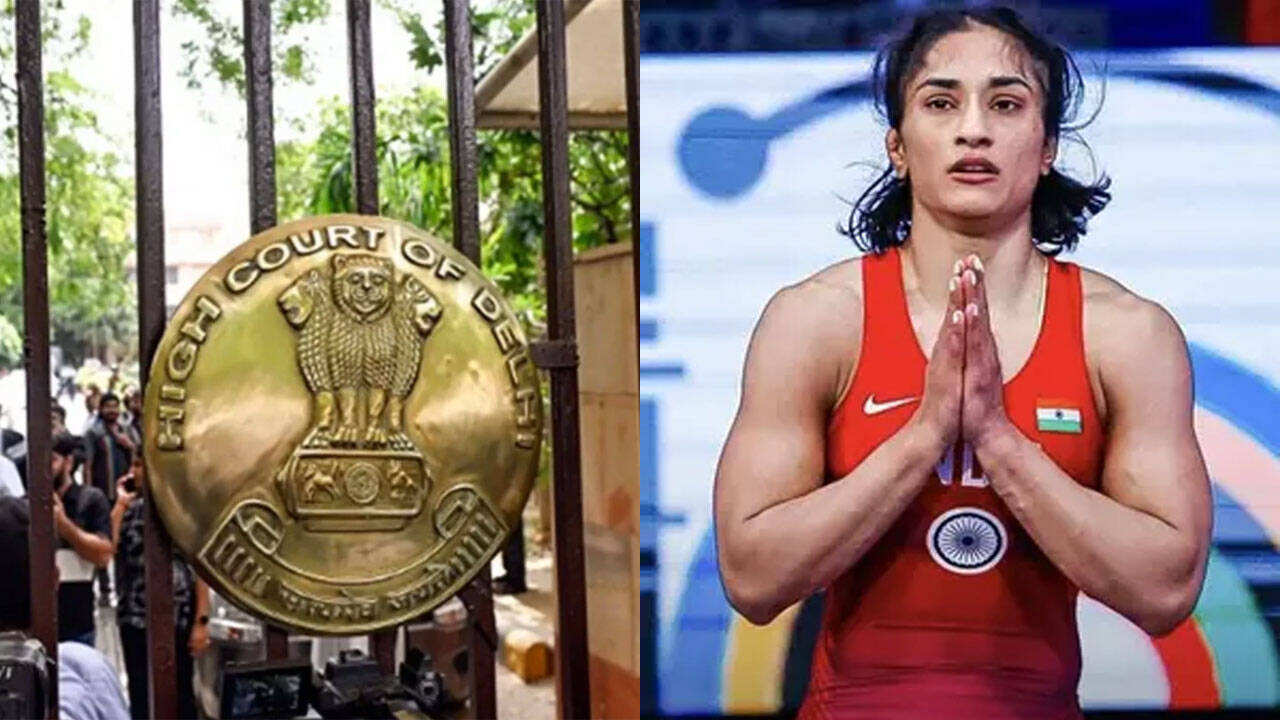
Vinesh Phogat trials have recently become the focal point of a major legal debate in Indian sports. The Delhi High Court has officially declined to grant an interim exemption to the prominent wrestler, barring her from entering the selection trials for the upcoming 2026 Senior World Championships. This judicial decision highlights the strict adherence to uniform eligibility guidelines upheld by sports governing bodies and judicial systems alike.
As the sports ecosystem continues to evolve, balancing individual career circumstances with standardized regulations remains a persistent challenge. This article delves into the nuances of the court’s recent verdict, the background surrounding maternity challenges in competitive athletics, and the broader ramifications for the wrestling community.
Understanding the Court Ruling
The core of the legal dispute centered around whether exceptional circumstances warrant a deviation from established selection protocols. Vinesh Phogat sought an interim exemption to bypass the standard trials. However, the bench made it clear that creating specific exceptions could undermine the fairness and transparency of the selection process.
Key Highlights of the Hearing
- Uniform Criteria: The court strongly emphasized that eligibility rules must apply equally to all competing athletes.
- Interim Relief Denied: The bench declined to issue an immediate order allowing her participation without going through the regular trials.
- Policy Review: While interim relief was denied, the court noted that the validity of policies concerning maternity and career breaks would still be examined during subsequent proceedings.
Background and Maternity Challenges in Sports
Navigating motherhood and professional athletics remains one of the toughest tests for female sports stars globally. Athletes frequently face a complex dilemma when stepping away from active competition for family planning or pregnancy, only to find that returning to the highest levels requires overcoming bureaucratic hurdles alongside physical recovery.
In recent years, sporting federations worldwide have faced mounting pressure to adopt progressive maternity policies. These policies aim to protect rankings, provide financial support, and offer fair pathways for return. However, as the latest judicial decision demonstrates, translating these ethical considerations into actionable, legally sound selection exemptions remains a contentious issue.
Implications for Indian Wrestling
The decision carries significant weight for the landscape of Indian wrestling. Selection trials are designed to identify the absolute best talents through competitive merit. When established champions seek direct entries or exemptions, it often sparks intense debates regarding fairness versus recognition of past achievements.
| Aspect | Details |
|---|---|
| Event | 2026 Senior World Championships |
| Athlete | Vinesh Phogat |
| Judicial Body | Delhi High Court |
| Primary Verdict | Interim exemption denied; uniform criteria prioritized |
By upholding the necessity of standard trials, the judiciary reinforces the principle that no athlete is above the established rules of selection. At the same time, the ongoing review of maternity policy validity ensures that the conversation surrounding athlete welfare and career pauses will continue to develop.
Conclusion
The denial of interim relief to Vinesh Phogat marks a decisive moment in sports administration and legal oversight in India. While the debate over maternity policies and career accommodations in elite sports is far from over, the current judicial stance prioritizes systemic fairness and uniform standards. The legal framework will continue to assess the broader policy validity, but for now, the path to the 2026 Senior World Championships remains strictly bound to standard selection trials.