
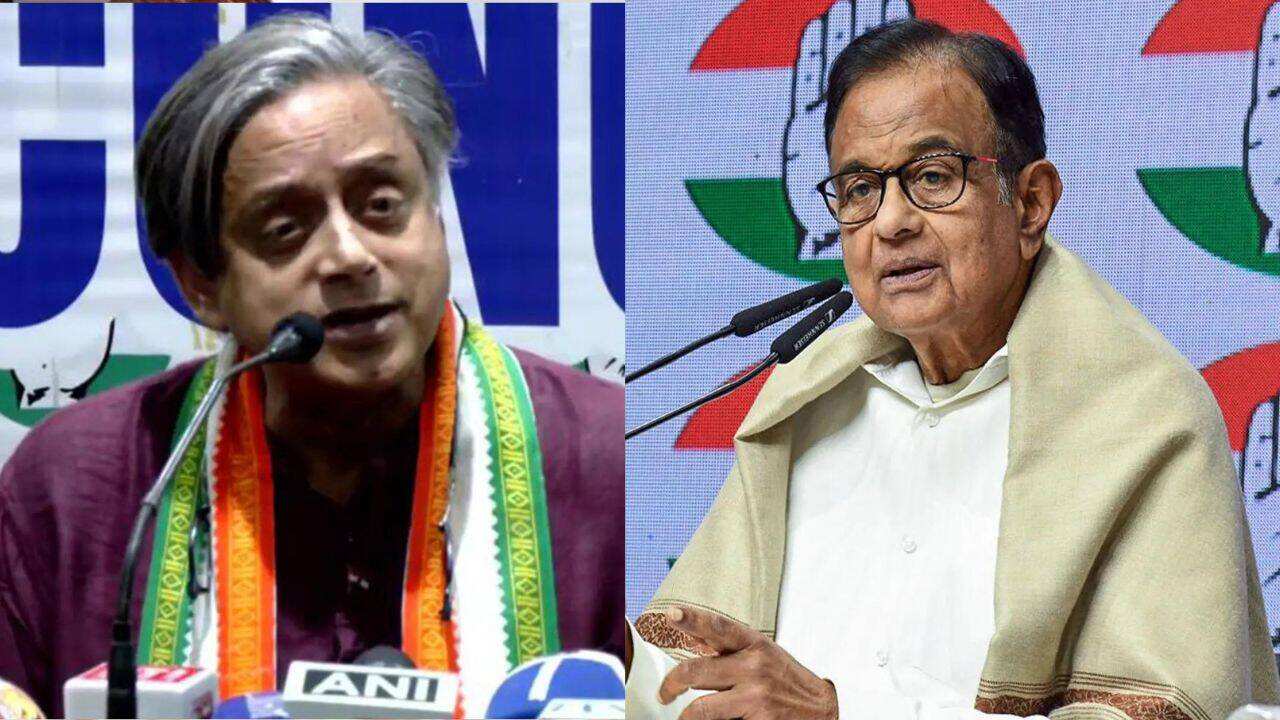

When examining BRICS benefits for India, senior political figures often hold sharply contrasting perspectives that shape national foreign policy discussions. Recently, a vibrant internal debate emerged within the political landscape after senior leaders expressed differing views regarding the economic and diplomatic returns of international multilateral groupings. While questions were raised concerning the tangible outcomes of such global summits, counter-arguments emphasized the immense prestige, diplomatic convening power, and strategic leverage these platforms offer to emerging economies.
Table of Contents
Understanding the BRICS Debate in Indian Politics
The discourse surrounding India’s engagement with major multilateral alliances has always attracted intense scrutiny from policymakers, analysts, and opposition leaders alike. Critics often demand quantifiable metrics regarding trade deficits, financial gains, and localized economic advantages before endorsing such massive international engagements. However, foreign policy veterans argue that viewing these summits solely through a narrow economic lens fails to capture the broader geopolitical architecture.
Hosting major world leaders and participating actively in multilateral forums allows a nation to project soft power, build strategic alliances, and negotiate effectively on critical global issues such as climate change, reformed multilateralism, and supply chain resilience. This divergence in opinion highlights the ongoing evolution of foreign policy discourse within domestic political circles.
Diplomatic Weight and Global Representation
Proponents of India’s active role in the bloc point out several undeniable realities regarding global demographics and economic shifts:
- Demographic Representation: The alliance represents a substantial majority of the global population, giving its resolutions significant moral and political weight.
- Convening Power: Successfully hosting and organizing international summits demonstrates a country’s logistical capability, diplomatic prestige, and central role in international affairs.
- Strategic Autonomy: Multilateral platforms provide emerging nations with alternative spaces to advocate for multipolar world orders independent of traditional Western-dominated institutions.
By focusing on these structural advantages, leaders who defend these engagements argue that the long-term geopolitical returns far outweigh short-term economic calculations.
Internal Congress Party Dynamics and BJP Reactions
The divergence of opinions within the opposition camp also drew swift reactions from the ruling establishment. The Bharatiya Janata Party (BJP) seized upon the varying stances to highlight internal friction and differing priorities within the opposition ranks. Observers noted that independent-minded leaders often articulate nuanced viewpoints that deviate from party lines, sparking broader conversations about foreign policy consistency.
Such moments illustrate how foreign policy issues can quickly transform into domestic political talking points, influencing public perception regarding governance, leadership capability, and national prestige on the world stage.
Conclusion
Ultimately, analyzing BRICS benefits for India requires a balanced assessment of both tangible economic metrics and intangible diplomatic leverage. As the global order continues to shift toward multipolarity, India’s active participation in diverse international forums remains a cornerstone of its strategic autonomy and global influence.