
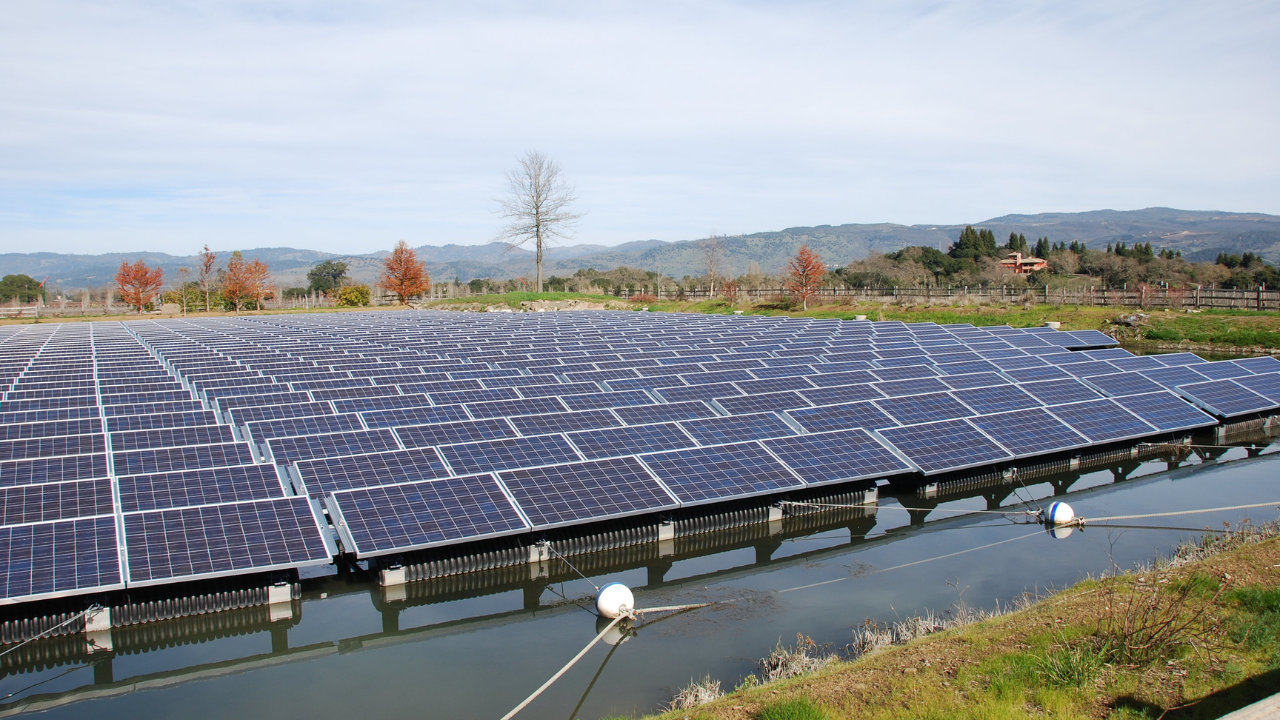

Solar grazing has emerged as a transformative agricultural practice, proving that renewable energy and traditional farming can coexist to create unprecedented economic opportunities. When young agricultural entrepreneurs look for innovative ways to enter the industry, solar grazing provides a viable path forward without requiring massive capital investments in land ownership. Across the American South, an increasing number of livestock producers are discovering how pairing small ruminants with photovoltaic infrastructure solves critical vegetation management challenges for energy corporations while securing sustainable income streams for local growers.
Table of Contents
The Rise of Solar Grazing
The convergence of renewable energy expansion and livestock husbandry represents a modern agricultural evolution. As utility-scale solar installations expand rapidly, energy companies face ongoing maintenance requirements to keep vegetation from shading the panels. Traditionally, this maintenance involved heavy machinery and chemical herbicides, both of which carry high financial costs and environmental risks. Introducing sheep beneath these solar arrays has revolutionized how the industry approaches vegetation management.
Solar grazing utilizes targeted animal behavior to naturally control grass and weed growth. Sheep are uniquely suited for this environment because they remain low to the ground, rarely damage electrical infrastructure, and naturally seek shade under the panels during hot weather. This synergy transforms industrial energy sites into productive agricultural pastures.
From Diesel Wrench to Pasture Management
Transitioning from a traditional career to full-time agriculture is notoriously difficult due to soaring land prices. However, creative models are changing the landscape. For instance, a 27-year-old diesel mechanic from Tennessee successfully transitioned into full-time farming by leveraging solar sites. Facing the high cost of purchasing farmland, he secured grazing contracts across more than 400 acres of photovoltaic installations.
By utilizing these non-traditional pastures, he expanded his flock to over 300 ewes without the crushing debt of acquiring real estate. His journey highlights how modern agricultural entrepreneurs can bypass historical barriers to entry by partnering with the renewable energy sector. Instead of turning wrenches in a shop, he now manages rotational grazing schedules, monitors animal health, and builds a scalable livestock business.
Economic Advantages for New Farmers
Starting a livestock enterprise typically demands substantial capital for pasture acquisition. Solar grazing drastically reduces this financial hurdle. Key economic benefits include:
- Zero Land Purchase Costs: Farmers utilize land already owned and managed by energy corporations.
- Dual Revenue Streams: Producers earn service fees from solar operators for vegetation maintenance while simultaneously selling lamb, wool, or breeding stock.
- Lower Overhead: Fencing and water infrastructure are often optimized or coordinated in partnership with site developers.

How Solar Grazing Benefits All Parties
The success of this practice relies on mutual benefit. Energy companies enjoy significant operational savings compared to traditional mechanical mowing. Sheep can reach areas that mowers cannot, such as directly beneath and around mounting brackets, reducing the risk of physical damage to wiring and panels.
Furthermore, grazing sheep promote soil health. Their manure acts as a natural fertilizer, enhancing microbial activity and carbon sequestration in the soil beneath the arrays. This creates a regenerative loop that improves overall land stewardship.
Challenges and Best Practices
Despite its vast potential, managing livestock on industrial sites requires specialized knowledge. Farmers must coordinate closely with energy operators regarding security protocols, chemical application schedules, and maintenance windows. Biosecurity and continuous water access are paramount, as modern solar sites are not always originally designed with livestock in mind.
Successful solar grazers emphasize meticulous planning, strong communication with energy facility managers, and robust animal husbandry skills to ensure the safety and productivity of both the flock and the power plant.
Conclusion
Solar grazing demonstrates how innovative economic partnerships can revitalize rural communities and lower barriers for aspiring agriculturalists. By turning industrial clean energy sites into active pastures, producers like the Tennessee mechanic are charting a resilient, profitable future for modern farming.