

Table of Contents
Introduction
Cannabis farm operations in unexpected urban locations have become an increasing challenge for law enforcement agencies across the United Kingdom. Recently, law enforcement authorities dismantled a massive illegal cultivation site situated right in the heart of a town center. Tackling these sophisticated setups requires extensive investigative work and community intelligence. This comprehensive report explores the details of the Slough raid, the individuals involved, and the broader context of urban drug manufacturing.

The Discovery in Slough
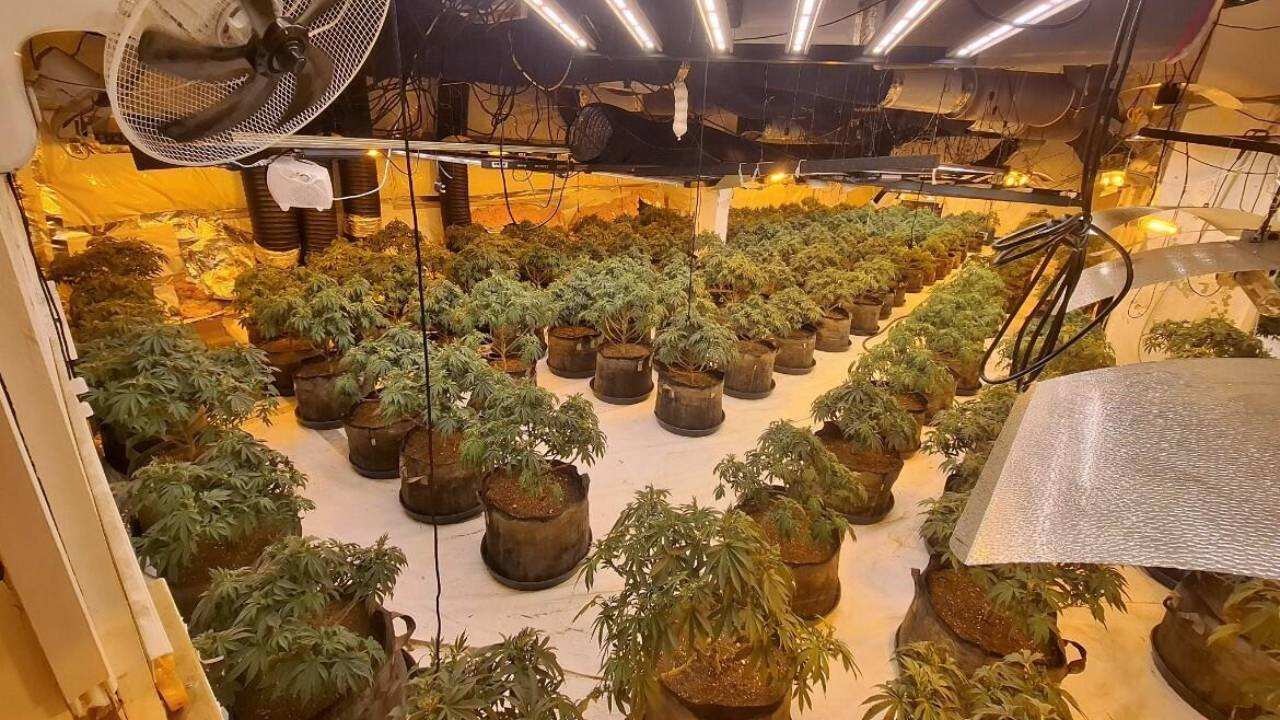
Thames Valley Police uncovered a massive illegal growing operation hidden inside a disused BHS department store in Slough. Abandoned high street retail spaces frequently attract criminal enterprises due to their large square footage, hidden layouts, and limited foot traffic. Officers executing a targeted warrant found more than 1,700 mature plants spread across two separate floors of the vacant commercial property.
Subsequent forensic and financial evaluations revealed the sheer scale of the enterprise. Authorities estimated the total street value of the recovered plants to be approximately £1.288 million, with a potential dried yield exceeding 150 kilograms. Such high-capacity setups demand sophisticated electrical bypassing, heavy-duty ventilation, and continuous monitoring to sustain plant growth without raising immediate suspicion from utility providers.
Operation Details and Scale
The layout of the former department store provided ample room for segmented growing zones. Investigators noted the following key statistics regarding the raid:
- Total plant count: Over 1,700 cannabis plants.
- Location: Two floors of an abandoned BHS store in Slough.
- Estimated street value: £1,288,000.
- Potential yield: 150.27 kilograms.
Legal Proceedings and Sentencing
Following the raid, the Crown Prosecution Service brought charges against the individuals apprehended at the scene. Two men admitted their guilt during court hearings, acknowledging their direct involvement in the cultivation and maintenance of the illegal crop. Sentencing proceedings took place shortly after the guilty pleas were formally recorded.
The presiding judge handed down a 14-month prison sentence to each defendant. While these individuals served crucial roles on the ground level of the operation, police investigations often continue to identify higher-level organizers and financial backers behind commercial-scale drug production networks.
Wider Implications and Urban Drug Operations
The transformation of vacant commercial spaces into industrial-scale drug factories highlights shifting trends in organized crime. As traditional retail landscapes change due to online shopping and economic shifts, empty town center properties present unique vulnerabilities. Local authorities and property owners face mounting pressure to secure disused buildings effectively.
Furthermore, large-scale cultivation sites pose significant safety risks to neighboring properties. Fire hazards resulting from illegal electrical meter bypasses, structural alterations, and excessive moisture can endanger surrounding communities. Police forces continue to rely heavily on public reporting to detect unusual activity in vacant commercial buildings.
Conclusion
The dismantling of the illegal cultivation site in Slough underscores the ongoing efforts of Thames Valley Police to combat organized drug supply networks. By removing over 1,700 plants from circulation, authorities have disrupted a multimillion-pound criminal enterprise. Continued vigilance, community reporting, and proactive policing remain essential in preventing abandoned high street properties from being exploited for illicit activities.