

Table of Contents
Introduction
Navigating the complex immigration landscape of the United States can be stressful, especially when family members visit from abroad. Recently, a non-resident Indian (NRI) shared a startling experience online regarding a US tourist visa limit enforced at the port of entry. Although the parents intended to stay for five months to visit their children, a Customs and Border Protection (CBP) officer granted a stay of only two months. The primary reason behind this restriction was the father’s active employment in India, which raised questions about their intent to return.
This incident highlights a common misconception among travelers holding valid B2 tourist visas. Many believe that holding a visa guarantees a standard six-month stay. However, the final decision always rests with the immigration officer at the border. In this article, we explore the nuances of US entry rules, CBP discretionary powers, and how families can better prepare for future visits.
Understanding US B2 Tourist Visas
The B2 tourist visa is a non-immigrant visa designed for individuals wishing to enter the United States temporarily for tourism, pleasure, or visiting family and friends. While the visa stamp in a passport might be valid for up to ten years, it only allows the traveler to travel to a US port of entry. It does not guarantee admission or determine the length of the stay.
The Difference Between Visa Validity and Authorized Stay
Many travelers confuse visa expiration dates with the authorized duration of a single visit. When an individual arrives at an airport or land border, a CBP officer inspects their documents and determines how long they can legally remain in the country. This information is recorded on Form I-94, the arrival/departure record.
- Visa Stamp: Determines the timeframe during which you can travel to a US port of entry.
- Form I-94: Determines the exact date by which you must depart the United States.
The Role of CBP Officer Discretion
Customs and Border Protection officers possess wide discretionary authority at ports of entry. During the inspection process, officers evaluate the traveler’s purpose of visit, financial capability, and ties to their home country. If an officer suspects that a visitor intends to live in the US semi-permanently or work illegally, they have the legal right to shorten the authorized stay.

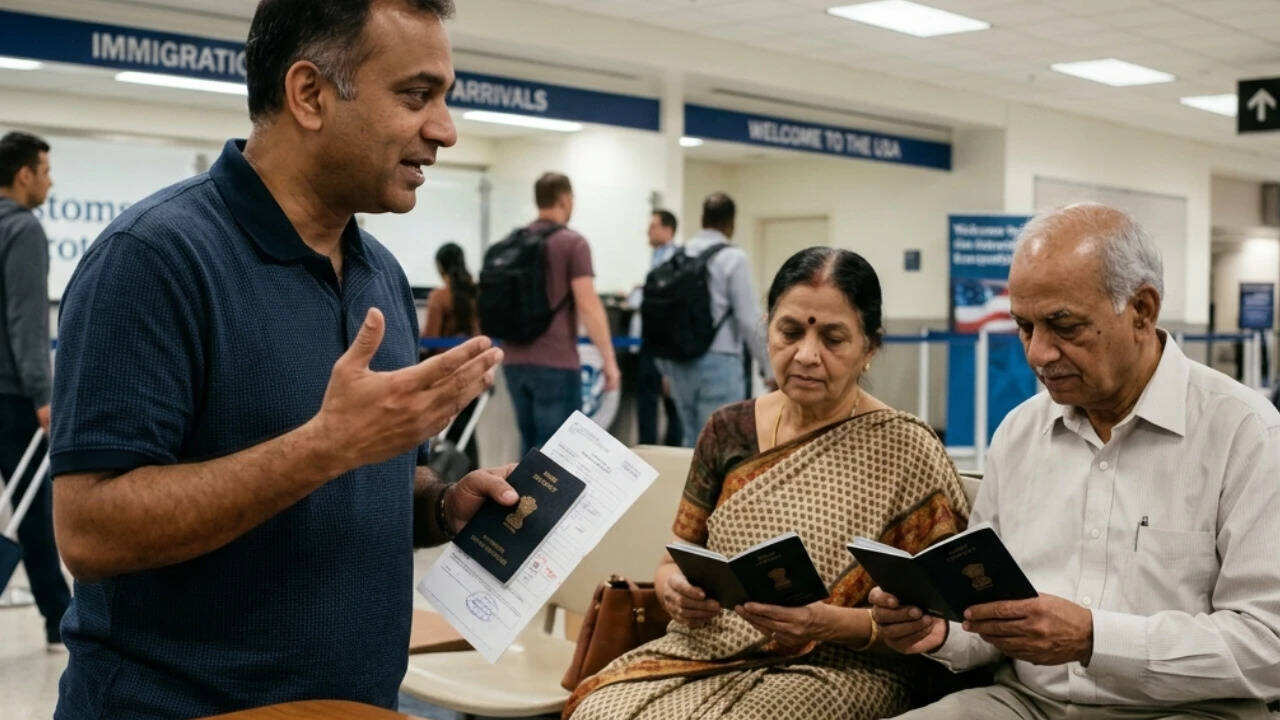
CBP officers evaluate entry intentions at US ports of entry.
Why Employment in the Home Country Led to a Shortened Stay
In the recently reported incident, the father’s ongoing employment in India became a pivotal factor. While having a job usually demonstrates strong economic ties, the officer viewed the situation differently. The official likely reasoned that taking a five-month leave from a job is unusual and might indicate that the visitor does not strictly need to return home immediately, or worse, that they might attempt remote work while in the US.
Why Ties to the Home Country Matter
Under US immigration law, B2 visa holders are presumed to be intending immigrants until they prove otherwise. To overcome this presumption, travelers must demonstrate compelling ties to their home country that compel them to return.
Key Indicators of Strong Ties
- Continuous employment or business ownership.
- Property ownership or long-term lease agreements.
- Immediate family members remaining in the home country.
- Community or social commitments.
Expert Advice and Best Practices for NRI Families
Immigration attorneys and experienced NRIs offer several recommendations to avoid similar entry complications. Proper planning and transparent documentation can make a significant difference during border questioning.
Actionable Steps for Visitors
- Prepare a Clear Itinerary: Have a detailed plan showing activities, return flight tickets, and realistic travel dates.
- Limit Initial Stay Durations: Planning shorter visits (such as 4 to 8 weeks) often raises fewer red flags than requesting the maximum six-month stay.
- Carry Employment Proof: Bring official leave sanction letters from employers explicitly stating the exact dates of approved leave and expected resumption of work.
Conclusion
The experience of this NRI family serves as a valuable reminder that US entry regulations are strict and subject to individual officer interpretation. Understanding the limits of a US tourist visa ensures that families can plan realistic visits without facing unexpected shortening of their stay. By maintaining clear documentation and demonstrating strong ties to the home country, travelers can navigate inspections smoothly and enjoy peaceful family reunions.