

Table of Contents
- Introduction
- Background of Seva Sankalp
- Key Objectives and Initiatives
- Role of Administration and Public Participation
- Conclusion
Introduction
The Seva Sankalp campaign is set to launch a month-long series of developmental and welfare activities across the picturesque northern state of India, spearheaded by Chief Minister Pushkar Singh Dhami. Designed to foster community welfare, administrative accountability, and grassroots development, this ambitious initiative begins on September 17. State officials, local bodies, and citizens are expected to collaborate closely to ensure that public service delivery reaches the remotest corners of the Himalayan region.

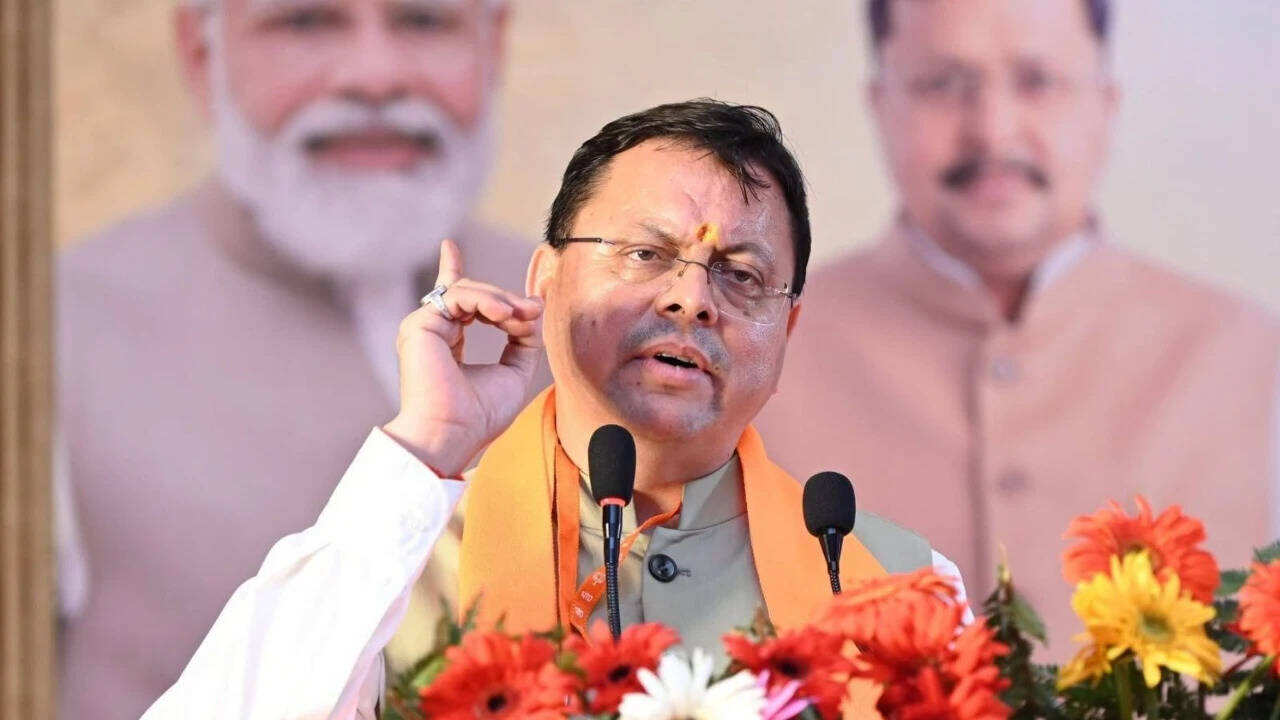
Chief Minister Pushkar Singh Dhami reviews administrative preparedness for the upcoming public welfare drive.
Background of Seva Sankalp
Over recent years, governance models in Himalayan states have increasingly emphasized direct outreach to bridge the gap between citizens and the bureaucracy. The inception of the Seva Sankalp program builds upon previous administrative milestones aimed at transparency, rapid grievance redressal, and infrastructure enhancement. Understanding the unique geographical challenges of the region, the state administration tailors these periodic drives to address both immediate civic needs and long-term economic sustainability.
Historically, campaigns of this magnitude serve as a stock-taking exercise for ongoing central and state welfare schemes. By establishing direct contact camps and leveraging digital monitoring tools, the government seeks to eliminate bottlenecks in scheme implementation. Stakeholders across various departments coordinate efforts to ensure that marginalized communities receive priority attention during the month-long observance.
Administrative Framework
To execute the agenda effectively, a decentralized framework is established across all districts:
- District magistrates coordinate local level execution plans.
- Nodal officers are appointed for specific developmental sectors.
- Weekly progress reports are submitted directly to the Chief Minister’s office.
- Public grievances are logged and tracked via specialized digital portals.
Key Objectives and Initiatives
The core focus of the Seva Sankalp drive encompasses multiple sectors crucial for holistic regional growth. From healthcare access to environmental conservation, the program touches upon diverse aspects of daily life for residents in the hill state.
Health and Sanitation Drives
Health camps and cleanliness awareness programs form a major pillar of the initiative. Mobile medical units are deployed to high-altitude and remote hamlets to provide routine check-ups, distribute essential medicines, and raise awareness regarding preventive healthcare practices. Concurrently, cleanliness drives focus on tourist hotspots, riverbanks, and municipal areas to promote environmental stewardship.
Infrastructure and Grievance Redressal
Addressing pending infrastructural bottlenecks remains a priority. Special camps are organized to resolve land revenue disputes, issue essential certificates, and fast-track pending approvals for rural development projects. Citizens can interact directly with decision-makers to voice local concerns.

Local residents participating in a public grievance redressal session.
Role of Administration and Public Participation
Success relies heavily on active community involvement paired with proactive bureaucratic responsiveness. Chief Minister Dhami has repeatedly emphasized that governance must transform into an active service rather than a passive administrative function. Youth groups, mahila mangal dals, and voluntary organizations are encouraged to spearhead local events, plantation drives, and educational workshops throughout the month.
Impact on Local Communities
By empowering local leaders and ensuring transparent resource allocation, the initiative aims to boost confidence in public institutions. Direct interactions minimize bureaucratic red tape, allowing timely interventions where needed most.
Conclusion
The launch of the month-long Seva Sankalp initiative marks a significant step toward accountable and responsive governance in the region. By combining rigorous administrative oversight with enthusiastic public participation, the state government aims to address persistent challenges while accelerating developmental momentum. As the campaign unfolds, its success will depend on sustained cooperation between citizens and state machinery, ultimately setting a benchmark for future public welfare endeavors.