

Table of Contents
- Introduction to the Devil’s Arrows
- Solving a Geological Mystery
- The Incredible Transportation Feat
- Discovering the Missing Stone
- Conclusion
Introduction to the Devil’s Arrows
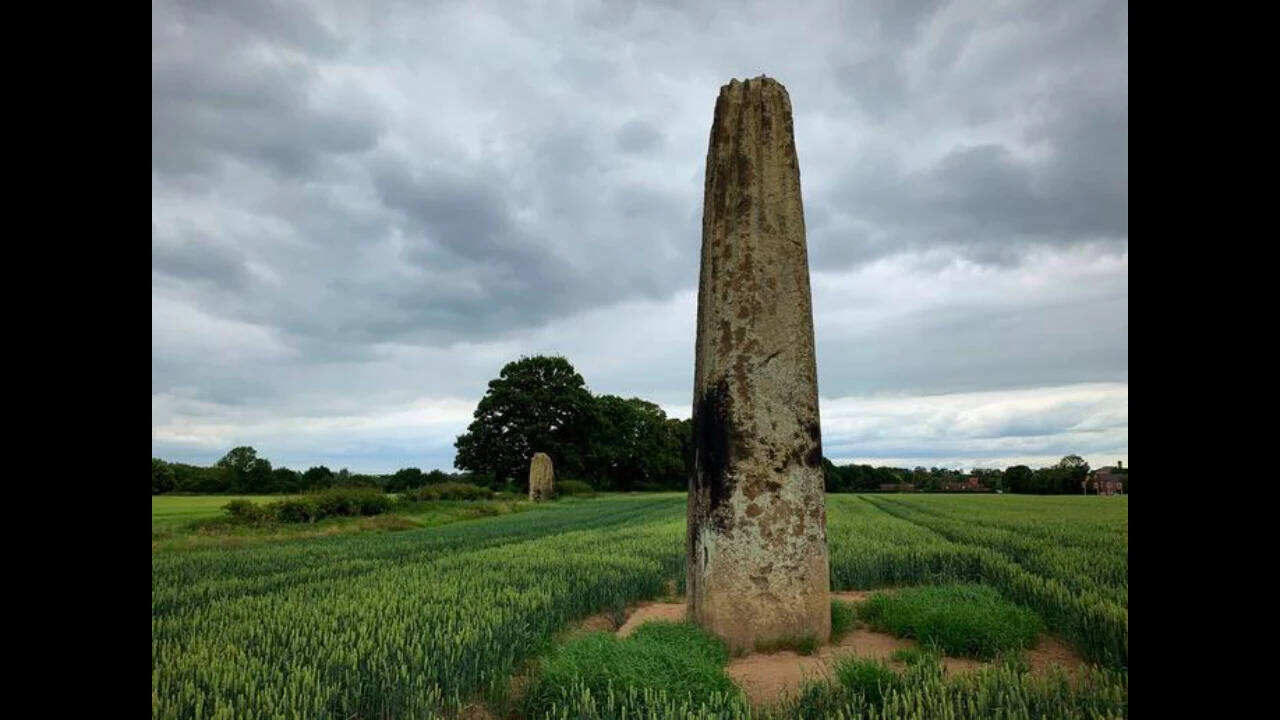
The Devil’s Arrows stand as Britain’s tallest surviving prehistoric stone row, captivating historians, archaeologists, and curious travelers for generations. Located near Boroughbridge in North Yorkshire, England, these massive sandstone pillars have long been a subject of intense academic study and local folklore. Recent scientific investigations have finally unlocked secrets that were buried for millennia, shedding light on the immense effort expended by ancient communities.
Solving a Geological Mystery
Uncovering the True Origins of the Megaliths
For decades, researchers debated the exact provenance of the stones comprising the monument. Traditional hypotheses suggested that ancient builders might have utilized nearby glacial erratic deposits, rocks that were naturally moved and left behind by retreating ice sheets during the last ice age. However, advanced geological analysis has conclusively disproven this theory.
Geologists and archaeologists examined the mineral composition and structural characteristics of the sandstone monoliths. The results revealed a definitive match with the rock formations found at Brimham Rocks. This discovery means that the prehistoric engineers did not rely on convenient local debris; instead, they deliberately sourced their building materials from a specific location further afield.
The Incredible Transportation Feat
Hauling 25-Ton Blocks Across Northern England
Transporting massive blocks weighing upwards of 25 tonnes across a distance of approximately 11 miles (18 kilometers) represents a monumental engineering challenge. Without the aid of modern machinery, wheeled vehicles, or draft animals suited for heavy loads, Neolithic builders had to rely on sheer human ingenuity, communal labor, and primitive wooden rollers, sledges, and levers.

The terrain between Brimham Rocks and the final site of the Devil’s Arrows features varying elevations, valleys, and dense woodland. Navigating such a landscape with multi-tonne megaliths demonstrates a high level of social organization, planning, and architectural ambition among Neolithic societies in northern England. Anthropologists believe that this massive undertaking was likely a communal effort that brought together multiple settlements for a shared ritual purpose.
Comparison with Stonehenge
While Stonehenge is universally famous for its distant bluestone transport from the Preseli Hills in Wales, the logistical feat accomplished by the builders of the Devil’s Arrows is equally impressive in its own right. Moving stones of this magnitude highlights the sophisticated capabilities of prehistoric Britons.
- Monument type: Prehistoric stone row
- Material: Plumpton Rocks sandstone
- Distance transported: 11 miles
- Estimated weight: Up to 25 tonnes per stone
Discovering the Missing Stone
The Aldborough Village Connection
Adding a fascinating new chapter to the monument’s history, researchers have successfully traced a previously unaccounted-for component of the complex. A historic stone used in a medieval cross located in the nearby village of Aldborough shares the exact same geological signature as the Devil’s Arrows.
This finding confirms long-standing local folklore suggesting that the original monument was once much larger than the three standing stones visible today. Over the centuries, individual megaliths were repurposed by later generations for construction projects, bridges, or boundary markers, a common fate for ancient stone monuments throughout Europe.
Conclusion
The recent findings regarding the Devil’s Arrows offer a profound glimpse into the lives, capabilities, and social structures of Neolithic people in Britain. By hauling colossal 25-tonne stones over rugged terrain, these ancient builders demonstrated a remarkable dedication to their cultural and spiritual practices. As ongoing research continues to unveil new details, these towering monoliths remain enduring symbols of human perseverance and prehistoric engineering excellence.