
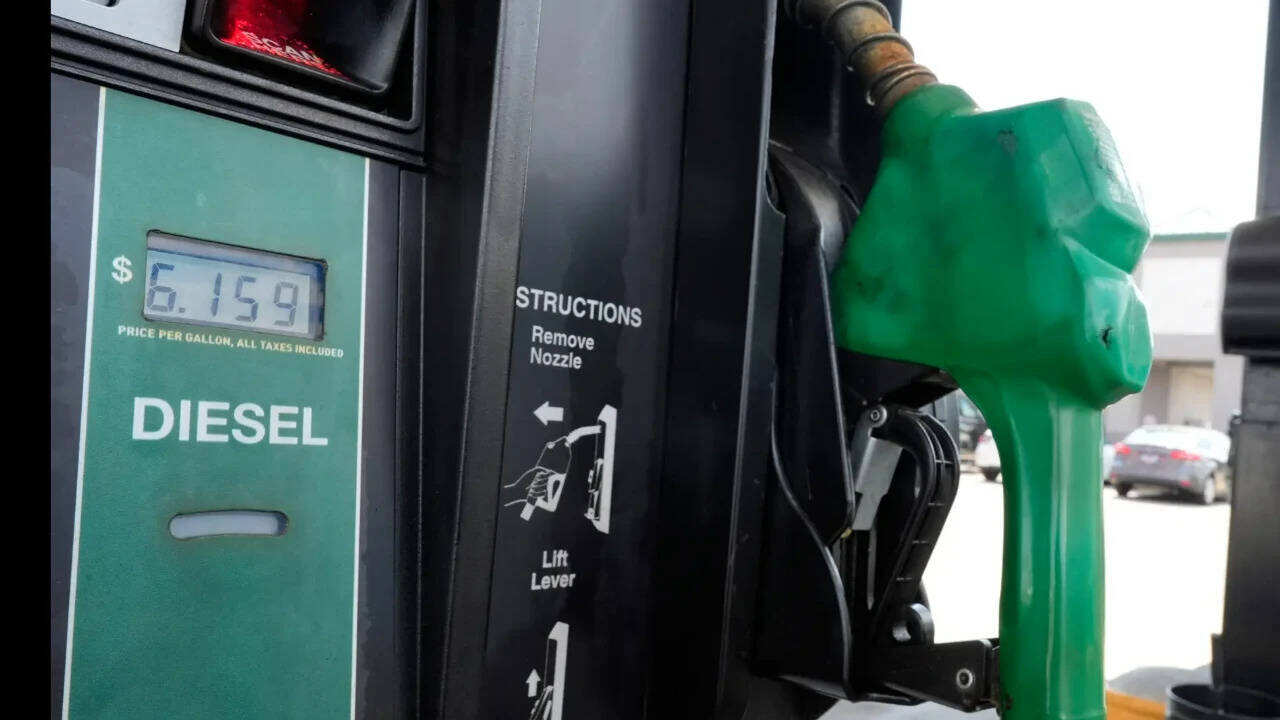

When discussing US diesel prices at record $6, it becomes immediately clear that the American agricultural sector is facing an unprecedented financial hurdle. As the critical harvest season swings into full gear, agricultural producers nationwide find themselves confronting fuel expenses that have effectively doubled compared to previous years. This extraordinary surge in operational costs threatens not only individual farm profitability but also the broader stability of the national food supply chain. In this comprehensive guide, we examine the underlying economic drivers, the direct consequences for crop harvesting and logistics, and the strategies producers are employing to survive this challenging economic landscape.
Table of Contents
Understanding the US Diesel Prices at Record $6 Crisis
The escalation of fuel costs to unprecedented levels did not happen overnight. Multiple macroeconomic factors, including global crude supply constraints, geopolitical tensions, and shifting refinery capacities, have converged to push fuel expenses sky-high. For the agricultural community, diesel is not merely a convenience; it is the lifeblood of modern farming operations.
Every phase of modern crop production relies heavily on petroleum products. From tilling and planting to mid-season maintenance and final harvesting, heavy machinery demands a constant, reliable energy source. When the cost of that energy doubles, farm balance sheets experience immediate and severe strain.
Economic Pressures on Producers
Operating margins in agriculture are notoriously thin. Producers operate as price-takers in global commodity markets, meaning they cannot simply pass high input costs directly onto consumers without risking severe drops in demand. Consequently, when diesel reaches historic highs, the financial burden rests squarely on the shoulders of the grower.
Impact on Harvest Operations and Equipment
As fields ready themselves for the collection of vital commodities like corn and soybeans, the timing of operations is everything. Delaying harvest can lead to crop degradation, pest damage, and weather-related losses. However, running fleets of massive combine harvesters, tractors, and transport trucks at current fuel rates requires immense capital.

Modern agricultural machinery demands vast amounts of fuel, making high diesel prices a severe operational threat.
Many producers are carefully calculating whether the market value of their harvested crops will even cover the immediate fuel bills required to gather them. This harrowing economic calculus has introduced a paralyzing hesitation into the agricultural heartland.
Equipment Efficiency and Conservation
To mitigate these intense pressures, operators are turning to advanced precision agriculture tools. Technologies such as GPS-guided auto-steer systems, optimized field routing, and telemetry monitoring help minimize unnecessary idling and overlapping passes, squeezing every possible ounce of efficiency out of every gallon consumed.
Logistics and Supply Chain Disruptions
The burden does not stop at the edge of the field. Once crops are gathered, they must be transported to grain elevators, processing plants, and export terminals. The trucking and freight sectors are similarly vulnerable to expensive diesel.
- Higher freight rates charged by commercial carriers.
- Increased competition for localized transport capacity.
- Bottlenecks at regional distribution hubs as logistics companies manage cash flow.
These transportation hurdles create a cascading effect throughout the economy, ultimately influencing food processing costs and grocery store shelves nationwide.
Strategies for Agricultural Producers
Facing such stark economic headwinds, agricultural businesses are actively exploring short-term and long-term remedies to safeguard their enterprises.
Short-Term Tactics
Many growers are opting to temporarily store harvested crops in on-farm bins rather than hauling them immediately to market. By delaying transport, they hope that fuel markets might stabilize or cool down in the coming months.
Long-Term Investments
Looking ahead, the crisis is accelerating interest in alternative energy sources, including biodiesel blends, electric farm utility vehicles, and on-site solar generation to power grain drying facilities and farm headquarters.
Conclusion
The emergence of US diesel prices at record $6 marks a critical juncture for American agriculture. While the harvest season remains vital to national food security, the steep cost of fuel threatens profitability and operational efficiency across the board. By leveraging precision technology, optimizing logistics, and engaging in strategic grain marketing, producers continue to demonstrate remarkable resilience in the face of daunting economic adversity.