

Table of Contents
Introduction
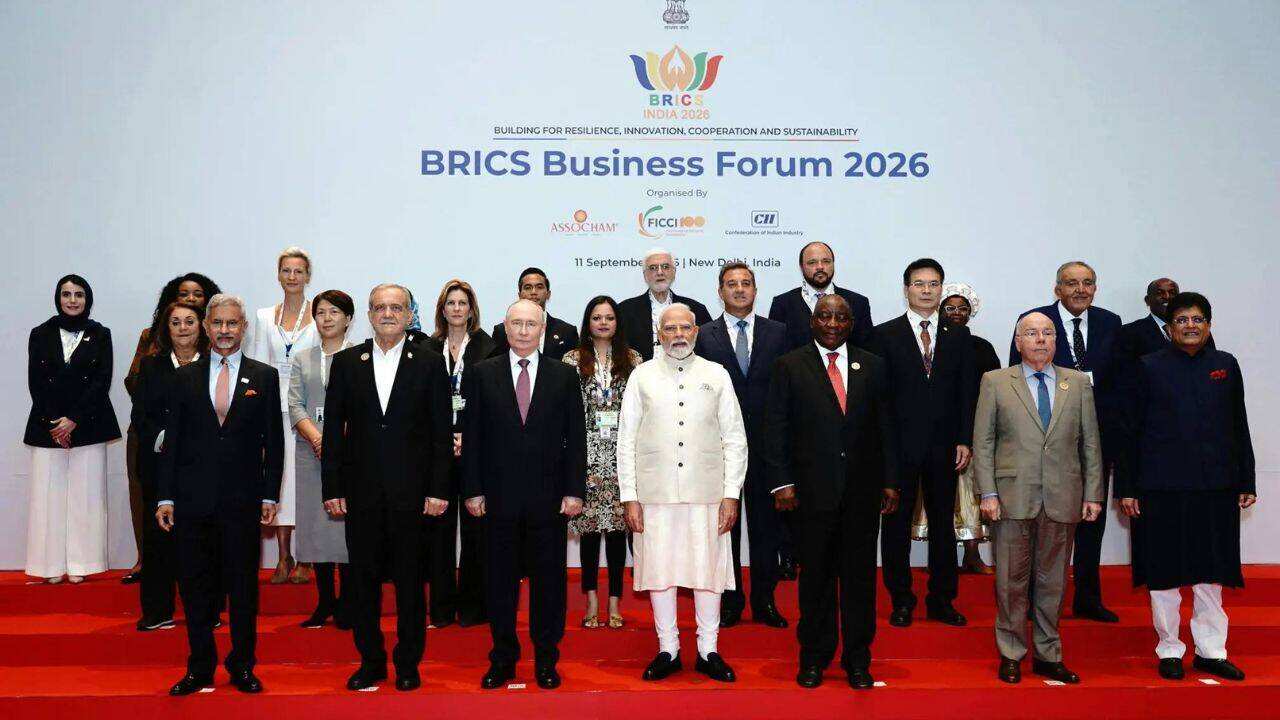
India Brics diplomacy has once again proven its exceptional capability on the global stage. Achieving consensus among fiercely competing geopolitical rivals is no small feat, yet Indian diplomatic teams recently orchestrated a masterclass in international negotiation. By steering marathon discussions deep into the morning hours, India successfully persuaded historical adversaries such as Iran, Saudi Arabia, and the United Arab Emirates to sign off on a unified Brics joint statement. This achievement highlights New Delhi’s growing clout as an indispensable bridge-builder in a deeply fractured multipolar world.

Indian diplomatic representatives orchestrating high-stakes negotiations during the summit.
The Complex Landscape of Brics Diplomacy
Over the past decade, the Brics bloc has expanded significantly, welcoming new and influential members from the Middle East. While this expansion brings immense economic potential, it also introduces complex geopolitical friction. Bringing traditional rivals into a single collaborative framework requires careful navigation of sensitive regional disputes, territorial tensions, and deep-seated political mistrust.
Shifting Regional Dynamics
The inclusion of countries like Iran, Saudi Arabia, and the UAE transformed the internal dynamics of the bloc. Managing relations between Tehran and Riyadh has historically demanded delicate third-party intervention. When these nations sit at the same multilateral table, finding common textual ground on international security, trade, and regional stability becomes a formidable challenge.
All-Night Negotiations: The Road to Consensus
Drafting a unified joint statement often involves painstaking negotiations over every single word and comma. During recent ministerial and official-level meetings, discussions reportedly stretched until 4 AM. Indian negotiators worked tirelessly behind closed doors, acting as honest brokers to iron out contentious paragraphs that threatened to derail the entire summit.

Delegates burning the midnight oil to finalize the joint communique text.
Patience and Persistence as Strategic Tools
The grueling hours spent in conference rooms demonstrate the sheer persistence required in modern statecraft. By refusing to let deadlock stall the process, the Indian delegation maintained open communication channels, ensuring that every participating nation felt heard while pushing toward a mutually acceptable consensus text.
Bridging the Divide Between Iran, Saudi Arabia, and the UAE
The core success of this diplomatic endeavor lay in balancing divergent national interests. Iran, Saudi Arabia, and the UAE hold vastly different strategic visions for the Middle East and global trade. India Brics diplomacy succeeded by focusing on shared economic ambitions and mutual development goals rather than contentious political flashpoints.
Key Compromises Reached
- Focusing on multilateral economic cooperation and supply chain resilience.
- Drafting carefully worded clauses on regional security that avoided direct confrontation.
- Leveraging trusted bilateral ties between New Delhi and each respective Middle Eastern capital.

The plenary hall where historic compromises were finally formalized.
Conclusion
The ability to secure a unified joint statement after talks extending until dawn is a testament to the efficacy of India Brics diplomacy. By successfully aligning the interests of regional rivals like Iran, Saudi Arabia, and the UAE, India has reinforced its reputation as a pragmatic, neutral, and highly effective diplomatic force in international affairs.