
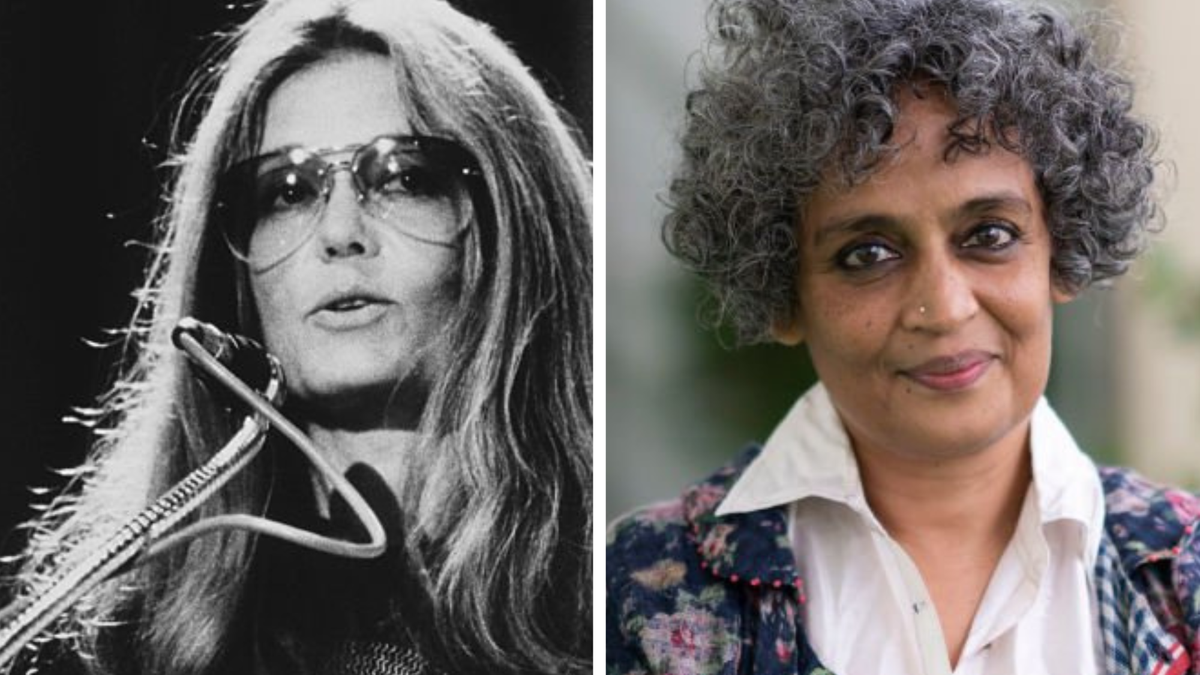

Feminism and eyebrows often intersect in unexpected ways, sparking intense debates about personal choice versus societal expectations, especially within the context of modern Indian society. The recent reflections following the passing of iconic feminist leader Gloria Steinem have prompted a renewed global and regional conversation about what it truly means to look like a feminist. In a world saturated with rigid aesthetic guidelines, the simple act of shaping one’s eyebrows becomes a profound political and personal statement.
Table of Contents
The Legacy of Gloria Steinem and Modern Feminism
Gloria Steinem famously shattered stereotypes about how a feminist should look and act. During the height of second-wave feminism, Steinem embraced her femininity, wore aviator glasses, and maintained her signature blonde-streaked hair, proving that intellect and activism do not require women to abandon conventional style. Her enduring legacy encourages contemporary women to reject the false dichotomy that pits physical grooming against political consciousness.
However, decades after Steinem burst onto the public stage, women worldwide—and particularly in South Asia—still grapple with the exhausting burden of perfection. Society constantly monitors women’s bodies, hair, makeup, and clothing choices, often using these superficial metrics to judge their professional competence and moral character.
Challenging the Monolithic View of Feminism
Many critics historically harbored a monolithic view of feminists as women who entirely rejected makeup, shaving, and hairstyling. This stereotype has caused immense harm, alienating countless individuals who support gender equality but enjoy traditional markers of femininity. Embracing a diverse spectrum of feminist expressions allows for greater inclusivity and a more accurate reflection of womanhood today.
The Indian Context: Traditional Beauty Versus Individual Agency
Navigating feminism and eyebrows in India presents a unique set of cultural complexities. Indian society places an immense cultural premium on flawless grooming for women. From threading and waxing to elaborate skincare regimens, the pressure to conform to specific aesthetic ideals starts at a very young age.

In metropolitan and rural areas alike, a woman’s grooming habits are often scrutinized by family members, peers, and potential matrimonial matches. Unshaped eyebrows or unmanaged body hair can quickly draw unsolicited remarks, framing a woman’s natural state as a sign of neglect or rebellion.
The Micro-Politics of Facial Hair
Threading is a ubiquitous monthly ritual for millions of Indian women. While some view it as a relaxing form of self-care, others recognize it as a compulsory chore driven by patriarchal gaze. The core question remains: when a woman walks into a salon to shape her brows, is she acting out of free will, or is she submitting to an invisible societal mandate?
Can Feminists Have Shaped Eyebrows? Unpacking the Dilemma
The superficial interrogation of women’s appearances often plagues feminist movements. Critics frequently attempt to invalidate a woman’s activism by pointing out her manicure, heels, or arched brows, implying that vanity cancels out political integrity. This puritanical approach to feminism is counterproductive and exclusionary.
True liberation means having the autonomy to choose one’s appearance without fear of moral judgment. If a woman wants to rock bold, thick brows, she should be celebrated. If another prefers clean, meticulously threaded arches, her choice deserves equal respect.
- Personal autonomy is the cornerstone of modern feminist thought.
- Grooming choices should not serve as a litmus test for political dedication.
- Rejecting the patriarchal gaze involves freeing oneself from both hyper-conformity and forced rebellion.
The Role of Media and Consumerism in Shaping Desires
The beauty industry thrives on insecurity. By manufacturing new flaws and offering expensive solutions, consumer capitalism successfully convinces women that their natural features require constant correction. Advertisements frequently weaponize beauty standards, promoting the idea that success and happiness depend on flawless physical presentation.
Navigating this landscape requires critical media literacy. Recognizing that beauty trends are socially constructed helps women reclaim their agency and redefine aesthetic standards on their own terms.
Conclusion
Ultimately, the ongoing dialogue surrounding feminism and eyebrows highlights the intricate balance between societal conditioning and individual freedom. Honoring trailblazers like Gloria Steinem means continuing to dismantle oppressive norms while granting women the grace to exist comfortably in their own skin—however they choose to style it.