

Table of Contents
Introduction: The Spirit of Celia Hunter
Celia Hunter remains one of the most influential figures in American conservation history. When people think of the modern environmental movement, titans like John Muir often come to mind, but the rigorous defense of northern ecosystems owes an immense debt to resilient women like Celia Hunter. Beginning with a daring flight north in the late 1940s, her remarkable life reshaped how humanity interacts with untouched nature. Celia Hunter championed the preservation of pristine public lands for decades, proving that unwavering dedication can alter the destiny of millions of acres.
Understanding her journey offers critical context into how modern environmental protections were forged. From piloting surplus military aircraft across rugged terrain to drafting legislative policies in remote cabins, her narrative embodies true pioneering spirit.
Flying to the Last Frontier in 1947
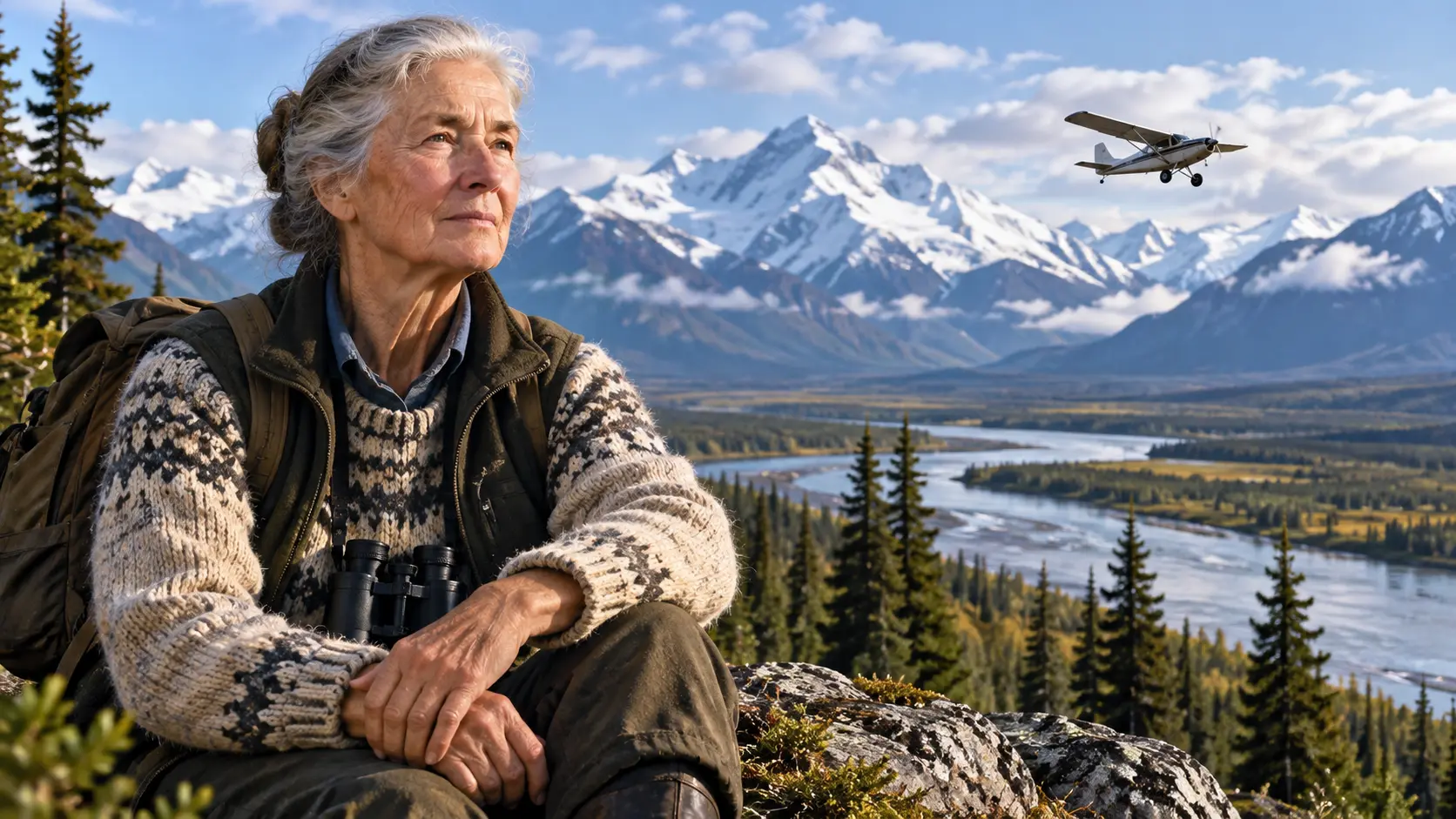
In 1947, traversing the North American continent was vastly different than it is today. Aviation was still raw, and navigating remote territories demanded exceptional courage. Celia Hunter, alongside her lifelong friend and fellow World War II Women Airforce Service Pilot (WASP) Ginny Hill Wood, bought a war-surplus Boeing PT-17 Stearman biplane. They embarked on an extraordinary journey from Washington state up to Alaska.
This daring flight served as the catalyst for her deep connection to the northern landscape. Instead of returning to the lower forty-eight states after their expedition, both women decided to stay. They recognized an authentic sense of freedom and a profound responsibility to protect the breathtaking expanses surrounding them.
The Transition to Homesteading
Transitioning from military aviation to frontier survival required resilience. The duo embraced rustic living, working various odd jobs to fund their exploration of the territory. Their arrival marked the beginning of a profound environmental stewardship that would span more than half a century.
Building a Wilderness Life Near Denali
Settling near the foot of Denali, Celia Hunter and Ginny Hill Wood constructed a life deeply intertwined with the rhythms of nature. They established one of the earliest backcountry tourist camps in the region, known as Camp Denali, which aimed to educate visitors on the intrinsic value of undisturbed ecosystems.
Living off the grid provided Hunter with a firsthand appreciation of wildlife habitats, seasonal migrations, and ecological balance. Every day presented unique challenges, from sub-zero temperatures to managing wildlife encounters, reinforcing her resolve to keep these wild domains free from industrial exploitation.
The Conservation Legacy and Protecting 100 Million Acres
As the territory of Alaska moved toward statehood, industrial pressures threatened its vast wild spaces. Recognizing the imminent danger, Celia Hunter co-founded the Alaska Conservation Society in 1960, the region’s very first citizen-based environmental organization. Through this platform, she mobilized local communities and national allies.
Her tireless advocacy eventually culminated in landmark legislative achievements, most notably the Alaska National Interest Lands Conservation Act (ANILCA) of 1980. Thanks to the relentless efforts of Hunter and her contemporaries, more than 100 million acres of Alaskan wilderness received federal protection.
- Co-founded the Alaska Conservation Society to unify local environmental voices.
- Served as the executive director of The Wilderness Society, breaking barriers for women in leadership.
- Fought successfully for the establishment of national parks and wildlife refuges.
Activism Until the Very End
True dedication knows no retirement age. Celia Hunter continued her environmental advocacy well into her later years. Even during her final days, she remained focused on protecting fragile ecosystems, famously spending her last evening drafting letters to political leaders to defend the Arctic National Wildlife Refuge.
Her passing marked the end of an era, but her legacy endures through every preserved valley, winding river, and protected tundra across the state. Modern conservationists frequently look to her methods for inspiration on how to combine grassroots organizing with persistent political pressure.
Conclusion
Celia Hunter transformed a personal love for the outdoors into a monumental legacy of environmental protection. From flying war-surplus aircraft into the northern frontier to championing the preservation of over 100 million acres, her life serves as an extraordinary testament to civic duty and passion. As current generations face new environmental challenges, the inspiring journey of Celia Hunter reminds us that ordinary individuals can indeed safeguard the planet for future descendants.