

Table of Contents
- Introduction
- India Bridges the Iran-UAE Chasm
- Protection of Nuclear and Civilian Infrastructure
- Unified Stance on Counter-Terrorism
- Push for United Nations Security Council Reforms
- Conclusion
Introduction
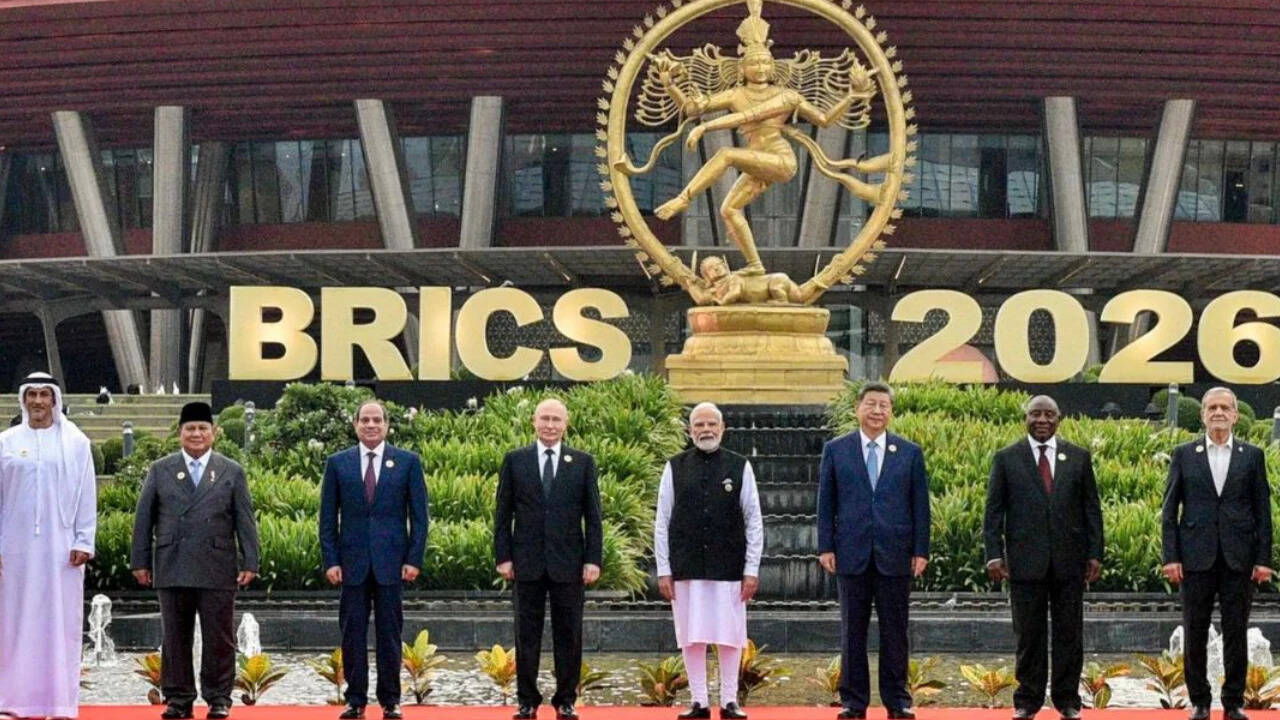
BRICS joint declaration efforts recently culminated in a successful agreement following intense diplomatic maneuvers. Amid complex geopolitical shifts, emerging economies continue to reshape international relations. The bloc successfully hammered out a comprehensive accord, demonstrating resilience despite internal and regional divergences. This milestone highlights the growing influence of non-Western multilateral platforms in global governance.

India Bridges the Iran-UAE Chasm
A major highlight of the recent summit involved intense late-night negotiations where India played a pivotal diplomatic role. By successfully bridging longstanding geopolitical divisions between Iran and the United Arab Emirates, New Delhi demonstrated its unique capability to foster consensus among diverse regional stakeholders.
The Role of Pragmatic Diplomacy
Navigating the complex Middle Eastern geopolitical landscape requires nuanced dialogue. India’s balanced foreign policy allowed it to act as an effective mediator, ensuring that competing interests did not derail the broader summit objectives.
- Engaging in back-channel talks with regional capitals.
- Aligning economic interests with security concerns.
- Prioritizing multilateral stability over bilateral grievances.

Protection of Nuclear and Civilian Infrastructure
Among the core tenets of the finalized communique is a robust commitment to safeguarding civilian and peaceful nuclear sites. Given ongoing regional tensions, member states emphasized that critical infrastructure must remain immune to military escalation.
Ensuring Global Energy Security
Safeguarding peaceful atomic facilities prevents catastrophic environmental and humanitarian crises. The bloc called for strict adherence to international protocols governing nuclear safety, reinforcing global confidence in peaceful atomic energy programs.
Unified Stance on Counter-Terrorism
Security cooperation remains a foundational pillar of the coalition. The participating leaders collectively reaffirmed their unwavering resolve to combat terrorism in all its manifestations and forms, rejecting double standards in counter-terrorism strategies.
Key Security Initiatives

Push for United Nations Security Council Reforms
To reflect contemporary geopolitical realities, the declaration strongly advocates for comprehensive structural reforms within the United Nations Security Council. Current architectures fail to represent the demographic and economic weight of the Global South.
Democratizing International Institutions
Expanding both permanent and non-permanent categories ensures that developing nations secure a legitimate voice in international peace and security matters. Without modernization, multilateral bodies risk losing institutional credibility.

Conclusion
The latest diplomatic milestone underscores the growing maturity of emerging economies in managing complex international disputes. Through deft mediation and collective resolve, the bloc continues to offer a viable alternative framework for international cooperation, paving the way for a more balanced multipolar world order.