

Table of Contents
- Introduction
- The Shift in Strategy
- Raghav Chadha’s Departure and Its Impact
- Kejriwal’s Vision for Future Candidates
- Internal Party Dynamics
- Conclusion
Introduction
Rajya Sabha strategy has recently taken center stage for the Aam Aadmi Party (AAP) following significant political shifts. As the party evaluates its parliamentary representation, leadership is recalibrating how it approaches national legislative appointments. Arvind Kejriwal has openly stated that the party must adopt a more rigorous and cautious vetting process for upcoming parliamentary vacancies to ensure absolute alignment with party goals and institutional integrity.

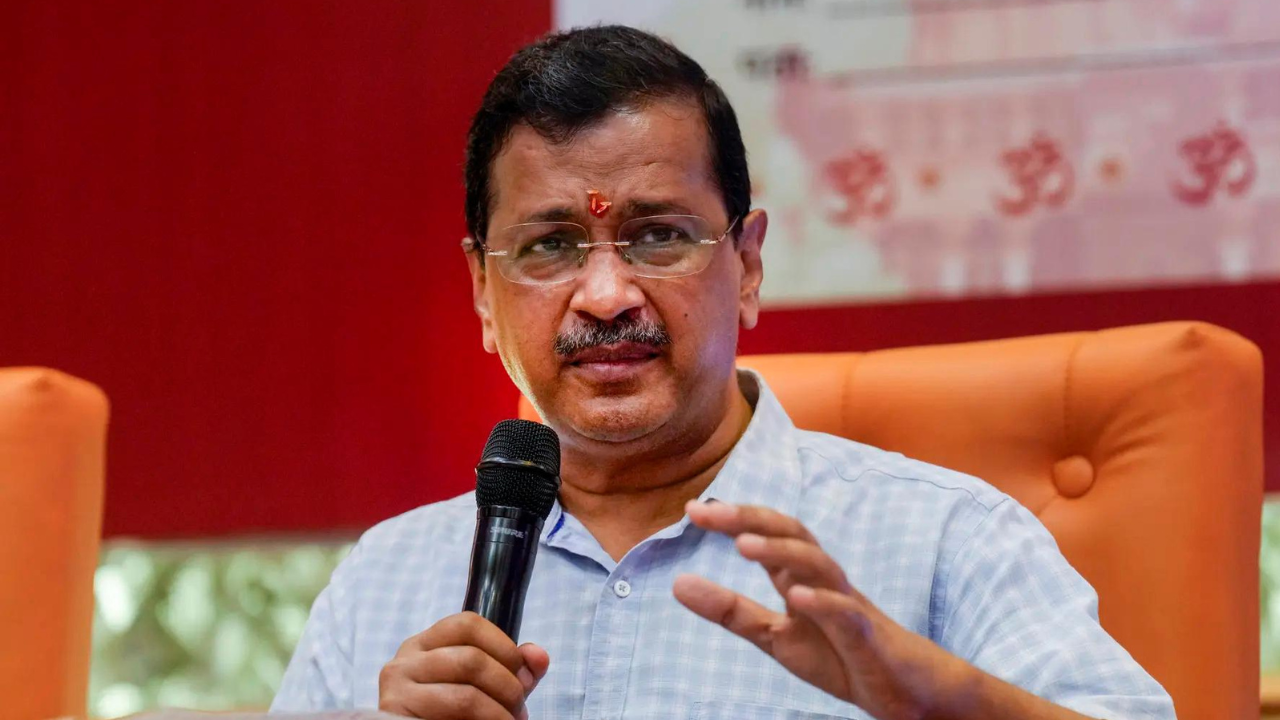
Political leaders discussing legislative strategies and parliamentary procedures.
The Shift in Strategy
Political parties continuously evolve their operational approaches to match national dynamics. For AAP, the necessity to refine its upper house appointments stems from a desire to maintain robust, effective advocacy at the federal level. Moving forward, the leadership aims to prioritize candidates who demonstrate unwavering commitment, deep policy understanding, and strong public connection.
- Enhanced background checks for nominees
- Stricter evaluation of policy expertise
- Greater emphasis on grassroots engagement
Raghav Chadha’s Departure and Its Impact
The recent departure of prominent leader Raghav Chadha from his active parliamentary role has triggered widespread discussions regarding political succession within the party. Such high-profile transitions invariably prompt organizational introspection. AAP is now examining how best to fill leadership gaps without losing momentum in parliamentary debates.
Kejriwal’s Vision for Future Candidates
Arvind Kejriwal emphasized that future choices for the upper house will be made with meticulous care. The leadership recognizes that parliamentary performance directly influences the party’s national footprint. Consequently, every potential nominee will face extensive evaluation regarding their legislative capability and dedication to public service.
Key Criteria for Nomination
To ensure optimal representation, AAP has outlined several non-negotiable standards for future contenders:
- Proven track record in public service or professional domains.
- Demonstrated capability in articulate parliamentary debate.
- Strong alignment with the party’s core ideology and anti-corruption stance.
Internal Party Dynamics
Adapting to these rigorous standards requires harmonious coordination among senior leadership and grassroots workers. Balancing loyalty with competency remains a delicate task for any growing political movement. As AAP scales its national operations, establishing a transparent and robust candidate selection framework will be crucial for sustained success.
Conclusion
Ultimately, the refinement of AAP’s upper house selection process marks a mature step in its political evolution. By prioritizing caution, competence, and ideological alignment, the party aims to strengthen its voice in national legislation. As political landscapes shift, these strategic adjustments will likely shape the party’s federal trajectory for years to come.