
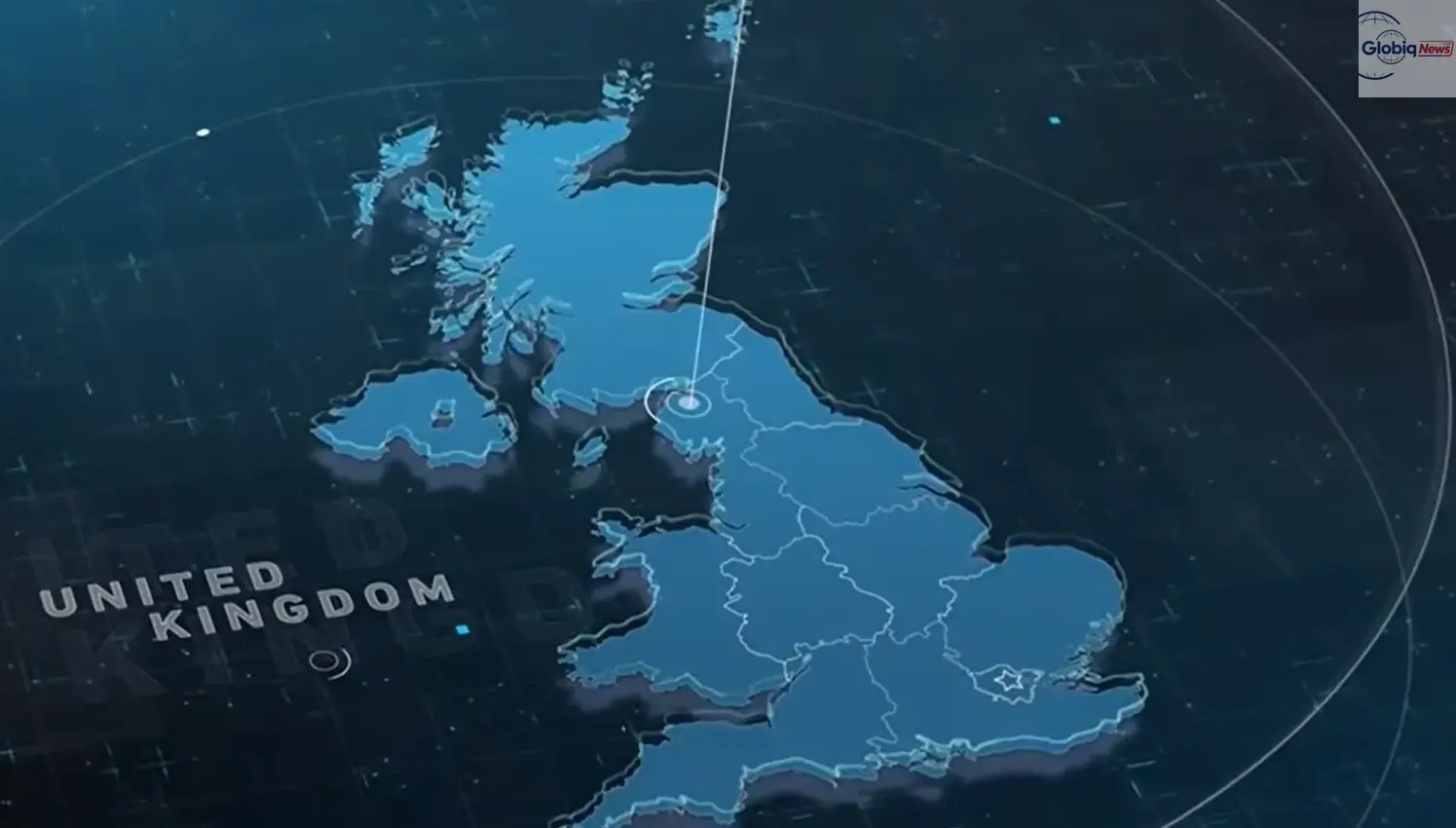

When discussing UK independence movements, political analysts often point to a complex mosaic of cultural identity, economic shifts, and constitutional friction. The United Kingdom has long prided itself on being a stable union of four distinct nations: England, Scotland, Wales, and Northern Ireland. However, recent years have witnessed a significant surge in nationalist sentiments and political maneuvers that challenge the longevity of this historic union. As pressures mount from Edinburgh, Cardiff, and Belfast, many are left wondering whether the UK is genuinely heading toward a historic breakup.
Table of Contents
Historical Context of the Union
Understanding the modern push for UK independence requires examining how the union was formed. England and Wales were legally integrated through the Laws in Wales Acts 1535 and 1542, while Scotland joined England in 1707 to create the Kingdom of Great Britain. Ireland was subsequently added in 1801, though the majority of Ireland seceded as the Irish Free State in 1922, leaving Northern Ireland within the United Kingdom.
For centuries, governance was heavily centralized in Westminster. Nevertheless, the late 20th century introduced devolution, creating separate parliaments and assemblies in Scotland, Wales, and Northern Ireland. While devolution was intended to satisfy regional desires for local governance, it inadvertently provided a political platform for independence movements to grow and mature.
Devolution as a Catalyst
Devolved powers allowed regional leaders to demonstrate alternative styles of governance, often contrasting sharply with the policies implemented by the central government in London. This administrative separation fostered a stronger sense of distinct regional identity, laying the groundwork for contemporary debates surrounding UK independence.
Scotland and the Quest for Self-Determination
The Scottish political landscape remains a central battleground for union dynamics.
Scotland has arguably presented the most structured and formidable challenge to the continuation of the United Kingdom. Following the 2014 referendum, where 55% of voters chose to remain in the UK, the political landscape north of the border has remained intensely focused on constitutional change. The Scottish National Party (SNP) has consistently maintained that a renewed mandate justifies a second referendum.
The calculus changed dramatically with Brexit. Scotland voted overwhelmingly to remain in the European Union in 2016, whereas the UK as a whole voted to leave. Pro-independence leaders frequently cite this divergence as a fundamental democratic disconnect, arguing that Scotland’s European ambitions are being thwarted by Westminster.
Wales and the Rise of Welsh Nationalism
While historically less vocal about breaking away compared to Scotland, Wales has recently experienced a notable cultural and political awakening. Plaid Cymru and various grassroots organizations have elevated the conversation regarding Welsh self-governance. Economic challenges, combined with dissatisfaction regarding public services and funding allocations, have propelled the idea of UK independence into mainstream Welsh discourse.
Polling in Wales traditionally showed lower support for total separation compared to Scotland or Northern Ireland. However, recent trends indicate a growing demographic—particularly among younger generations—that is open to reimagining Wales’s constitutional future outside the traditional British framework.
Northern Ireland, Brexit, and Unification Debates
Northern Ireland presents a uniquely complex challenge due to the legacy of the Troubles and the delicate balance maintained by the 1998 Good Friday Agreement. The introduction of post-Brexit trade arrangements, commonly known as the Northern Ireland Protocol, created a regulatory border in the Irish Sea between Great Britain and Northern Ireland, causing considerable political friction.
Sinn Féin and other nationalist parties view these developments through the lens of potential Irish reunification. A border poll, as provisioned by the Good Friday Agreement, remains a legal possibility if public sentiment shifts decisively in favor of joining the Republic of Ireland. Consequently, the future of the UK is tightly bound to diplomatic and economic negotiations concerning this region.
Economic and Political Implications
A potential breakup of the United Kingdom would carry profound economic and geopolitical consequences. Questions surrounding currency, national debt distribution, defense assets, and international treaties would require exhaustive negotiations. Furthermore, London’s standing on the global stage could be significantly diminished if its territorial integrity were compromised.
| Region | Primary Independence Driver | Current Political Stance |
|---|---|---|
| Scotland | EU membership divergence & self-governance | Active push for referendum |
| Wales | Cultural preservation & economic self-reliance | Growing nationalist movement |
| Northern Ireland | Post-Brexit trade protocols & unification goals | Debates over border poll criteria |
Conclusion
The debate surrounding UK independence is no longer a fringe political topic; it is a central challenge defining modern British politics. Whether through Scottish referendums, Welsh cultural shifts, or Northern Irish unification discussions, the pressures on the union are palpable. Navigating these complex constitutional waters will require immense political dexterity from Westminster and regional leaders alike as they determine the future shape of the British Isles.