

Table of Contents
Introduction
Fossilized dinosaur poop has long provided paleontologists with unique insights into ancient diets, but a recent groundbreaking discovery reveals something even more astonishing. A remarkably preserved 66-million-year-old feather encapsulated within prehistoric waste is shedding new light on an ancient mystery. Specifically, this tiny remnant of the past helps scientists understand how ancient avian species managed to endure the devastating asteroid impact that wiped out non-avian dinosaurs. By analyzing the structural characteristics of this preserved artifact, researchers are piecing together the survival strategies of early birds.
The Discovery of Fossilized Dinosaur Poop
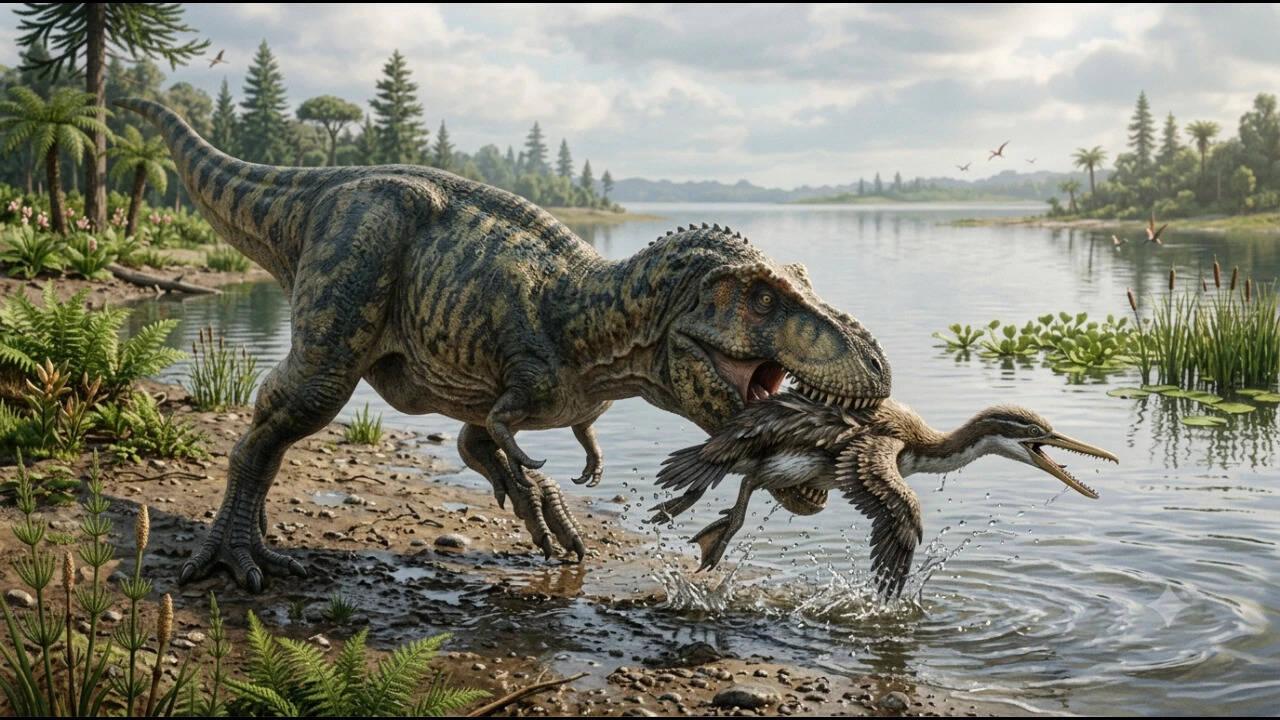
The unusual specimen, scientifically known as a coprolite, dates back to the very end of the Cretaceous period. Inside this ancient fossilized waste, researchers uncovered a fascinating micro-ecosystem of dietary remains. Alongside the primitive feather, the coprolite contained tiny fish scales and fragmented bird bones. This combination suggests that whatever consumed the feather had a varied diet, or that the coprolite itself formed in an environment where various organic remains accumulated before fossilization.
Paleontologists utilize advanced imaging techniques to examine these coprolites without destroying the delicate internal structures. Through non-invasive scanning, experts can identify the microscopic barbs and rachis of the feather, confirming its biological origin. Such discoveries are exceedingly rare because soft tissues like feathers typically decay long before the fossilization process can begin.
What is a Coprolite?
Coprolites are fossilized feces that provide direct evidence of the diet and behavior of ancient organisms. Unlike skeletal remains, which show what an animal looked like, coprolites reveal biological interactions in real-time. Finding delicate integumentary structures like feathers inside them is an extraordinary occurrence that requires very specific preservation conditions.
Feather Structure and Survival Mechanics
The structural analysis of the feather found inside the fossilized dinosaur poop reveals a primitive stage of avian evolution. Unlike the modern flight feathers of today’s birds, this ancient specimen exhibits characteristics associated with basic insulation and primitive thermal regulation. These features could have been the critical factor that allowed certain feathered lineages to withstand the harsh environmental aftermath of the asteroid strike.
When the massive asteroid struck the Yucatán Peninsula, it triggered global wildfires, massive tsunamis, and a prolonged ‘impact winter.’ During this dark and freezing period, global temperatures plummeted because sunlight was blocked by atmospheric debris. Primitive feathers provided essential insulation against the sudden cold, keeping surviving species warm while unfeathered reptiles succumbed to the elements.
- Provides vital thermal insulation against extreme cold.
- Aids in understanding ancient molting cycles.
- Distinguishes between flight capabilities and basic body coverings.
Ecological Context of the Cretaceous-Paleogene Extinction
The end of the Cretaceous period marked one of the most severe mass extinction events in Earth’s history. While giant sauropods and carnivorous theropods vanished completely, smaller feathered dinosaurs and early birds found ways to persist. The presence of fish scales and bird bones inside the coprolite also highlights the aquatic and semi-aquatic foraging behaviors that may have sustained these survivors.
Animals capable of feeding on aquatic resources, seeds, and insects had a distinct advantage over apex predators whose food chains collapsed almost overnight. Furthermore, the biological process of molting—shedding old feathers and growing new ones—may have been adapted by these survivors to manage extreme environmental stress.
Conclusion
Ultimately, the analysis of the feather discovered within the fossilized dinosaur poop bridges a crucial gap in our understanding of evolutionary resilience. It highlights how microscopic clues can solve macro-evolutionary mysteries. As paleontologists continue to examine ancient coprolites, humanity gains a clearer picture of how life endures and adapts even in the face of planetary catastrophes.