

When conservationists talk about saving endangered species, the conversation usually centers around government initiatives, massive national parks, and heavily funded international NGOs. However, individual action can sometimes create miraculous results. Ranthambore Wildlife Sanctuary expansion efforts received a remarkable, grassroots boost when two passionate individuals decided to take matters into their own hands. Aditya and Poonam Singh purchased thirty-five acres of severely degraded, barren farmland sitting right on the edge of the famous Ranthambore Tiger Reserve in India. Through patience, profound respect for nature, and a hands-off restoration approach, they turned a dustbowl into a vibrant wildlife corridor that now hosts tigers and various other native species.
Table of Contents
The Vision Behind the Transformation
Aditya and Poonam Singh did not start with a grand corporate master plan. Instead, they shared a simple, profound love for the wilderness bordering their lives. For years, they observed how intensive farming and human encroachment squeezed local wildlife into smaller, more isolated pockets. The land they eventually purchased was heavily overgrazed, devoid of native flora, and parched by years of unsustainable agricultural use.
Instead of planting commercial crops or constructing eco-resorts, the couple made a radical choice. They decided to step back completely and let the earth heal itself. This philosophy forms the bedrock of modern passive rewilding, a method gaining traction among forward-thinking environmentalists worldwide.
Why Degraded Farmland Matters
Agricultural plots situated directly adjacent to protected national parks often act as ecological barriers. When farmers abandon depleted soils, the land remains sterile unless deliberate interventions occur. By acquiring these buffer zones, private landowners can either accelerate destruction or facilitate healing. The Singhs chose the latter, demonstrating how private land stewardship directly supports state-run conservation frameworks like the Ranthambore Tiger Reserve.
Letting Nature Heal: The Power of Passive Rewilding
Passive rewilding differs significantly from active tree-planting campaigns. Rather than dictating which species should grow where, passive rewilding removes human interference and allows native seed banks buried in the soil to sprout organically. Within a few seasons, the landscape began to shift dramatically.

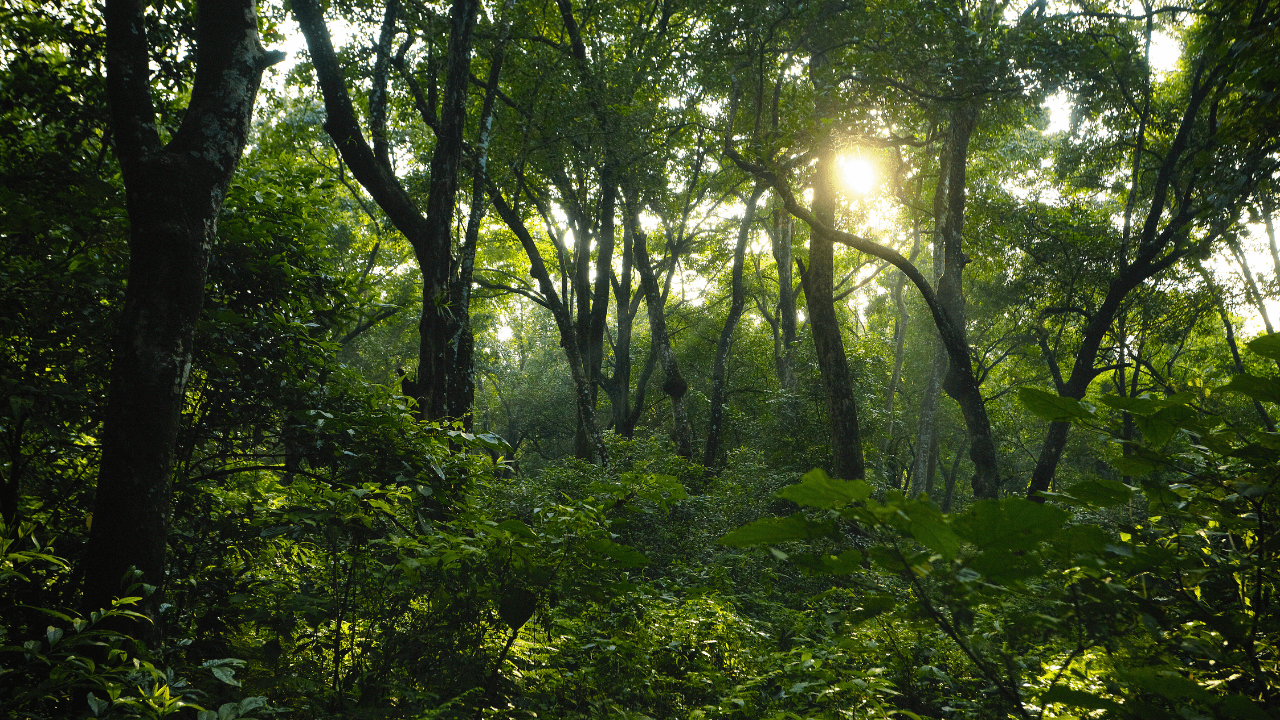
Natural vegetation reclaiming the once-barren plots near the Ranthambore reserve.
- Removal of livestock grazing allowed grasses and shrubs to recover.
- Indigenous trees naturally germinated without artificial watering regimes.
- Insects and small pollinators returned, laying the foundation for a complete trophic cascade.
- Soil health improved as organic matter accumulated naturally.
Overcoming Challenges: Water and Human-Wildlife Harmony
Restoring a parched landscape presented significant logistical hurdles. Without adequate water, flora cannot thrive, and fauna will not migrate into the area. The couple worked meticulously to enhance water retention across the property, constructing small earthen bunds and maintaining waterholes that could capture seasonal monsoon rains.
Equally important was the relationship with neighboring villagers. Conservation rarely succeeds without local community support. By fostering positive relationships, ensuring clear communication, and demonstrating respect for local livelihoods, the Singhs secured the cooperation of nearby residents. Local villagers played an instrumental role in safeguarding the ecosystem from illegal poaching, unauthorized grazing, and accidental fires.
Community-Driven Conservation Strategies
Engaging rural communities ensures long-term sustainability. When local populations view a sanctuary as a communal asset rather than a restriction, human-wildlife conflict diminishes. Shared responsibilities in water management and vigilance created a protective ring around the newly formed wildlife haven.
The Return of the Apex Predators
As the flora flourished, herbivores such as spotted deer, sambar, and wild boars noticed the abundance of forage. These prey species established permanent residency on the private land. Naturally, where prey congregates, apex predators inevitably follow.
Years after the initial purchase, the cameras and physical sightings confirmed what conservationists hoped for: leopards and majestic Bengal tigers began traversing the land regularly. What was once a dead patch of dirt transformed into an active, breathing biological corridor connected seamlessly to the greater Ranthambore ecosystem.
| Timeline Phase | Ecosystem Status | Key Wildlife Observations |
|---|---|---|
| Year 1-3 | Barren, depleted soil; sparse vegetation | Rodents, nomadic birds, occasional reptiles |
| Year 4-7 | Grass regeneration; returning shrubs | Hares, jackals, migratory bird species |
| Year 8-12 | Thriving woodland and dense grasslands | Sambar deer, wild boars, spotted deer |
| Year 13+ | Fully integrated ecological corridor | Tigers, leopards, apex predators establishing territory |
Lessons for Future Conservationists
The incredible transformation achieved near Ranthambore serves as an inspiring blueprint for private landowners globally. It proves that restoring biodiversity does not always require massive financial endowments or high-tech interventions. Sometimes, the most powerful conservation tool is simply stepping aside and letting nature reclaim its space.
Key Takeaways for Private Rewilding
- Patience is Essential: Ecological recovery takes years, requiring steadfast dedication.
- Water is Life: Securing reliable water sources accelerates habitat recovery exponentially.
- Involve Locals: Community integration safeguards conservation gains against external threats.
Ultimately, the dedication shown by Aditya and Poonam Singh highlights how individual vision can expand protected habitats and secure a safer future for endangered wildlife populations everywhere.