

Table of Contents
The Evolution of Era-Defining Retirements in Indian Cricket
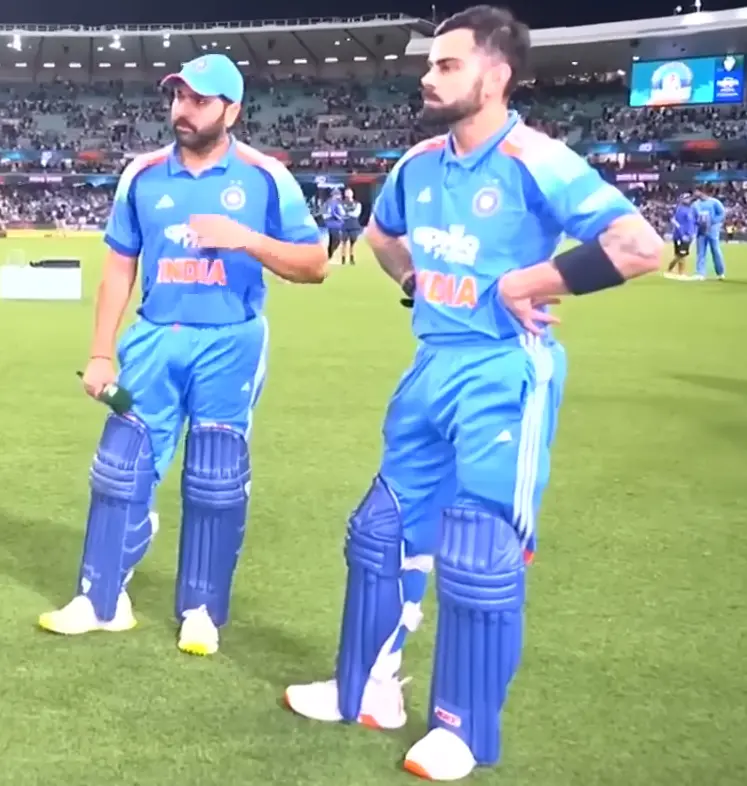
The recent retirements of Virat Kohli and Rohit Sharma from major chapters of their India cricket careers have ignited widespread discussions across the sports landscape. Whenever defining icons step away from the international stage, fans, analysts, and broadcasters naturally question how the sport will sustain its massive audience appeal. However, examining the broader historical trajectory of the game reveals a recurring pattern of transition and renewal.
Concerns regarding the future of Indian cricket viewership are far from unprecedented. Similar anxieties surfaced during previous generational shifts when legendary figures hung up their boots. When icons such as Sunil Gavaskar, Kapil Dev, and eventually Sachin Tendulkar concluded their illustrious careers, skeptics similarly predicted dramatic drops in public interest and television ratings.
In each instance, the sport ultimately transcended individual careers, as new generations of players emerged to capture the public imagination and sustain the health of Indian cricket viewership.
Expert Perspectives on Post-Superstar Viewership
Addressing these recurring anxieties, former players have stepped forward to calm concerns about the game’s commercial and spectator future. Notably, former explosive opening batsman Virender Sehwag dismissed fears that the departures of Kohli and Rohit would cause a significant decline in cricket viewership. Sehwag’s perspective aligns with the historical reality that Indian cricket possesses a deep-rooted cultural resonance that extends well beyond any single player or era.
The transition period following the exit of major stars often serves as a catalyst for emerging talent to step into leadership and focal roles. While the initial adjustment phase naturally brings a sense of nostalgia and adjustment for supporters, the underlying passion for international and domestic fixtures remains robust. Industry observers note that the appeal of competitive sporting drama, national representation, and high-stakes tournament play continually revitalizes fan engagement.
Digital Accessibility and the Modern Fan Experience
Beyond personnel changes, the fundamental medium through_text consumption has transformed dramatically compared to past decades. In previous eras, television served as the primary and often sole medium for following live matches. Today, technology has fundamentally altered how audiences interact with the sport.
Smartphones have made live cricket and highlights vastly more accessible than ever before. Fans no longer rely exclusively on living room television sets or scheduled broadcast windows to stay connected with ongoing matches.
Instant access to digital streams, short-form highlights, and real-time updates on mobile devices ensures that audiences can engage with the game seamlessly throughout their daily routines. This widespread digital integration acts as a powerful stabilizing force for Indian cricket viewership, buffering against traditional broadcast fluctuations and engaging newer, mobile-first demographics across diverse regions.