

Table of Contents
Introduction
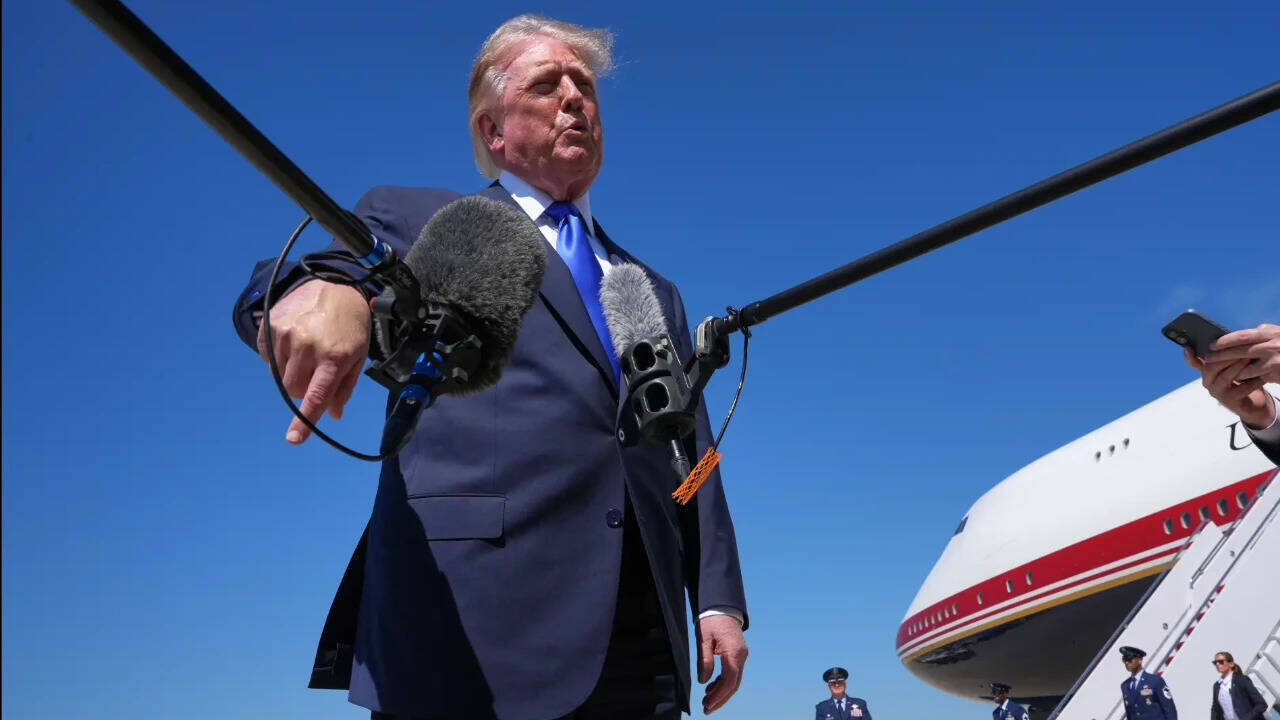
An unexpected Air Force One emergency slide deployment recently caused a significant stir in the aviation and political worlds. When President Trump prepared for his journey to Dallas for the Republican midterm convention, an abrupt disruption altered the travel schedule. Such incidents involving presidential transport are rare and invariably attract intense public and media scrutiny.

Presidential aircraft safety protocols are strictly managed by ground and flight crews.
The Air Force One Incident Explained
The unexpected deployment of the Air Force One emergency slide occurred during pre-flight preparations, creating a sudden logistical hurdle for the presidential delegation. Ground personnel immediately responded to secure the area and evaluate the mechanism responsible for the deployment. Safety protocols dictate that any unexpected activation of evacuation slides requires a thorough technical review before the aircraft can be cleared for continued service.
- Immediate assessment by ground crew personnel
- Physical removal of the deployed slide from the aircraft
- Comprehensive safety sweep of the affected exit door
Security Protocols and Logistics
Operating the presidential fleet involves navigating complex security frameworks. Whenever an anomaly arises, specialized teams coordinate closely with Secret Service agents and aviation mechanics to ensure zero vulnerabilities. The rapid response in Dallas highlighted the rigorous training and preparedness of the ground support units tasked with maintaining presidential transport assets.
The Role of the Backup Aircraft
To prevent extensive delays to the political schedule, aviation coordinators swiftly activated contingency plans. A backup aircraft was brought in to ensure the delegation reached the Republican midterm convention on time. Utilizing secondary transport is a standard contingency in presidential logistics, designed to mitigate unforeseen mechanical or operational hiccups seamlessly.
Aviation Scrutiny and Background
The incident also brought renewed attention to the broader composition and history of the fleet. Specifically, discussions have emerged regarding modified aircraft within official channels, including assets noted as foreign gifts that often undergo strict regulatory reviews. Observers and aviation experts continue to analyze how routine mechanical checks interact with high-profile political travel.
Aviation safety standards remain paramount during high-stakes political travel.
Conclusion
Ultimately, the Air Force One emergency slide incident underscores the unpredictable nature of complex aviation logistics. While the unexpected delay temporarily altered the travel timeline, efficient contingency planning and strict safety protocols ensured the journey to Dallas resumed safely. As aviation authorities complete their reviews, the event serves as a reminder of the meticulous oversight required in modern presidential transport.