
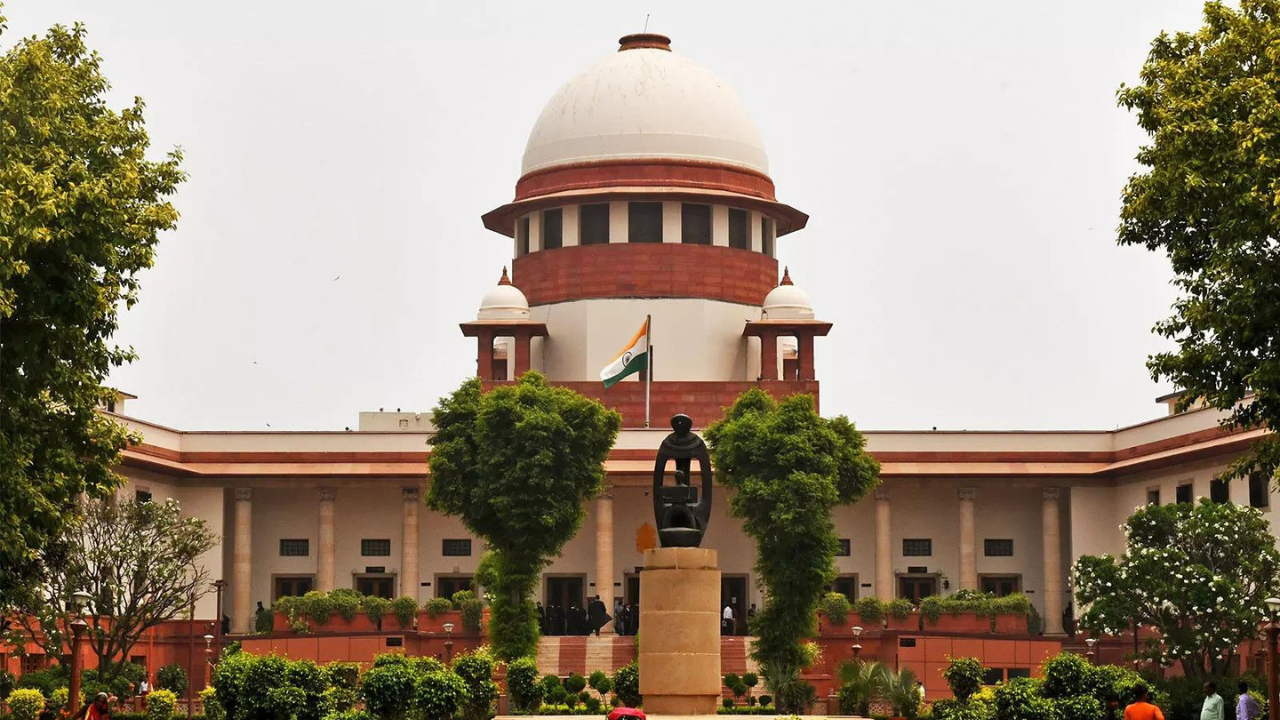

When discussing criminal law, personal autonomy, and statutory definitions, the marital rape exception remains one of the most contentious and widely debated legal topics globally and in India. The Supreme Court of India frequently finds itself at the intersection of traditional legal frameworks, constitutional rights, and evolving societal values. This comprehensive analysis explores the legal complexities surrounding whether a husband can face trial for marital rape when existing statutory provisions classify it as a non-offence, examining the constitutional questions, judicial precedents, and the path forward.
Table of Contents
1. Understanding the Legal Framework and Marital Rape Exception
At the heart of the ongoing judicial discourse is Exception 2 to Section 375 of the Indian Penal Code (IPC), which corresponds to provisions in successor criminal codes. This specific clause states that sexual intercourse or sexual acts by a man with his own wife, the wife not being under eighteen years of age, is not rape. Historically rooted in outdated patriarchal notions of perpetual consent upon marriage, this exception provides legal immunity to husbands accused of non-consensual sexual acts within marriage.
Critics argue that this provision violates the bodily autonomy of married women, stripping them of protections granted to unmarried women. Conversely, traditionalists and certain legislative bodies have expressed concerns regarding potential misuse and the preservation of the institution of marriage. Navigating these opposing viewpoints requires deep constitutional scrutiny, compelling the highest court of the land to examine if the exception withstands modern standards of equality and dignity.
The Statutory Immunity Explained
The legal protection granted under the marital rape exception creates a distinct class of victims based solely on their marital status. Legal experts point out that while assault and physical violence within marriage can be prosecuted under domestic violence acts or general hurt provisions, sexual assault specifically lacks recognition under the penal code when committed by a husband.
2. Constitutional Questions and Fundamental Rights
When the Supreme Court evaluates the constitutional validity of the marital rape exception, it primarily tests the provision against Articles 14, 19, and 21 of the Constitution of India. These articles guarantee the right to equality, freedom of speech and expression, and the right to life and personal liberty, which inherently includes bodily integrity.
- Article 14 (Right to Equality): Does the exception create an arbitrary classification between married and unmarried women facing non-consensual sexual acts?
- Article 21 (Right to Life and Liberty): Does forced sexual intercourse within marriage infringe upon a woman’s right to live with human dignity and bodily autonomy?
- International Obligations: How do global human rights treaties signed by India influence domestic interpretations of marital assault?
3. Key Judicial Precedents and Conflicting High Court Rulings
The path to the Supreme Court has been paved with divergent opinions from various state high courts. A notable example includes the split verdict delivered by the Delhi High Court, which highlighted the deep polarization among jurists on the matter. While one judge favored striking down the exception as unconstitutional, the other upheld its validity, deferring the matter entirely to the legislature.
These conflicting judgments created immense legal uncertainty, prompting petitioners to seek a definitive ruling from the Supreme Court. The apex court’s observations often center on whether the judiciary should rewrite criminal statutes or if such profound socio-legal changes fall strictly within the domain of the parliament.
Legislature Versus Judiciary
A primary argument presented before the bench is the principle of separation of powers. Critics of judicial intervention suggest that defining new criminal offenses or removing long-standing statutory exceptions should be undertaken by elected representatives who can conduct broad public consultations and comprehensive social impact assessments.
4. Societal and Legal Implications of Criminalizing Marital Rape
Modifying or striking down the marital rape exception carries far-reaching consequences for family law, criminal jurisprudence, and social structures. Proponents of reform argue that recognizing marital rape is essential for victim justice, mental health, and gender equality. Without legal recourse, victims of forced marital intimacy suffer in silence without formal remedies under penal law.
On the other hand, opponents express apprehension regarding evidentiary challenges. Proving consent or the lack thereof within the private confines of a matrimonial home presents significant hurdles for investigative agencies and courts, potentially leading to evidentiary disputes and false allegations if adequate procedural safeguards are missing.
5. Conclusion
The debate surrounding whether a husband can be tried for marital rape despite statutory exceptions touches the very core of human rights and modern jurisprudence. As the Supreme Court continues to deliberate on these intricate constitutional questions, the outcome will redefine the legal landscape of marriage and personal liberty in India. Balancing constitutional morality with statutory interpretation remains one of the most formidable challenges for the judiciary.