

Table of Contents
- Introduction
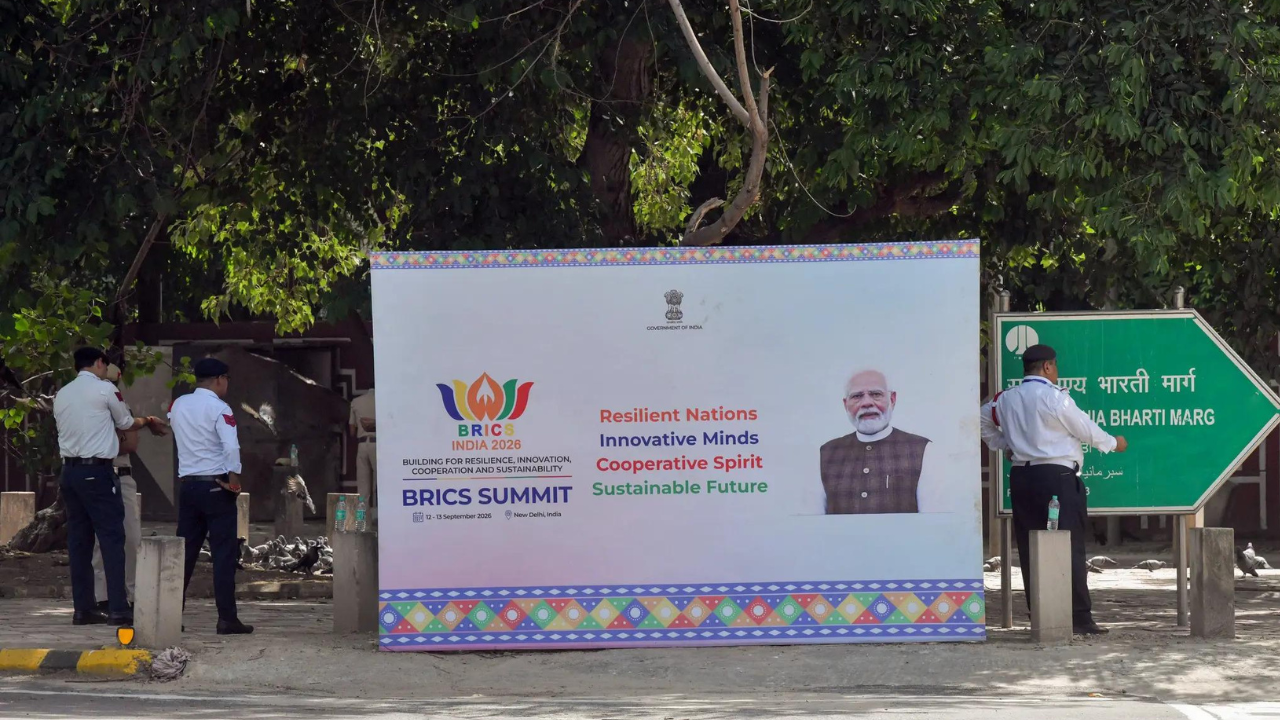
- The BRICS Connection and Modern Defense
- Building a Multi-Layered Defense Framework
- Technological Integration in Urban Security
- Conclusion
Introduction
Delhi security grid initiatives have become paramount as India’s capital navigates complex geopolitical and domestic challenges. Developing a robust, multi-layered security grid in Delhi is essential for safeguarding millions of residents and high-profile international dignitaries alike. By drawing inspiration and strategic cooperation frameworks from global alliances like BRICS, security planners are continuously upgrading the city’s defense architecture. This comprehensive approach ensures that potential threats are mitigated long before they materialize, establishing a new benchmark for modern metropolitan safety.

The BRICS Connection and Modern Defense
Cooperation among emerging economies extends far beyond economic partnerships and trade agreements. Security frameworks, intelligence sharing, and counter-terrorism strategies are increasingly forming the bedrock of modern multilateral discussions. Within this context, the integration of advanced concepts derived from collaborative dialogues helps shape resilient urban protection models.
Intelligence Sharing and Strategic Insights
Effective defense begins with accurate, real-time intelligence. By adopting collaborative methodologies tested across diverse geopolitical landscapes, law enforcement agencies enhance their predictive capabilities. This proactive stance allows security personnel to neutralize emerging risks efficiently.
Technological Integration in Urban Security
Technology remains the great equalizer in modern defense strategy. The capital’s protection mechanisms rely heavily on cutting-edge innovations to maintain uninterrupted surveillance and rapid response capabilities.
Key Technological Components
- AI-powered CCTV surveillance networks spanning critical junctions.
- Advanced facial recognition databases for suspect identification.
- Encrypted communication channels among various security branches.
- Unmanned aerial vehicles for crowd monitoring during major events.
Building a Multi-Layered Defense Framework
A single defensive barrier is rarely sufficient to protect a sprawling metropolis. Instead, contemporary security protocols demand concentric circles of protection, where each layer acts as a vital checkpoint. From perimeter controls at national borders to localized urban policing, coordination is seamless.
| Security Layer | Primary Function | Technology Utilized |
|---|---|---|
| Outer Ring | Border monitoring and entry control | Thermal imaging, Radar |
| Mid Ring | Highway patrols and transit hubs | ANPR cameras, Quick reaction teams |
| Inner Ring | High-security zones and diplomatic enclaves | Biometrics, Restricted access points |
Conclusion
Safeguarding a bustling metropolis requires constant adaptation, international cooperation, and technological innovation. The continuous evolution of the Delhi security grid demonstrates India’s commitment to maintaining peace and stability. Through strategic foresight and multi-layered defense mechanisms, the capital remains well-prepared to face the security challenges of tomorrow.