

Table of Contents
Introduction
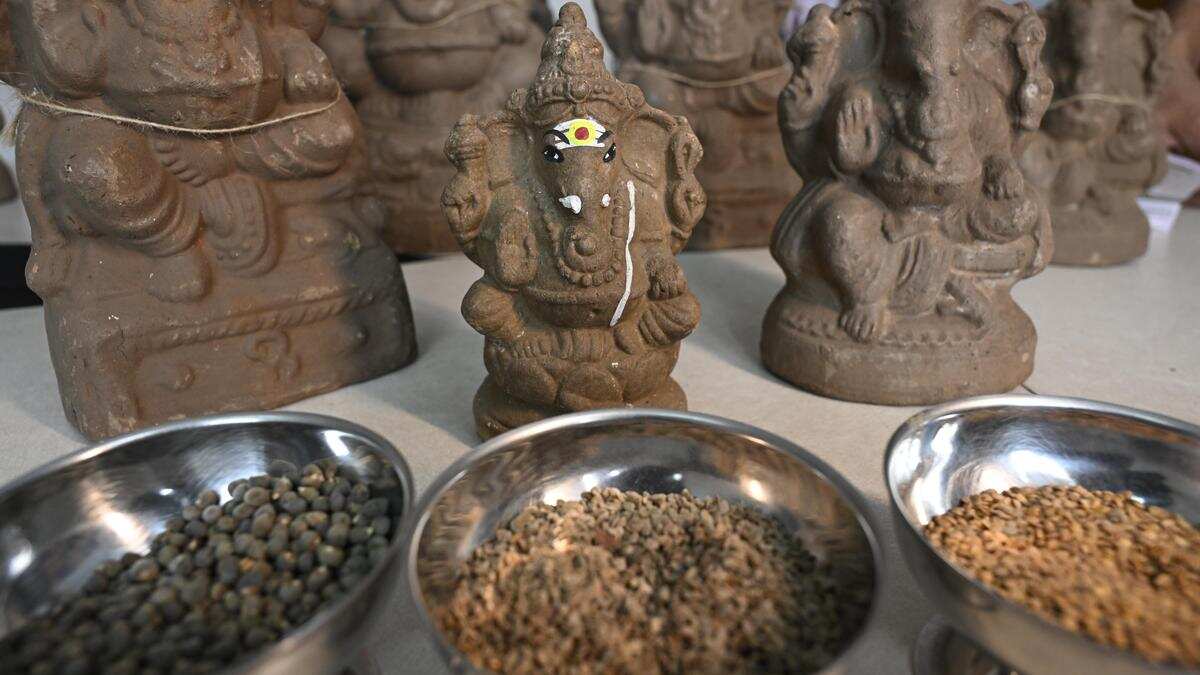
Plantable Ganesh idols are rapidly changing how communities celebrate the festive season by combining deep-rooted traditions with modern ecological awareness. As environmental concerns grow around traditional festive practices, artisans and innovators have introduced sustainable alternatives that honor cultural heritage while protecting nature. These unique statues, crafted from natural materials, ensure that celebrations leave a positive footprint on the environment.

The Environmental Impact of Traditional Idols
For generations, the immersion of deities in water bodies has been a central ritual during major festivals. However, the widespread use of Plaster of Paris (PoP), synthetic paints, and toxic chemicals has severely impacted local water ecosystems. These materials do not dissolve easily, leading to severe water pollution, a reduction in oxygen levels, and harm to aquatic life.
Key Environmental Concerns
- Water Pollution: Heavy metals and chemical dyes contaminate rivers, lakes, and coastal waters.
- Aquatic Hazards: Non-biodegradable debris chokes fish and damages aquatic flora.
- Soil Degradation: Toxic residues left on riverbeds prevent natural vegetation growth long after the festive season ends.
How Plantable Ganesh Idols Work
The concept behind plantable figures is remarkably simple yet scientifically ingenious. Instead of synthetic compounds, these statues are made entirely from organic clay, natural fertilizers, and nutrient-rich soil. Embedded within the structure are viable seeds and grains, ranging from flowers and vegetables to staple grasses.
The Immersion and Growth Cycle
- Crafting: Artisans shape the figure using pure clay and mix indigenous seeds into the core mixture.
- Celebration: Families perform traditional rituals at home, honoring the deity without harming the environment.
- Immersion: Instead of deep water bodies, the statue is immersed in a pot of water at home or in a dedicated community garden vessel.
- Learn more about sustainable living practices to reduce your household waste further.
- Sprouting: As the clay dissolves, the embedded seeds absorb moisture and sunlight, eventually sprouting into vibrant green plants.

Ecological and Social Benefits
Transitioning toward biodegradable festive items offers multiple advantages that extend far beyond pollution control. By participating in these green initiatives, urban households actively contribute to local biodiversity.
Benefits at a Glance
| Feature | Traditional Idols | Plantable Idols |
|---|---|---|
| Material | Plaster of Paris, Synthetic Paint | Natural Clay, Organic Dyes, Seeds |
| Water Impact | High toxicity, blocks waterways | Safe dissolution, enriches soil |
| Afterlife | Litter in water bodies | Grows into plants, feeds wildlife |
How to Choose and Care for Your Idol
Selecting a sustainable festive figure requires careful attention to the materials used by the maker. Ensure that the creator uses natural, non-toxic colors derived from turmeric, indigo, and other plant-based extracts.
Tips for Proper Care
- Keep the figure in a dry place prior to the celebrations to prevent premature sprouting.
- Use a shallow flowerpot for immersion so the dissolved earth remains accessible for plant growth.
- Place the potted mixture in a well-lit balcony or garden area to encourage rapid germination.
Conclusion
Plantable Ganesh idols represent a powerful harmony between ancient spiritual traditions and modern ecological responsibility. By embracing these innovative creations, communities can celebrate with joy and devotion while actively healing the planet. Making conscious choices during cultural festivities ensures a greener, healthier future for generations to come.