

Table of Contents
Introduction
The Marathi community in Bengaluru represents a fascinating tapestry of history, resilience, and seamless cultural integration. Often characterized by a quiet yet profound dedication to their adopted home, Marathi speakers have shaped the socio-cultural fabric of this bustling metropolis for centuries. While other migration waves might attract louder attention, the Marathi diaspora has steadily woven its heritage into the daily rhythms of Bengaluru life, balancing a distinct identity with harmonious coexistence.
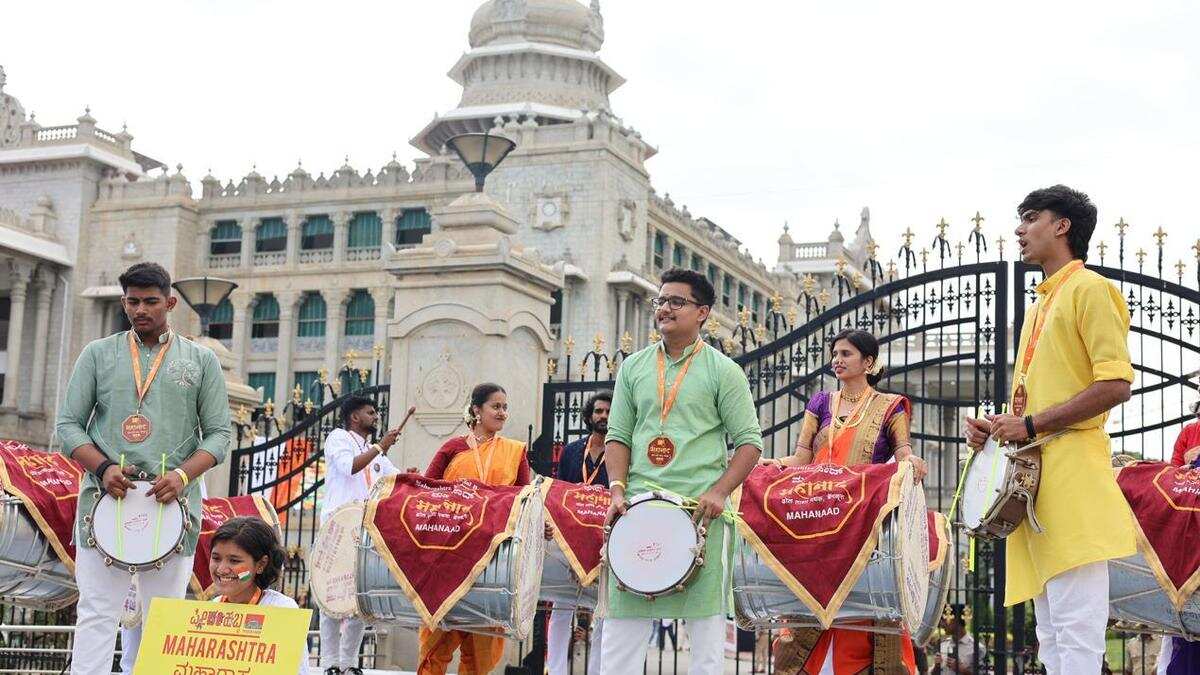
Traditional celebrations and gatherings showcase the vibrant heritage of the diaspora.
Historical Roots and Early Migration
Royal Connections and Early Settlements
The relationship between Maharashtra and Karnataka stretches back deep into medieval history. Long before modern urban expansion, political alignments, military campaigns, and royal marriages brought Marathi-speaking administrators, soldiers, and artisans southward. The influence of the Maratha Empire left lasting administrative and cultural footprints across the Deccan plateau, creating early pathways for migration.
Colonial Era Shifts
During the British colonial period, Bengaluru emerged as a strategic military and administrative hub. This period saw a fresh influx of professionals, clerks, and educators from Maharashtra who sought opportunities in the growing cantonment areas. These early settlers laid down sturdy community foundations that would support subsequent generations.
Cultural Integration and Community Life
Festivals, Art, and Public Life
Cultural preservation remains a cornerstone of the diaspora. Festivals such as Ganeshotsav and Gudi Padwa are celebrated with immense zeal, often bridging gaps with local Kannadiga neighbors through shared festivities. Associations and community halls dotted across neighborhoods like Malleshwaram and Basavanagudi serve as vibrant cultural hubs where classical music, theater, and literature thrive.
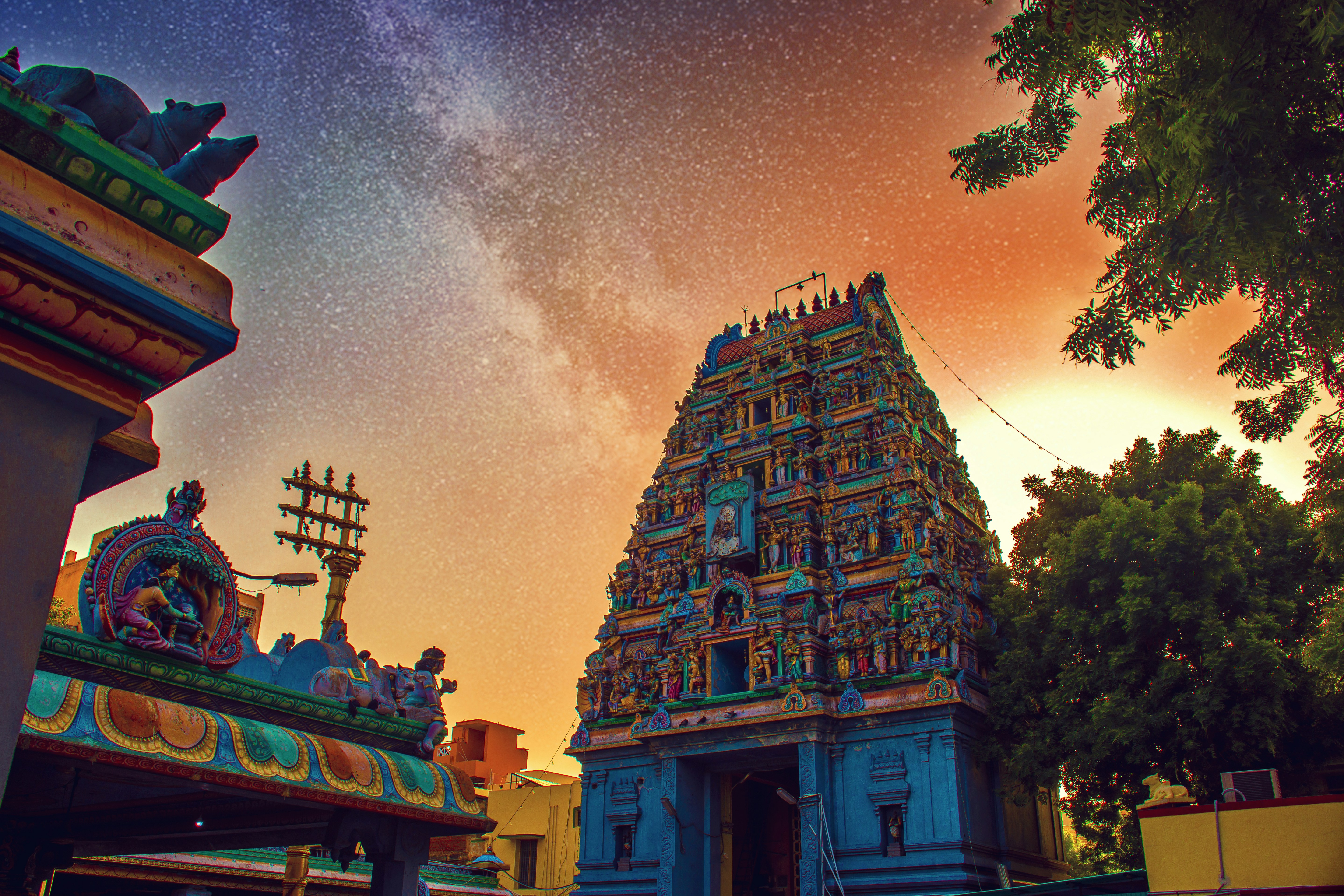
Community centers host regular cultural events, keeping traditions alive for younger generations.
Gastronomic Traditions
Food acts as a powerful cultural bridge. Local culinary landscapes benefit greatly from traditional Maharashtrian flavors. Puran poli, misal pav, and authentic bhel varieties have found eager consumers far beyond ethnic boundaries, enriching the city’s diverse culinary ecosystem.
Economic and Social Contributions
Professional Excellence
Members of the community have excelled across diverse sectors, ranging from education and literature to corporate leadership and public service. Their emphasis on education and disciplined work ethics has earned them immense respect within the local populace. Many have contributed significantly to institutional growth, shaping the modern identity of the city.

Bengaluru’s rapid urban expansion has been supported by diverse professional communities.
Fostering Social Harmony
Integration does not mean the erasure of roots. The diaspora successfully maintains a dual identity—proud of their Maharashtrian heritage while deeply loyal to Karnataka. This balanced approach minimizes cultural friction, setting a positive example for inter-community relations in metropolitan India.
Conclusion
The journey of the Marathi community in Bengaluru highlights a remarkable story of quiet perseverance and mutual enrichment. By honoring their roots while fully embracing local traditions, they have transformed from outsiders into indispensable pillars of the cityscape. Their enduring legacy proves that true integration honors diversity while building shared futures.