
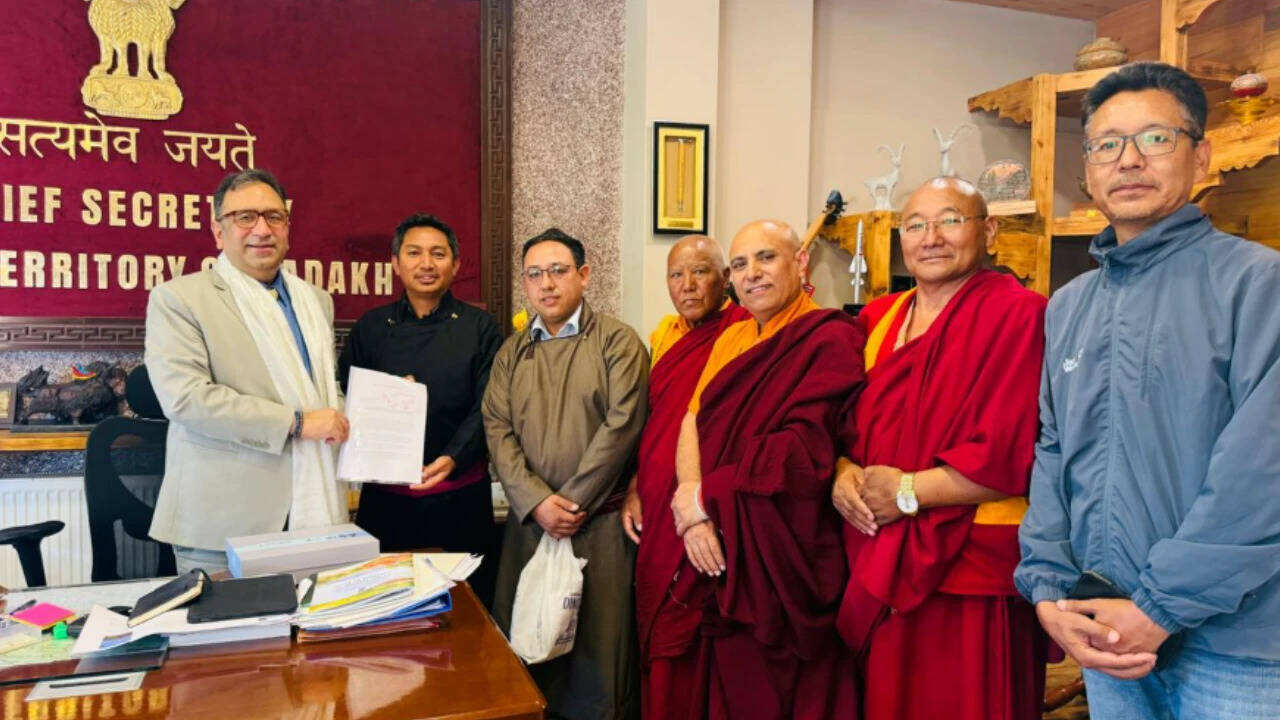

The Bhoti language movement in Ladakh has reached a critical juncture as regional representatives actively advocate for its official inclusion and preservation. Recently, a dedicated delegation formally submitted a comprehensive resolution to the chief secretary, urging immediate administrative action to safeguard this vital linguistic asset. This push highlights the growing cultural aspirations of the region’s inhabitants, who view linguistic recognition as essential for maintaining their distinct identity and heritage.
Table of Contents
Historical Context of Bhoti Language
The Bhoti language holds a profound historical significance across the Himalayan belt, serving as a classical medium for literature, religion, and philosophy for centuries. Spoken and written extensively across Ladakh, Sikkim, Himachal Pradesh, and parts of Arunachal Pradesh, it acts as a unifying thread for diverse communities.
Despite its rich literary tradition and widespread usage among Buddhist communities and scholars, Bhoti has historically faced challenges regarding official recognition at the national level. Scholars and cultural preservationists argue that lack of formal institutional support threatens the transmission of this rich heritage to younger generations.
Linguistic Roots and Script
The script associated with Bhoti is deeply rooted in ancient Brahmi traditions and has been utilized to preserve countless manuscripts detailing medicine, astronomy, and spiritual teachings. Efforts to standardize and promote the script have been ongoing for decades, driven largely by local academic bodies and religious institutions.
The Ladakh Delegation Efforts
The recent submission of the resolution to the chief secretary marks a coordinated political and social effort by Ladakhi stakeholders. Representatives from various cultural organizations, academic circles, and community leaders joined forces to draft a clear, actionable roadmap for the government.
During the formal meeting, delegates emphasized that the inclusion of Bhoti in official spheres would foster a greater sense of inclusion and respect for regional diversity. The chief secretary acknowledged the representation, promising to review the document thoroughly within the framework of existing legal and constitutional provisions.
Key Demands in the Resolution
- Official recognition of Bhoti in the educational curriculum.
- Support for literary development and publishing houses.
- Establishment of specialized academic chairs in regional universities.
- Inclusion in the Eighth Schedule of the Constitution of India.
Cultural and Educational Significance
Integrating Bhoti into the educational framework is viewed by experts as a necessary step to prevent language shift and erosion. When children learn their traditional tongue in schools, it strengthens cognitive development and cultural pride.
Furthermore, educational integration opens up career avenues in research, translation, and administration, proving that traditional languages can thrive in modern economies. Community elders frequently stress that a society losing its language gradually loses its collective memory.
Future Outlook and Challenges
While the submission of the resolution is a positive milestone, translating political will into policy changes requires sustained dialogue and administrative commitment. Observers remain cautiously optimistic, noting that regional empowerment depends heavily on grassroots participation and transparent governance.
As Ladakh continues to navigate its unique administrative status, linguistic preservation will undoubtedly remain a cornerstone of regional identity discussions. The ongoing dialogue between local stakeholders and government authorities sets a precedent for how minority and classical languages can be advocated for in modern democratic frameworks.
Conclusion
The persistent advocacy for the Bhoti language in Ladakh underscores the enduring value of regional heritage in a rapidly globalizing world. Through structured dialogue, formal resolutions, and community-led initiatives, the push for recognition moves steadily forward, offering hope for the preservation of a rich Himalayan legacy.