
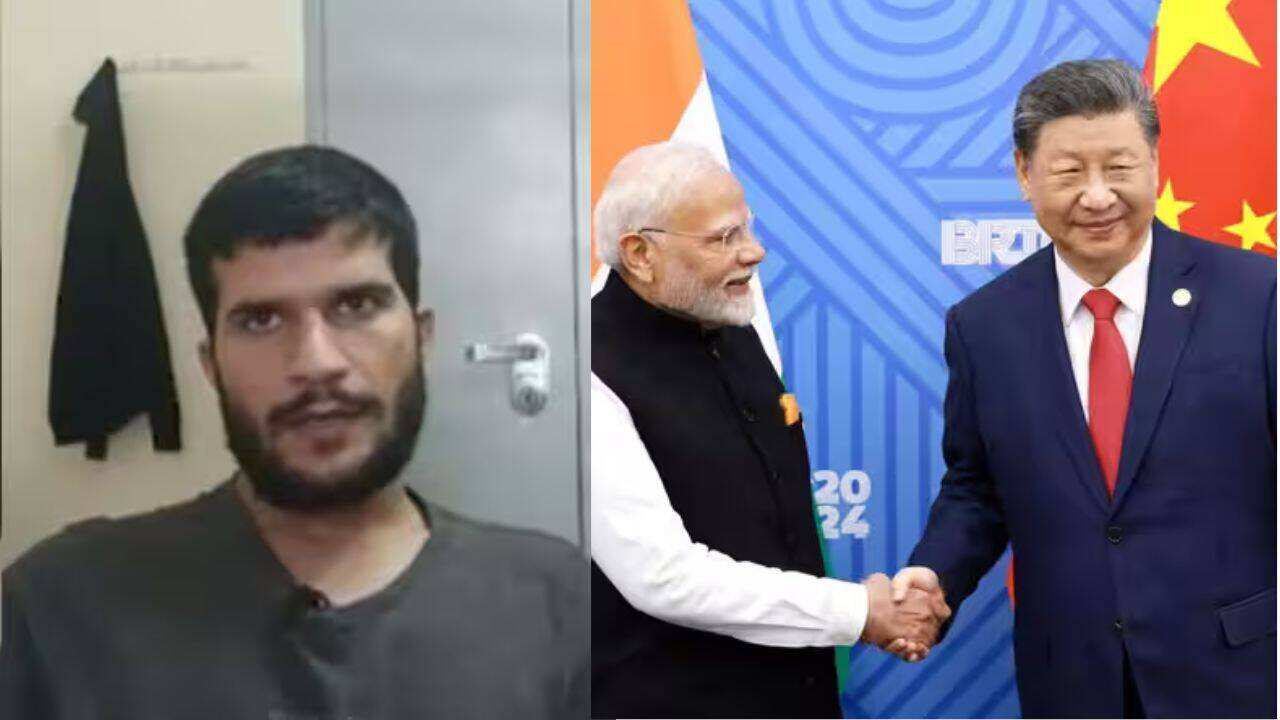

When following major geopolitical developments and domestic updates, the Brics summit remains a focal point for international diplomacy and security discourse. Recent intelligence disclosures have shed new light on historic terror investigations, while regional mandates and global political strategies continue to shape current affairs across India. Understanding these multifaceted events requires a comprehensive look at security updates, diplomatic engagements, and administrative policy changes.
Table of Contents
Red Fort Bomber’s Original Target Revealed
Recent investigative findings have uncovered critical details regarding the infamous Red Fort bombing. Umar-un-Nabi, the perpetrator linked to the attack, initially planned to target the historic Lal Mandir. However, heavy traffic congestion and stringent police deployment forced a last-minute redirection toward the Red Fort.

Security analysts note that urban congestion and tactical law enforcement presence can heavily influence the execution trajectories of hostile actors. This revelation emphasizes the ongoing need for dynamic urban security frameworks and intelligence sharing across jurisdictions.
Security Implications for Major Monuments
Protecting historical landmarks requires a balance between public accessibility and robust counter-terrorism measures. Intelligence agencies now utilize advanced predictive modeling to safeguard high-profile cultural sites against shifting threat vectors.
Xi Jinping Set to Visit India for Brics Summit
In international diplomacy, preparations are well underway for the upcoming Brics summit. Chinese President Xi Jinping is scheduled to visit India next month to participate in multilateral discussions alongside other bloc leaders.

The summit serves as a crucial platform for emerging economies to address global trade dynamics, sustainable development, and financial architecture reforms. Bilateral meetings on the sidelines of the event are expected to touch upon regional stability and diplomatic engagement.
Multilateral Cooperation Among Emerging Economies
The bloc continues to expand its cooperative footprint through financial institutions like the New Development Bank and joint technology initiatives. Observers will closely watch how member nations navigate complex global supply chains during these high-level talks.
Karnataka Mandates Vande Mataram in Government Events
On the domestic front, the Karnataka state government has introduced a mandatory directive requiring the rendition of Vande Mataram during official state functions. This administrative decision aims to foster civic pride and cultural unity across public institutions.
While supported by proponents of cultural heritage, the directive has also sparked dialogue regarding administrative protocols and inclusivity in state governance. Implementation guidelines are currently being distributed to various municipal and departmental offices.
Global Electoral Strategies and Voter ID Parallels
International political discourse frequently intersects with national electoral debates. Recent electoral strategies observed in the United States, particularly concerning strict voter identification requirements and economic dividends, have drawn comparisons with India’s robust democratic voting procedures.
India’s Election Commission employs a comprehensive voter identification framework, ensuring high levels of electoral integrity. Observers often analyze how cross-border policy concepts influence domestic electoral reform discussions.
Conclusion
From critical intelligence revelations regarding historic security threats to major upcoming diplomatic engagements like the Brics summit, current events highlight a dynamic intersection of security, governance, and international relations. As administrative policies evolve and global leaders convene, staying informed remains essential for understanding the broader geopolitical landscape.