
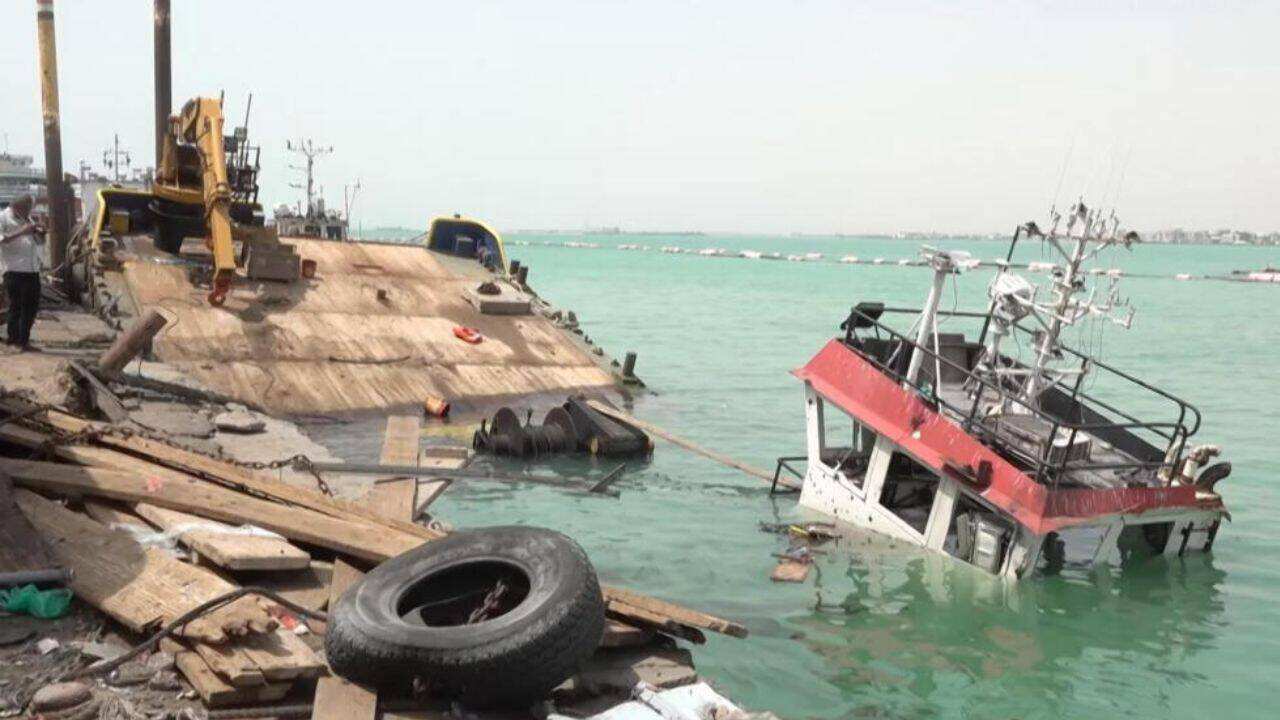

Houthi Red Sea port control has shifted dramatically following recent military escalations, delivering a profound strategic setback to Saudi-backed forces and altering the geopolitical landscape of the Middle East. As regional tensions continue to escalate, understanding the maritime implications and broader geopolitical context is essential for grasping the future of international trade and security.
Table of Contents
1. The Strategic Importance of Red Sea Ports
The Red Sea remains one of the most critical waterways on earth, facilitating a vast percentage of global commerce, particularly oil and consumer goods moving between Asia and Europe. Controlling ports along this vital corridor grants immense leverage to whichever faction holds them. The recent advances by Iran-backed fighters have fundamentally reshaped naval dynamics in the region.

Cargo ships navigating the volatile maritime lanes of the Middle East.
2. A Major Blow to Saudi-Backed Forces
For years, a coalition led by Saudi Arabia has attempted to secure Yemen’s coastline to prevent the flow of arms and protect vital shipping lanes. The sudden loss of this critical coastal infrastructure marks a severe reversal for the coalition. Analysts suggest that this development exposes vulnerabilities in the defensive posture maintained by regional allies.
Military Ramifications
Beyond the immediate loss of territory, the shift in control alters the balance of power on the ground. Supply lines have been disrupted, forcing military planners to reassess their operational strategies in western Yemen.
3. Global Implications for Maritime Trade
International shipping companies are watching these developments with deep concern. Previous disruptions in the area have forced vessels to take longer, more expensive detours around the Cape of Good Hope. Maintaining stability is paramount for preventing global supply chain bottlenecks.
4. Future Outlook and Regional Stability
As diplomatic efforts stall and military postures harden, the international community faces a difficult challenge. Restoring maritime security will require coordinated diplomatic pressure and robust defensive measures to safeguard commercial vessels navigating these dangerous waters.
Conclusion
The seizure of this vital Red Sea port underscores the persistent volatility of the Yemeni conflict and its far-reaching consequences for global trade. Without concerted international intervention, the security of critical shipping corridors will remain deeply compromised, affecting economies worldwide.