

Table of Contents
Introduction to Pest Control in Madhya Pradesh
Effective pest control remains a vital cornerstone of modern forestry management, especially in regions rich in biodiversity. In the heart of India, Madhya Pradesh stands out for its vast, sprawling green landscapes and dense woodlands. Recently, local forestry departments have implemented an unprecedented and creative strategy to protect their precious ecosystems. By leveraging local knowledge and encouraging community participation, authorities are turning a biological challenge into a collaborative triumph.
Traditional methods of managing destructive insects often rely heavily on chemical pesticides, which can cause unintended harm to the surrounding environment and local wildlife. However, the latest approach adopted in Madhya Pradesh relies entirely on biological observation and community-driven initiatives. This unique program not only targets destructive species directly but also provides a sustainable source of income for rural inhabitants living near the forest borders.
The Threat Posed by the Sal Borer
The Sal tree, scientifically known as Shorea robusta, is one of the most ecologically and economically significant timber species in the Indian subcontinent. These majestic trees provide canopy cover, support diverse fauna, and sustain local livelihoods through non-timber forest products. Unfortunately, these vital trees face a persistent and dangerous enemy: the Sal Borer beetle.
- Boring larvae tunnel deep into the heartwood, disrupting nutrient transport.
- Infestations can spread rapidly, transforming a healthy woodland into a graveyard of dead timber.
- Outbreaks historically required massive tree-felling operations to contain the biological damage.
Understanding the life cycle of this destructive insect is crucial for designing effective interventions. Forest rangers and scientists have spent decades studying how population explosions occur, leading to the search for non-toxic, highly scalable management solutions that do not degrade the soil or harm beneficial insects.
The Innovative Mundmala Technique
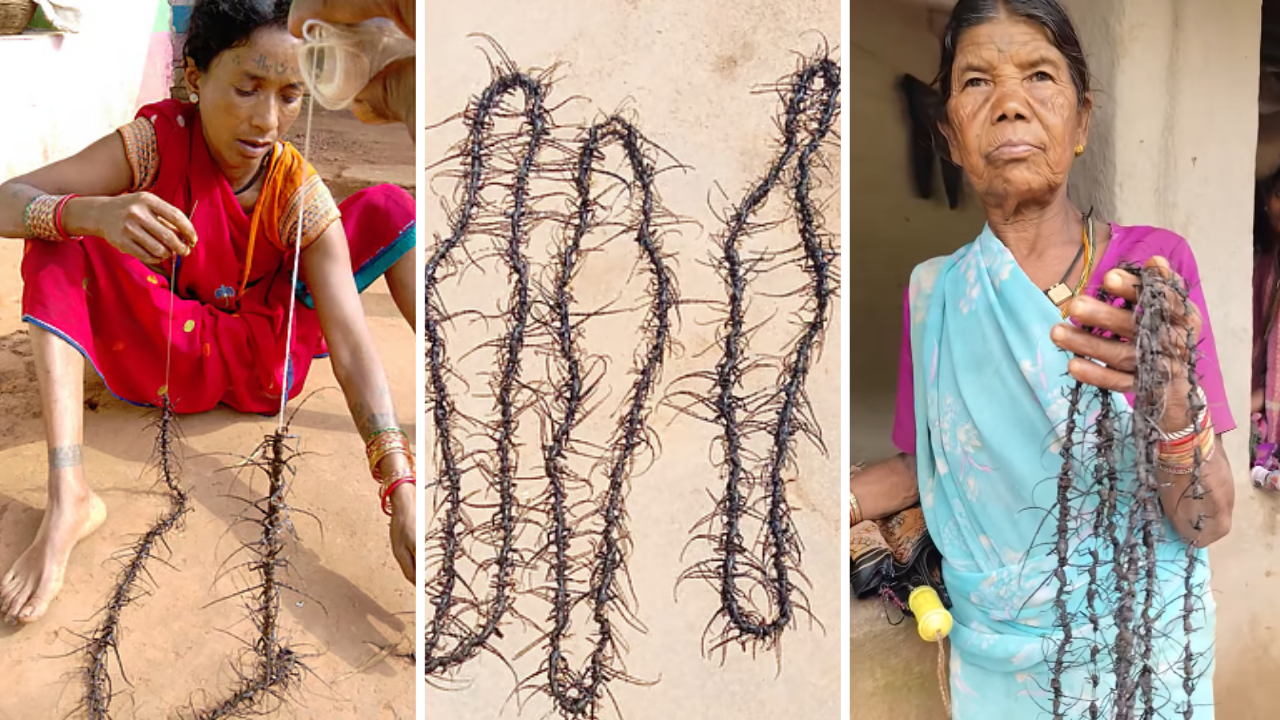
Discarding conventional chemical spraying, forest administrators introduced a striking local tradition-inspired method known widely as the Mundmala technique. In this context, pest control takes a fascinating visual form. Villagers are enlisted to collect the heads of the destructive beetles, which are then strung together into garlands.

Foresters and locals collaborate to monitor and manage woodland health.
These garlands are strategically hung around the forest or near vulnerable groves. While the exact behavioral deterrent mechanism is still observed by local naturalists, the physical collection drastically reduces the immediate population of breeding adults. It is a striking blend of indigenous folklore and practical field entomology that has captured the attention of conservationists worldwide.
How the Program Operates
The mechanics of the project are straightforward yet remarkably efficient. Forest divisions establish collection centers where villagers can bring their gathered specimens. The administration has set a clear financial reward system to encourage maximum participation during peak breeding seasons.
| Metric | Details |
|---|---|
| Collection Target | Batches of insect heads |
| Financial Reward | INR 200 per standard collection |
| Primary Goal | Population suppression and community engagement |
</table
Community Empowerment and Financial Incentives
Conservation efforts frequently fail when local populations feel alienated from natural resources or restricted by strict governmental regulations. Recognizing this, the forestry department in Madhya Pradesh ensured that pest control became an economic opportunity for forest-adjacent villagers.
By paying individuals for every collection milestone achieved, the administration fosters a deep sense of ownership and stewardship. Families who previously viewed forest management as an external imposition now actively patrol woodlands, scouting for signs of insect activity and taking pride in the health of their local environment.
Ecological Impact and Future Outlook
The long-term implications of this community-led project extend far beyond immediate beetle management. By avoiding harsh chemical interventions, the forest floor retains its delicate balance of microorganisms, ground-dwelling birds, and beneficial predators.
Experts are currently evaluating whether similar frameworks can be successfully deployed in other protected zones across the country facing different arboricultural pests. As climate change alters insect lifecycles, adaptive, community-focused solutions will undoubtedly form the bedrock of future ecological preservation.
Conclusion
The innovative pest control strategies deployed in Madhya Pradesh demonstrate that creative problem-solving often yields the most sustainable outcomes. By combining financial empowerment with traditional wisdom, authorities have created a blueprint for modern forest conservation that respects both nature and humanity.