

Table of Contents
Introduction to Sensory Conservation
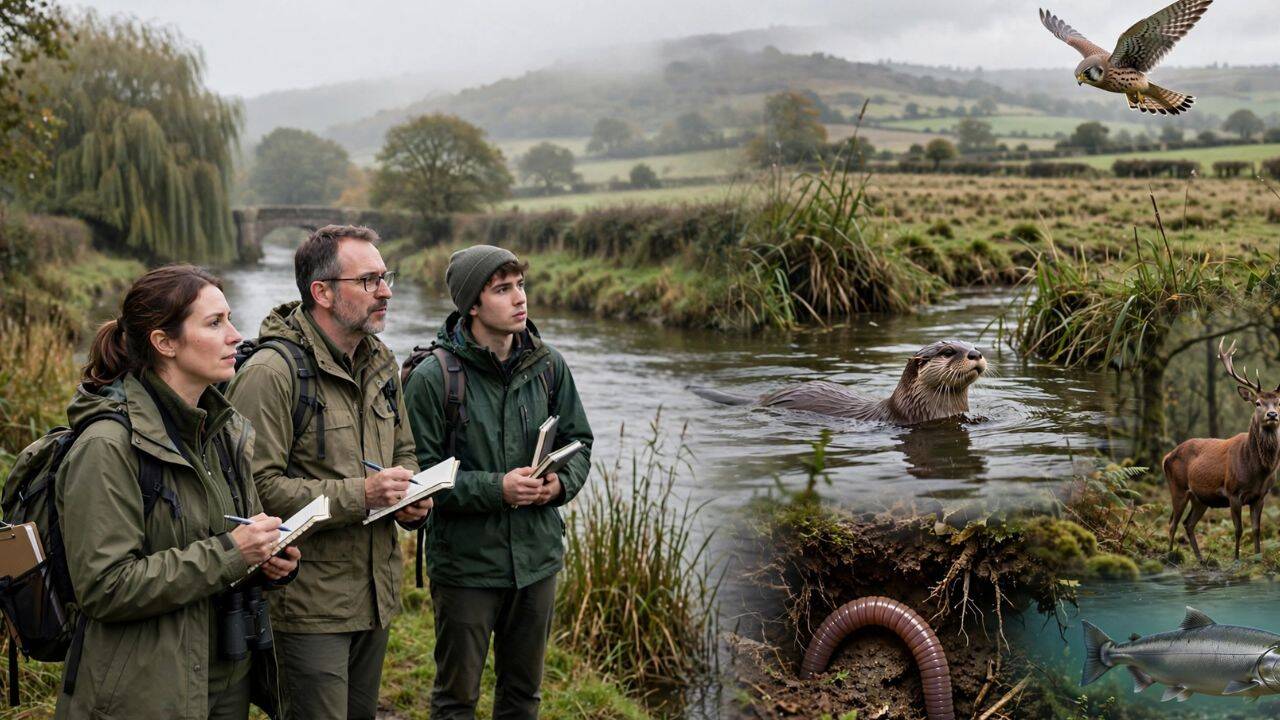
Wildlife conservation efforts traditionally rely on quantitative data, such as population counts and habitat mapping. However, a groundbreaking project near the River Tone has introduced a radically different approach: asking human volunteers to experience the world through the sensory apparatus of local fauna. By adopting the perspectives of earthworms, otters, and kestrels, participants gained a profound understanding of how modern infrastructure and human behavior disrupt natural ecosystems.
Understanding wildlife conservation requires looking beyond our own anthropocentric viewpoint. When we force ourselves to perceive the landscape through the auditory, tactile, and visual limits of animals, invisible hazards suddenly become glaringly obvious. This immersive study highlights the urgent need to redesign human landscapes to accommodate the vulnerable creatures sharing our environment.
The Unique Methodology of Wildlife Conservation

The research team structured the experiment to immerse participants in the daily realities of non-human species. Volunteers spent weeks engaging with the environment not as dominant human observers, but as vulnerable inhabitants of the ecosystem. This hands-on technique fundamentally shifted their perception of familiar terrains.
Stepping into the Shoes of Earthworms
Participants simulating earthworms focused on the subterranean and soil-level perspective. They noted soil compaction caused by heavy foot traffic and the insidious spread of chemical pollutants. This low-level viewpoint revealed how gardening practices and urban paving severely restrict subterranean mobility and aeration.
Navigating the Skies Like Kestrels
Kestrel simulators focused on aerial perspectives, scanning open fields and studying the fragmentation of hunting grounds. They tracked how tall buildings, overhead power lines, and continuous artificial lighting disorient predatory birds and disrupt their natural hunting patterns.
Key Findings Near the River Tone
Carried out along the picturesque River Tone, the project exposed numerous overlooked hazards affecting local biodiversity. Red deer, otters, and various nesting birds face daily stressors that are entirely invisible to the casual human observer. The immersive method successfully cataloged these hidden dangers.
- Train Noise: Constant vibrations and loud audio disruptions from railway lines interfere with the communication and hunting efficiency of sensitive mammals.
- Domestic Dogs: Uncontrolled pet activity in protected zones routinely flushes nesting birds and stresses resting herbivores like red deer.
- Light Pollution: Nighttime illumination disorients nocturnal species and alters the foraging habits of river-dwelling creatures.
Broader Implications for Urban Planning
The success of this sensory-driven project opens exciting doors for future urban development and conservation strategies. City planners and environmental policymakers can no longer afford to view infrastructure projects solely through a human lens. Incorporating animal perspectives ensures that green spaces remain genuinely habitable for indigenous species.
Expanding to New Communities
Researchers plan to replicate this methodology in diverse geographical settings, ranging from dense metropolitan centers to remote rural villages. By engaging local residents in sensory empathy exercises, communities can foster a deeper, more empathetic connection with their local ecosystems.
Conclusion
Reimagining human landscapes through the eyes, ears, and instincts of wildlife offers a vital paradigm shift in environmental protection. As demonstrated by the River Tone project, stepping outside of human sensory biases allows us to identify and mitigate hidden ecological threats. Embracing this empathetic approach is essential for creating sustainable, harmonious environments where both humans and wildlife can thrive together.