
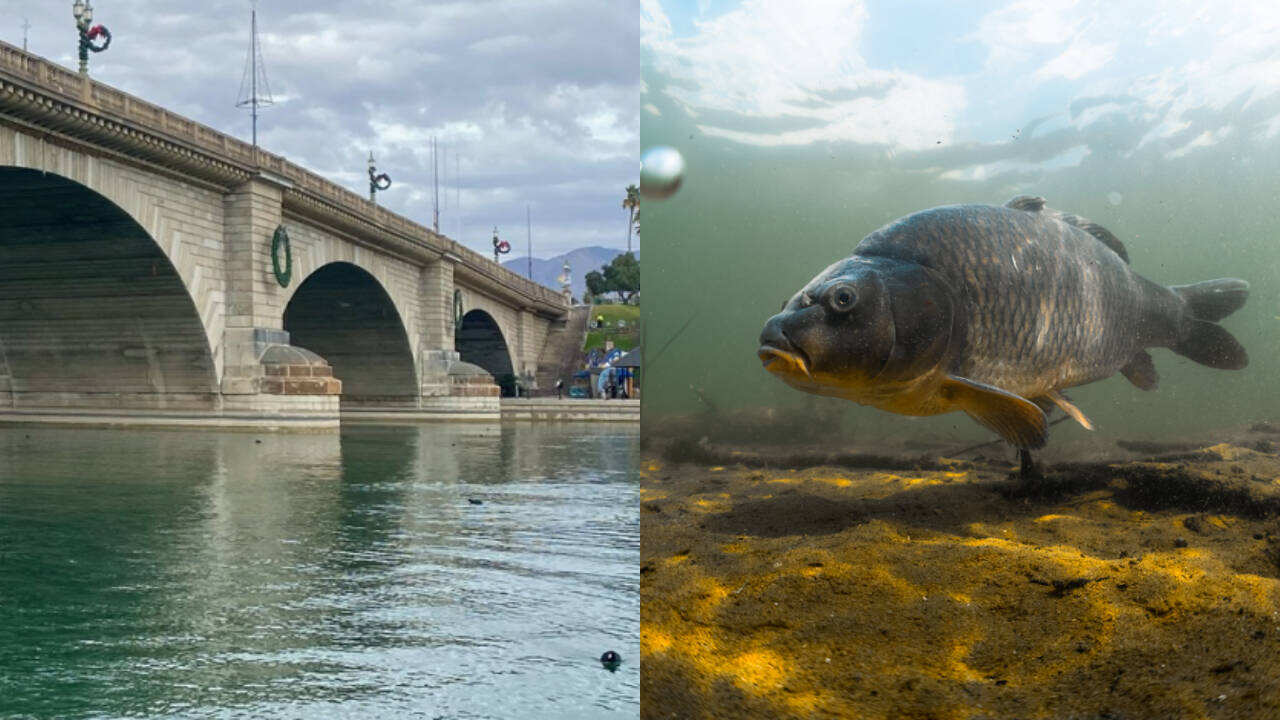

When examining successful environmental recovery initiatives, few freshwater projects match the longevity and impact of the Lake Havasu habitat restoration effort. Starting back in 1992, a unique collaborative partnership set out to reverse declining fisheries through an ambitious aquatic improvement plan. Today, this essential conservation model stands as a masterclass in revitalizing freshwater ecosystems, demonstrating how strategic artificial structures can permanently benefit regional biodiversity and recreational opportunities.
Table of Contents
1. Origins of the Lake Havasu Partnership
Before the comprehensive Lake Havasu habitat restoration took shape, local fisheries faced significant hurdles. Fluctuating water levels, shoreline development, and natural aging processes stripped the reservoir of vital organic cover. Fish populations struggled to find secure breeding grounds and shelter from predatory species. Recognizing these mounting ecological pressures, local wildlife agencies, angler groups, and municipal authorities joined forces to create a viable rescue plan.
This coalition recognized that passive management would not suffice. Instead, they required active intervention to rebuild structural complexity beneath the water surface. By pooling resources and scientific expertise, the founding members laid the groundwork for a multi-decade environmental turnaround.

The sprawling waters of Lake Havasu have benefited immensely from decades of targeted conservation work.
2. The Scale of the 1992 Restoration Project
Launched with precise ecological goals, the initiative tackled the reservoir section by section. Rather than scattering materials at random, planners mapped out specific coves requiring critical intervention. The sheer scale of the operation eventually transformed roughly 90 acres of manufactured structures, which in turn improved approximately 875 acres of surrounding aquatic coves.
Key achievements of the foundational phase include:
- Targeting shallow and deep-water zones to support diverse fish life stages.
- Deploying durable materials designed to withstand shifting underwater currents.
- Collaborating closely with local volunteers to place structures efficiently.
3. Engineering Artificial Aquatic Environments
Creating effective underwater structures requires careful engineering. Natural fallen trees decompose rapidly, but artificial configurations offer long-term stability. The partners utilized specialized modules crafted from recycled and inert materials. These modules provided intricate labyrinths where smaller fish could hide while offering ambush points for sportfish like largemouth bass and striped bass.
Furthermore, these installations encouraged the growth of periphyton and aquatic microorganisms, forming the base of the local food web. Consequently, the aquatic ecosystem experienced a significant boost in overall productivity.

Engineered modules provide long-lasting shelter for numerous freshwater species.
4. Measuring Success Across 124 Coves
Over the years, consistent monitoring revealed extraordinary progress. The initiative successfully expanded its footprint, ensuring that habitat enhancements were established across 124 distinct coves. Fisheries biologists conduct regular surveys to track fish density, species diversity, and angler catch rates, consistently reporting positive outcomes.
Economic and Recreational Benefits
Beyond ecological gains, the project revitalized the local economy. Lake Havasu remains a premier destination for recreational boating and sportfishing. Healthy fish populations attract thousands of visitors annually, supporting local hospitality and marine businesses.
5. Future Outlook for Lake Havasu
As environmental challenges evolve, the framework established in 1992 continues to guide modern conservation strategies. Stakeholders remain committed to maintaining existing installations and planning future enhancements to safeguard the reservoir’s aquatic health for generations to come.
Conclusion
The remarkable journey of the Lake Havasu habitat restoration underscores the power of cooperative environmental stewardship. By addressing structural deficits head-on across 124 coves, this landmark initiative transformed a declining fishery into a thriving aquatic ecosystem, setting a high standard for freshwater management worldwide.