
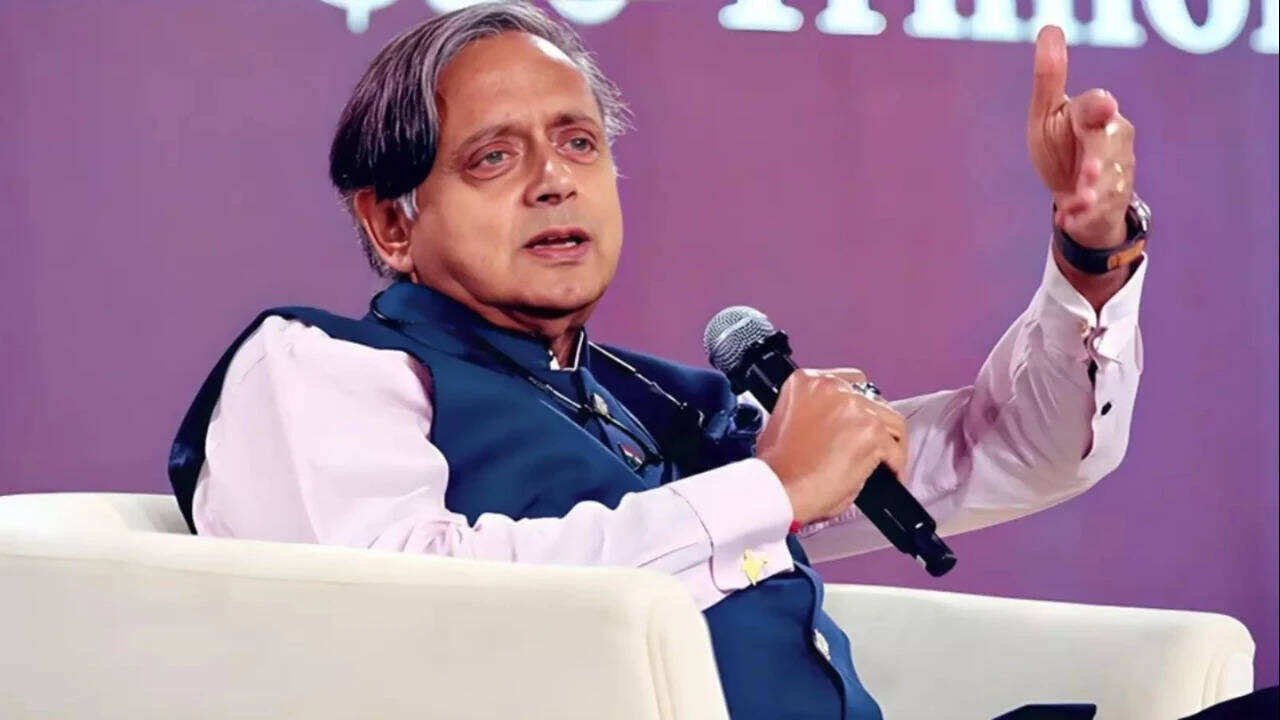

As India prepares to host the upcoming Brics summit 2026 in New Delhi, the nation faces critical diplomatic choices on the global stage. Senior lawmaker and diplomat Shashi Tharoor recently advised the central government to prioritize the national interest while ensuring the bloc remains strictly non-Western rather than anti-Western. This nuanced perspective highlights the complex balancing act required as New Delhi takes on the rotating chair of the influential geopolitical coalition.
Table of Contents
Understanding the Brics summit 2026
The 18th Brics summit is scheduled to take place in New Delhi on September 12 and 13, 2026. This high-profile gathering will bring together heads of state and government leaders from member nations, newly added partner countries, and special outreach invitees. According to official statements from the Ministry of External Affairs (MEA), the discussions will focus heavily on strengthening intra-bloc cooperation, enhancing economic resilience, and exchanging critical perspectives on pressing regional and global issues.
Hosting this major international event provides a unique platform for New Delhi to shape multilateral agendas. However, it also places diplomatic relations under a microscope. Observers note that India must carefully manage its strategic autonomy while engaging constructively with diverse partners across the developing and developed worlds.
Key Priorities for the Indian Chairmanship
During its tenure as chair, India aims to steer the alliance toward practical solutions for global challenges. Core themes typically include sustainable development, financial architecture reform, digital public infrastructure sharing, and counter-terrorism coordination. The objective is to foster a more inclusive and representative international system.
Shashi Tharoor’s Strategic Vision
Weighing in on the diplomatic roadmap, Shashi Tharoor emphasized that India’s engagement with the bloc should be guided strictly by pragmatic national interests. Rather than positioning the coalition as an adversarial force against traditional Western powers, Tharoor argued that maintaining a non-Western stance is far more beneficial for New Delhi’s multi-alignment strategy.
This approach allows India to advocate effectively for the Global South without alienating its vital economic and security partners in North America and Europe. Multialignment has long been a cornerstone of Indian foreign policy, enabling the country to maintain independent strategic choices across different geopolitical fronts.
Non-West Versus Anti-West
The distinction between being non-West and anti-West is crucial in modern international relations. A non-Western platform simply pursues independent policy frameworks and alternative multilateral institutions without seeking confrontation with established Western powers. Conversely, an anti-Western alignment would severely restrict India’s diplomatic flexibility and counterweight strategy against common security challenges in the Indo-Pacific region.
Navigating Great Power Rivalries
The contemporary geopolitical environment is characterized by intense strategic competition between established and emerging powers. Within this framework, multilateral groupings serve as essential venues for dialogue. However, managing divergent interests among member states remains a persistent challenge.
India’s ability to bridge gaps between different factions will be thoroughly tested in the lead-up to the September gathering. Balancing relationships within platforms that include diverse global actors requires diplomatic finesse and steadfast adherence to sovereign priorities.
Economic Cooperation and Multilateralism
Beyond geopolitics, economic collaboration remains a primary driver for the alliance. Discussions during the upcoming meetings will likely explore alternative trade settlements, enhanced supply chain resilience, and expanded development financing through institutions like the New Development Bank.
Experts suggest that fostering deeper economic integration among emerging economies can insulate them from external financial shocks. Nevertheless, regulatory harmonization and trust-building remain essential prerequisites for achieving these ambitious goals.
Conclusion
As preparations accelerate for the Brics summit 2026, India stands at a pivotal crossroads in its diplomatic journey. By heeding pragmatic counsel to keep the grouping non-Western and firmly rooted in national interest, New Delhi can successfully advance the priorities of the Global South while preserving its vital global partnerships. The upcoming meetings will undoubtedly test India’s leadership capacity and its enduring commitment to independent, multi-aligned foreign policy.