

Table of Contents
Introduction
Parliament prorogation delay has recently sparked intense political friction in the country, drawing sharp criticism from opposition parties against the central administration. The Congress party has openly taunted the ruling establishment, alleging ulterior motives behind the unusual postponement of officially concluding the legislative session. This evolving political controversy brings constitutional procedures, legislative accountability, and executive authority into sharp focus as analysts examine the deeper ramifications of delayed parliamentary protocols.
Understanding the Parliament Prorogation Delay Controversy
To fully grasp the current political standoff, one must understand what prorogation means within the framework of parliamentary democracy. Prorogation refers to the formal discontinuation of a session of Parliament by an order issued by the head of state on the advice of the executive. Unlike adjournment, which merely suspends a sitting for a short duration, prorogation terminates the session entirely, affecting pending bills and parliamentary committees depending on constitutional provisions.

The legislative complex where parliamentary sessions and institutional decisions take place.
The Constitutional Framework
The executive branch holds the constitutional prerogative to recommend prorogation when legislative business concludes. However, keeping a session technically alive without active sittings raises procedural eyebrows. Critics argue that extending the interim period without formal closure circumvents standard legislative accountability and leaves room for administrative maneuvering.
Congress Allegations and Political Motives
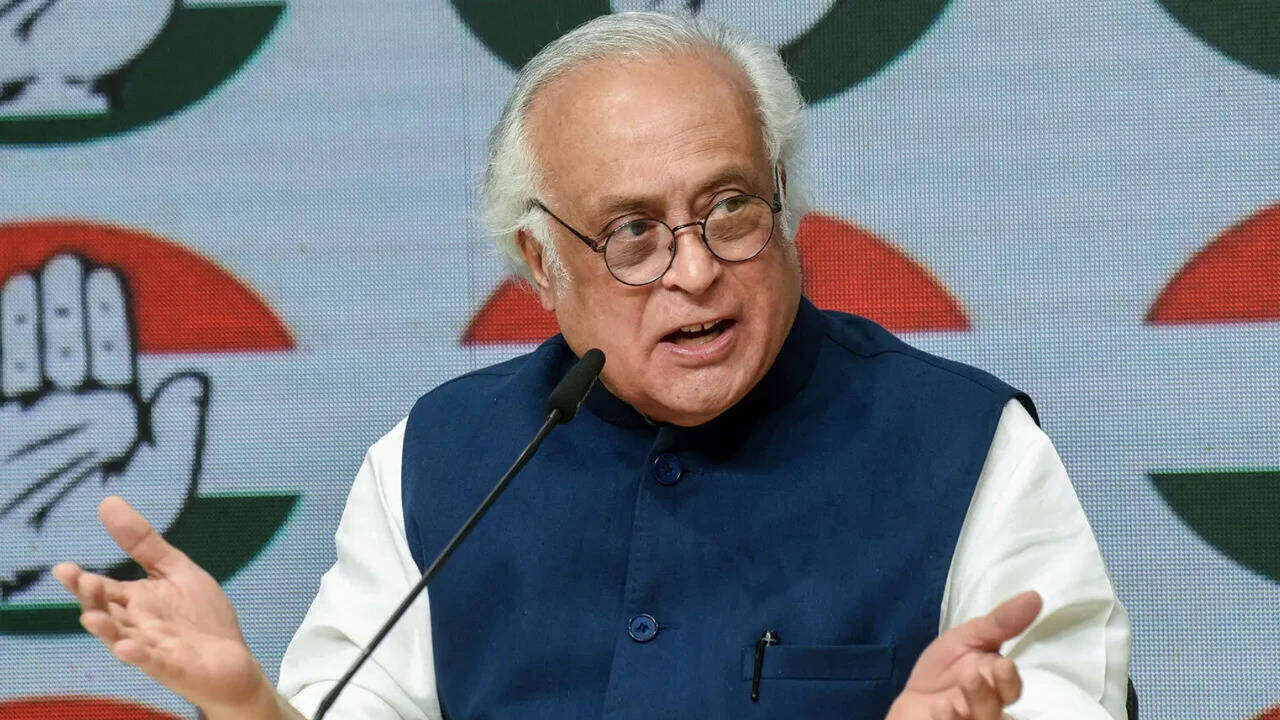
The grand old party has mounted a fierce verbal assault, characterizing the prolonged limbo as a calculated strategy. Senior opposition leaders claim that the ruling alliance is orchestrating maneuvers to secure political leverage. By avoiding the formal termination of the session, the government allegedly seeks to manage political numbers and legislative optics more tightly.
- Accusations of circumventing democratic debate and parliamentary scrutiny.
- Claims of strategic manipulation regarding political majorities.
- Demands for immediate transparency concerning legislative schedules.
Response from the Ruling Establishment
While the opposition continues its verbal barrage, defenders of the administration argue that procedural timelines follow established legal precedents. They maintain that administrative decisions regarding legislative calendars are made based on upcoming institutional requirements and strategic planning rather than political expediency.
Constitutional Context of Prorogation
Examining historical precedents reveals that sessions are typically prorogued shortly after substantive legislative business wraps up. A prolonged gap between the end of active debates and the formal termination of a session is rare and invites scrutiny. Constitutional experts note that while the executive possesses discretionary space here, institutional norms dictate timely closure to uphold the dignity of legislative proceedings.
Impact on Bills and Committees
A delayed prorogation directly impacts how pending legislative proposals and parliamentary committees operate. Uncertainty surrounding the active status of a session creates administrative bottlenecks, affecting lawmakers’ ability to review policy documents and hold executive agencies accountable.
Broader Implications for Governance
This ongoing dispute highlights the delicate balance of power between the executive and legislative branches. Healthy democracies rely on mutual respect for institutional traditions. When procedural timelines become subjects of bitter partisan warfare, public trust in governance structures can erode.
Conclusion
In summary, the ongoing debate surrounding the parliamentary timeline underscores deep-seated tensions between the ruling administration and the opposition. As accusations fly regarding political maneuvering and strategic advantages, the core issue remains the preservation of institutional transparency and constitutional propriety. Moving forward, adherence to established parliamentary norms will be critical in restoring absolute faith in legislative operations.