

Table of Contents
Introduction to Mindful Art
Mandala workshop in Madurai initiatives are transforming how local residents approach mental wellness and personal growth. In today’s fast-paced digital environment, finding effective tools for mental clarity is essential. Traditional art forms offer a therapeutic outlet, helping individuals disconnect from daily stressors and reconnect with their inner selves. Through intentional geometric patterns and structured creative practices, participants find a profound sense of peace and psychological balance.
Art therapy and mindful drawing have gained substantial recognition within wellness communities. By focusing on repetitive shapes and symmetrical designs, practitioners enter a state of relaxed concentration. This article explores how modern creative sessions blend traditional visual arts with reflective writing to promote emotional healing.
The Power of the Madurai Mandala Workshop
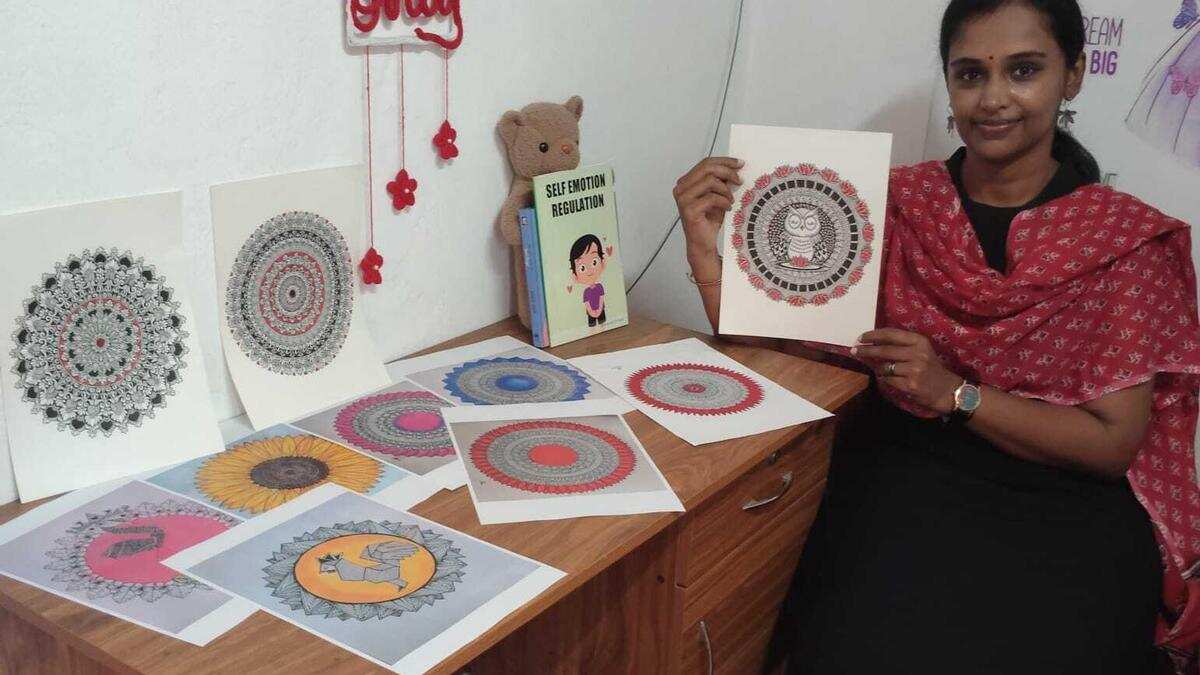
Facilitated by local artist B Shangamithra, specialized 10-day creative programs in Tamil Nadu’s cultural capital focus heavily on internal exploration. Rather than teaching mere technical illustration, these sessions use structured visual patterns as a mirror for the mind. Participants learn to slow down, observe their thoughts without judgment, and translate their emotional states onto paper.

Participants engaged in a mindful drawing session during the local art program.
Structuring the 10-Day Journey
The extended duration of the program allows attendees to develop a consistent creative habit. Each day introduces new concepts:
- Day 1-3: Introduction to basic geometric symmetry and calming breathing exercises.
- Day 4-7: Exploring complex radial patterns and emotional color palettes.
- Day 8-10: Combining visual artwork with targeted self-reflection journaling prompts.
Benefits of Mandala Drawing
Engaging with circular sacred geometry yields numerous cognitive and psychological advantages. Scientific studies suggest that repetitive drawing reduces cortisol levels and activates the parasympathetic nervous system.
Key Psychological Advantages
- Enhanced focus and sustained attention span
- Significant reduction in anxiety and mental fatigue
- Improved emotional regulation through non-verbal expression
When individuals construct these intricate circular designs, they engage both hemispheres of the brain. The analytical mind manages the symmetry and layout, while the creative side selects colors and organic flourishes.
Integrating Journaling Techniques
Drawing alone provides a powerful release, but pairing it with reflective writing amplifies the therapeutic outcome. After completing a daily visual session, attendees record their immediate thoughts, physical sensations, and emotional realizations.
Effective Reflective Writing Prompts
- What emotions surfaced while working on the outer layers of the design?
- How does the central focal point of your artwork represent your current state of mind?
- What specific thoughts did you successfully let go of during the creative process?
Conclusion
The integration of mindful illustration and expressive writing offers a robust framework for personal development. Programs focused on self-awareness remind us of the importance of pausing amidst modern chaos. By embracing these creative traditions, individuals unlock deeper levels of introspection and emotional resilience, paving the way for lasting mental well-being.