
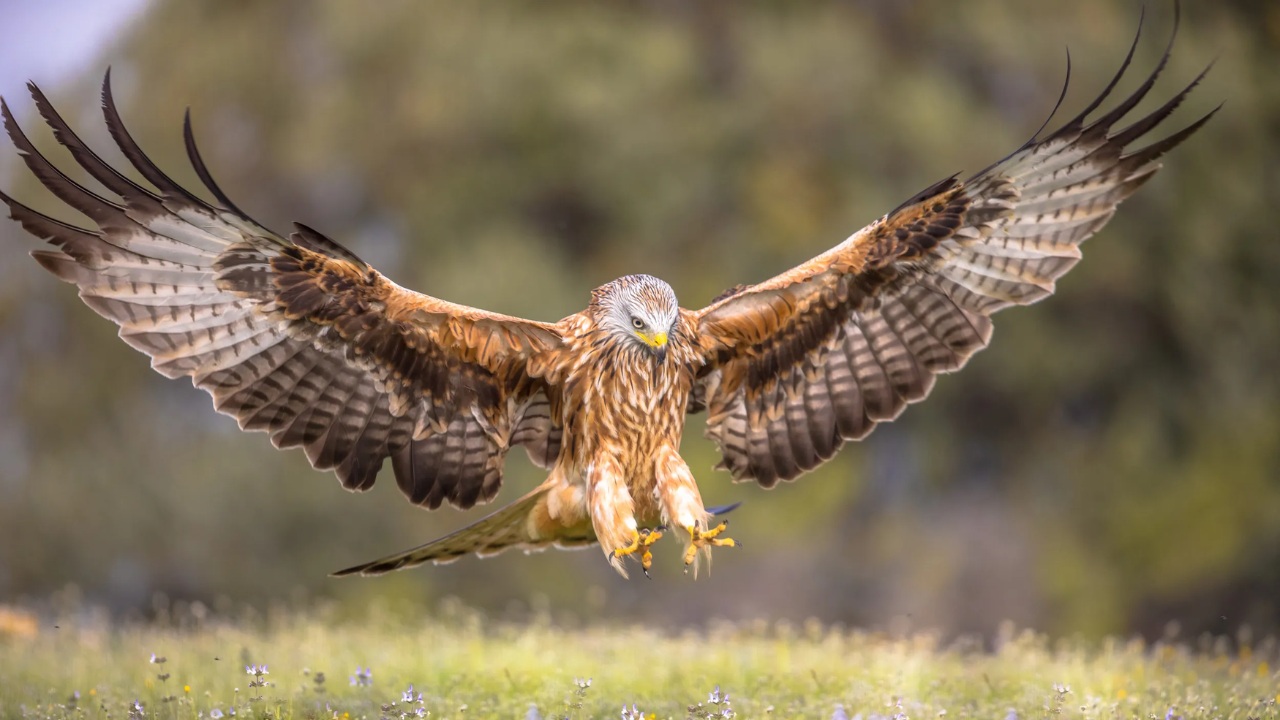

Red kite recovery efforts stand out as one of the most remarkable environmental success stories in modern British history. Once pushed to the absolute brink of extinction due to centuries of relentless persecution, habitat loss, and poisoning, these majestic raptors have made an astonishing comeback. In 1989, British conservationists launched a visionary project to bring the species back from the dead, transporting healthy breeding stock from habitats in Spain and Sweden. Today, their populations have skyrocketed by well over 2,600 percent, transforming the skies above England, Scotland, Wales, and Northern Ireland.
Table of Contents
Historical Context and Persecution
The historical relationship between humans and the red kite is fraught with conflict and misunderstanding. During the Middle Ages, these birds were actually protected by royal decree in Britain because they served a vital sanitation role, scavenging refuse and rotting carcasses from crowded medieval town streets. William Shakespeare even famously referenced their nesting habits in his plays. However, shifting societal attitudes during the agricultural revolution drastically changed their fate.
As gamekeeping intensified during the 18th and 19th centuries, landowners and gamekeepers increasingly viewed all birds of prey as direct threats to game populations and livestock. Red kites were systematically targeted using traps, firearms, and deadly poisons. By the early 20th century, this sustained persecution reduced the British population to a microscopic fraction of its historical numbers, ultimately surviving only in a tiny, isolated pocket of central Wales.
The Welsh Survival Story
For decades, the Welsh population remained the sole stronghold for the species in the United Kingdom. Despite strict local protection measures, these birds struggled to expand their range due to low genetic diversity, illegal poisoning incidents, and slow reproductive rates. Conservationists realized that local protection alone would never be enough to restore the species to its former glory across the wider British landscape. A bold, large-scale intervention was desperately required.
The 1989 Reintroduction Turning Point
The modern era of the red kite recovery officially began in 1989, marking a massive milestone in European wildlife conservation. Joint initiatives led by the Nature Conservancy Council (now Natural England and Natural Resources Wales) alongside the Royal Society for the Protection of Birds (RSPB) orchestrated a meticulous translocation program.
Young birds were carefully sourced from stable, healthy populations in Sweden and Spain and released into carefully selected habitats in the Chiltern Hills and parts of Scotland. These specific regions offered a mix of mature woodland for nesting and expansive open pasture for hunting.

Translocation Methodology
The translocation process was executed with extreme scientific precision. Biologists monitored the imported nestlings in specially constructed release aviaries, ensuring they adapted successfully to the British climate and learned natural foraging behaviors before gaining full freedom. This careful approach minimized stress and maximized survival rates during the critical initial release phase.
Astronomical Population Growth and Expansion
Since official tracking milestones began in 1995, the numbers have exceeded even the most optimistic projections of early conservationists. The red kite recovery has surpassed a staggering 2,600 percent increase in population size. From fewer than 10 breeding pairs confined exclusively to Wales, the population now numbers in the thousands, with breeding pairs firmly established across rural and semi-urban landscapes throughout England, Scotland, and Northern Ireland.
| Metric | Historical Low (1980s) | Modern Status |
|---|---|---|
| Breeding Pairs | Fewer than 10 | Thousands |
| Geographic Range | Central Wales only | UK-wide (England, Scotland, Wales, N. Ireland) |
| Population Trend | Critical Decline | +2,600% Growth |
Birdwatchers and nature enthusiasts can now regularly spot their distinctively forked tails and rust-colored plumage soaring gracefully above motorways, farmlands, and suburban gardens alike.
Ongoing Threats and Conservation Vigilance
Despite this phenomenal conservation triumph, modern challenges continue to test wildlife experts. Conservation groups maintain active monitoring networks to safeguard the species against lingering hazards.
- Illegal Poisoning: Accidental or intentional ingestion of rodenticides and illegal baits remains a persistent danger.
- Collision Risks: High-voltage power lines and wind turbines occasionally pose hazards to young, inexperienced flyers.
- Habitat Fragmentation: Continued suburban development threatens the delicate balance of foraging grounds and nesting woods.
Public education and strict legal frameworks enforced by wildlife crime units remain essential tools in mitigating these ongoing risks, ensuring that future generations can continue to enjoy the sight of these incredible birds.
Conclusion
The incredible saga of the red kite recovery serves as a powerful testament to what dedicated environmental stewardship can achieve. What began in 1989 as a desperate bid to save a dying subspecies has blossomed into a nationwide ecological triumph. By combining international cooperation, scientific rigor, and vigilant public support, Britain successfully welcomed back one of its most iconic aerial predators, proving that human intervention can successfully heal wounded ecosystems.