

Table of Contents
Introduction
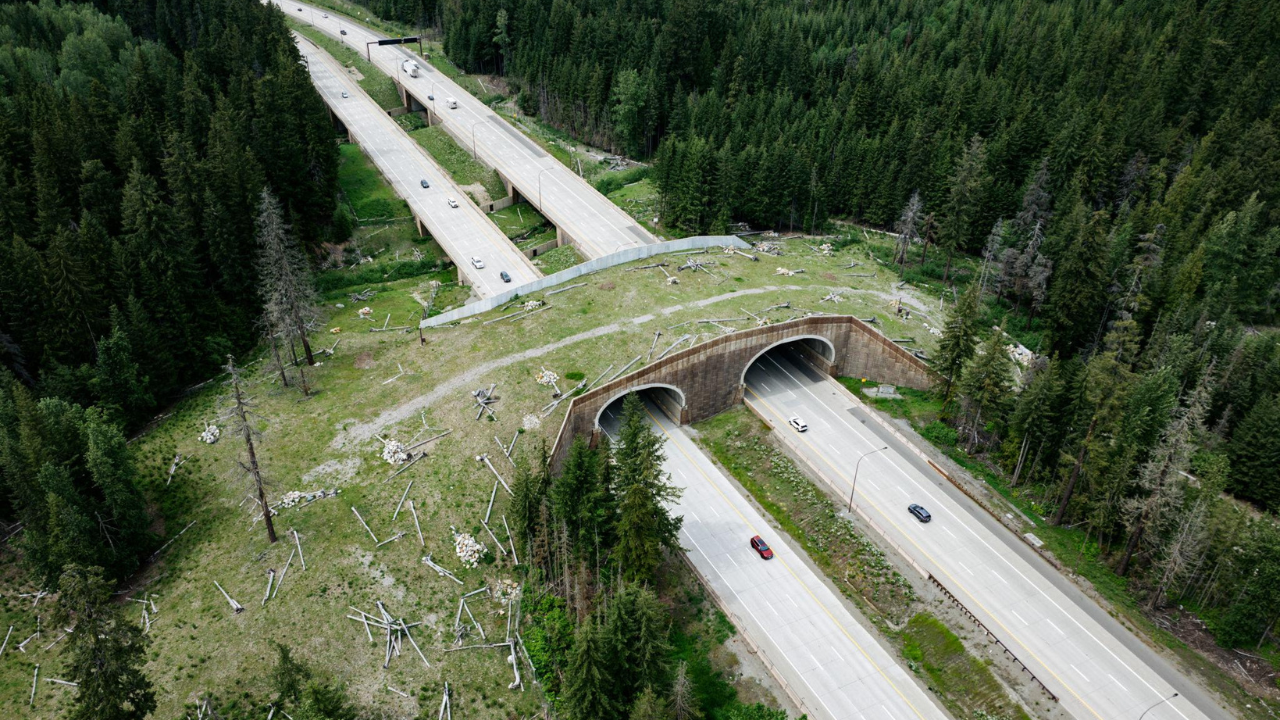
Wildlife bridges have emerged as an essential infrastructure solution for modern ecological challenges. When transportation networks expand, natural habitats become heavily fragmented, putting countless native species at risk. In Washington, a groundbreaking initiative has dramatically altered this narrative. Over 10,000 animals have utilized newly constructed overpasses and underpasses to safely navigate dangerous vehicular corridors.
This remarkable achievement underscores the effectiveness of thoughtful urban planning and ecological restoration. By bridging the gap between divided ecosystems, conservationists and transportation authorities are proving that human development and wildlife preservation can successfully coexist.

The Crossing Crisis on Our Highways
The intersection of high-speed traffic and migratory animal pathways creates a persistent hazard for both motorists and fauna. Every year, millions of wildlife-vehicle collisions occur worldwide, leading to significant property damage, human injuries, and fatalities. Furthermore, these incidents devastate local animal populations, particularly large mammals that require vast roaming territories.
Habitat Fragmentation
As asphalt ribbons cut through ancient migration routes, animal populations face severe isolation. Genetic diversity declines when species cannot safely travel to find mating partners or abundant food sources. Addressing this fragmentation requires innovative engineering that prioritizes ecological connectivity alongside human mobility.
How Wildlife Bridges Work
Designing an effective wildlife bridge involves much more than simply pouring concrete over a highway. Experts carefully study animal behavior, seasonal migration patterns, and local topography to determine the optimal placement for these structures.
Key Design Principles
- Natural Landscaping: Bridges are heavily planted with native trees, shrubs, and grasses to mimic the surrounding natural environment.
- Acoustic and Visual Barriers: Fencing and sound walls guide animals toward the crossing while shielding them from the glare and noise of passing vehicles.
- Hub integration connecting previously separated protected lands to maximize ecological impact.

Success Metrics and Statistics
Monitoring the efficacy of these green overpasses requires advanced technology, including motion-sensor trail cameras and tracking collars. The data collected from the Washington installations reveals an astounding milestone: more than 10,000 animals have traversed the structures without incident.
| Animal Category | Observed Crossing Frequency | Primary Season |
|---|---|---|
| Large Ungulates (Deer/Elk) | High | Autumn/Spring |
| Medium Mammals (Coyotes/Bobcats) | Consistent | Year-round |
| Small Fauna & Amphibians | Moderate | Summer |
Future Outlook for Conservation
The success of the Washington project serves as a compelling model for other regions grappling with similar environmental challenges. Transportation departments nationwide are taking notice, allocating increased funding for green infrastructure projects. As climate change shifts traditional migration ranges, maintaining these ecological pathways becomes even more critical for long-term species survival.
Conclusion
The milestone of over 10,000 safe crossings on wildlife bridges in Washington highlights a transformative victory for conservation engineering. By investing in thoughtful infrastructure that respects natural migratory routes, communities can drastically reduce accidents and protect biodiversity for future generations.