
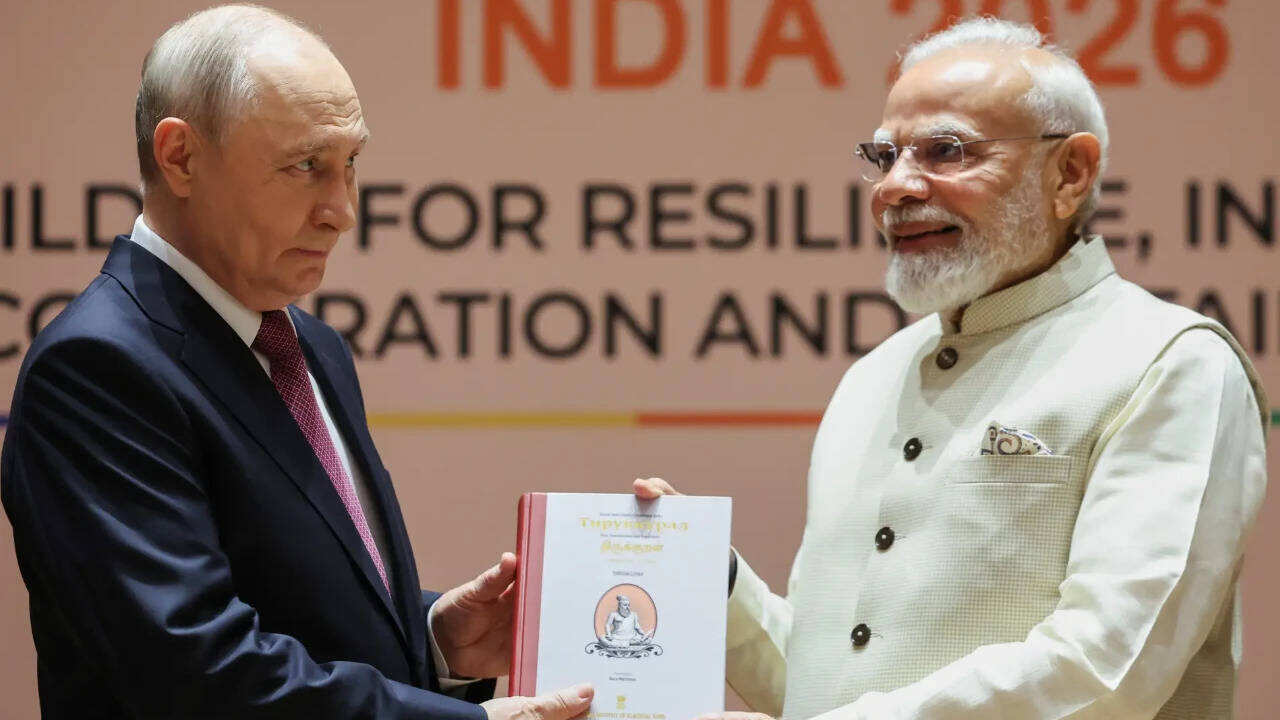

Modi peace diplomacy remains at the forefront of international relations as global leaders intensify efforts to resolve the ongoing conflict in Eastern Europe. Indian Prime Minister Narendra Modi recently reiterated his steadfast message of peace during high-level discussions with Russian President Vladimir Putin. As diplomatic channels expand and international pressure mounts, the quest for a sustainable resolution enters a crucial new phase.
Table of Contents
Introduction to Modi Peace Diplomacy
The geopolitical landscape of 2026 is defined by complex alliances and ongoing regional tensions. Amidst these challenges, India has consistently maintained a neutral yet proactive stance, advocating for dialogue and diplomacy rather than military escalation. Modi peace diplomacy seeks to bridge the gap between opposing global factions, utilizing New Delhi’s unique strategic positioning to foster meaningful conversations.
The Evolving Indian Stance on Global Conflict
India’s foreign policy has historically emphasized strategic autonomy. In the context of the current crisis, this approach allows New Delhi to maintain robust economic ties with traditional partners while simultaneously urging an immediate cessation of hostilities.
Key pillars of India’s diplomatic framework include:
- Unwavering commitment to international law and territorial integrity.
- Advocacy for dialogue and direct negotiations between warring parties.
- Provision of humanitarian assistance to affected populations.
- Active engagement with both Western allies and Eastern partners.
Key Takeaways from the Bilateral Discussions
During the recent summit, the dialogue between New Delhi and Moscow touched upon multiple facets of bilateral cooperation, with a primary emphasis on restoring regional stability. Modi peace diplomacy was clearly articulated, stressing that this era must not be defined by war.
Observers note that while economic transactions—particularly energy trade—continue to anchor the partnership, political engagements increasingly focus on finding a viable exit strategy from the protracted conflict.
International Reactions and Momentum
The global community has closely monitored these developments. Western capitals have welcomed India’s active engagement, viewing New Delhi as a credible interlocutor capable of conveying essential messages directly to Moscow.
| Actor | Stance on Modi Peace Diplomacy | Expected Impact |
|---|---|---|
| Western Nations | Cautiously Optimistic | Enhances dialogue channels with Russia |
| Global South | Highly Supportive | Promotes multilateralism and economic stability |
| Moscow | Receptive/Pragmatic | Maintains strategic partnership while noting concerns |
Conclusion
As diplomatic momentum accelerates, Modi peace diplomacy continues to play a vital role in shaping the narrative around global conflict resolution. By championing dialogue and maintaining open channels with all major stakeholders, India reinforces its position as an indispensable pillar of international peace and stability in 2026.