

Table of Contents
Introduction
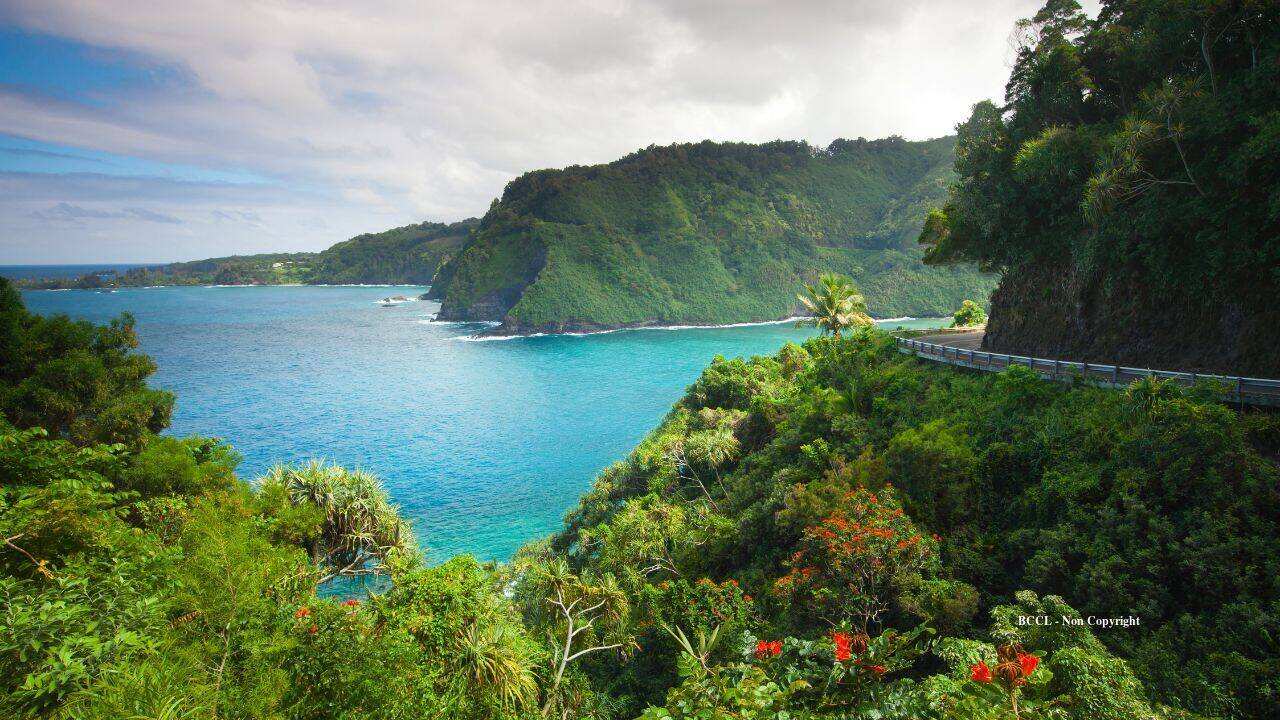
Red mangroves invasive species issues have become a prominent environmental concern across the Hawaiian Islands. Originally planted over a century ago with noble intentions, these resilient trees have transformed from coastal stabilizers into aggressive invaders. Today, conservationists and environmental agencies face daunting tasks as these dense coastal forests choke vital waterways and threaten the survival of critically endangered indigenous fauna.
Dense thickets of invasive coastal vegetation alter natural tidal flows and degrade native bird habitats.
The 1902 Introduction of Red Mangroves
Understanding the current ecological crisis requires looking back to the year 1902. At the turn of the twentieth century, the Hawaiian sugar industry was booming, leading to extensive agricultural runoff and severe coastal erosion. In an effort to stabilize fragile shorelines and trap eroding sediment, botanists and industry leaders imported the American red mangrove (Rhizophora mangle) from Florida.
At the time, the introduction was viewed as a triumph of applied conservation and civil engineering. The trees quickly took root in the soft mud of estuaries and coastal flats, establishing sprawling prop root systems that effectively held the soil in place. However, without their natural predators, diseases, and the rigorous environmental pressures of their native habitats, these plants began to multiply unchecked.
Impact on Native Ecosystems and Waterbirds
More than a century later, the ecological trade-offs of the 1902 introduction have proven devastating. While the trees do prevent shoreline erosion, their dense, impenetrable thickets have fundamentally altered Hawaii’s delicate coastal wetlands. They trap excessive sediment, slowly filling in shallow bays, fishponds, and estuaries that are crucial for marine life and coastal hydrology.
Furthermore, these thickets directly threaten several native and endemic waterbird species, including:
- The Hawaiian stoot (alae keokeo)
- The Hawaiian gallinule (alae ula)
- The Hawaiian coot and stilt populations
These birds rely on open, shallow mudflats and wetlands to forage for food and raise their young safely. The rapid spread of red mangroves eliminates these open feeding grounds, restricting their habitat and leaving them vulnerable to introduced mammalian predators that find safe hiding spots within the dense mangrove canopy.
Current Challenges in Eradication
Eradicating a species that has had 124 years to establish deep roots and widespread seed dispersal is exceptionally difficult and expensive. Land managers utilize a combination of mechanical removal, herbicide application, and community volunteer efforts to clear the trees. Unlike native species, cut red mangrove stumps can easily resprout if not treated properly, requiring meticulous follow-up care to ensure complete removal.
Conservation groups often balance the immediate aesthetic and ecological damage caused by the trees with the long-term restoration goals of returning the wetlands to their original, pre-1902 states. Successful restoration projects demonstrate that native birds and fish populations can rebound quickly once open wetlands are successfully reclaimed.
Conclusion
The century-long legacy of Hawaii’s red mangroves serves as a classic cautionary tale of well-intentioned ecological intervention. What began as a shoreline stabilization project in 1902 has evolved into a complex environmental challenge. Addressing this ongoing crisis requires sustained funding, community engagement, and strategic planning to protect Hawaii’s unique biodiversity and restore natural waterways for future generations.