

Table of Contents
- Introduction to the BRICS Dynamic
- The Evolution of BRICS and Global Realignment
- India’s Diplomatic Tightrope Walk
- Iran’s Cameo and Middle Eastern Geopolitics
- Navigating US-China Strategic Competition
- Conclusion
Introduction to the BRICS Dynamic
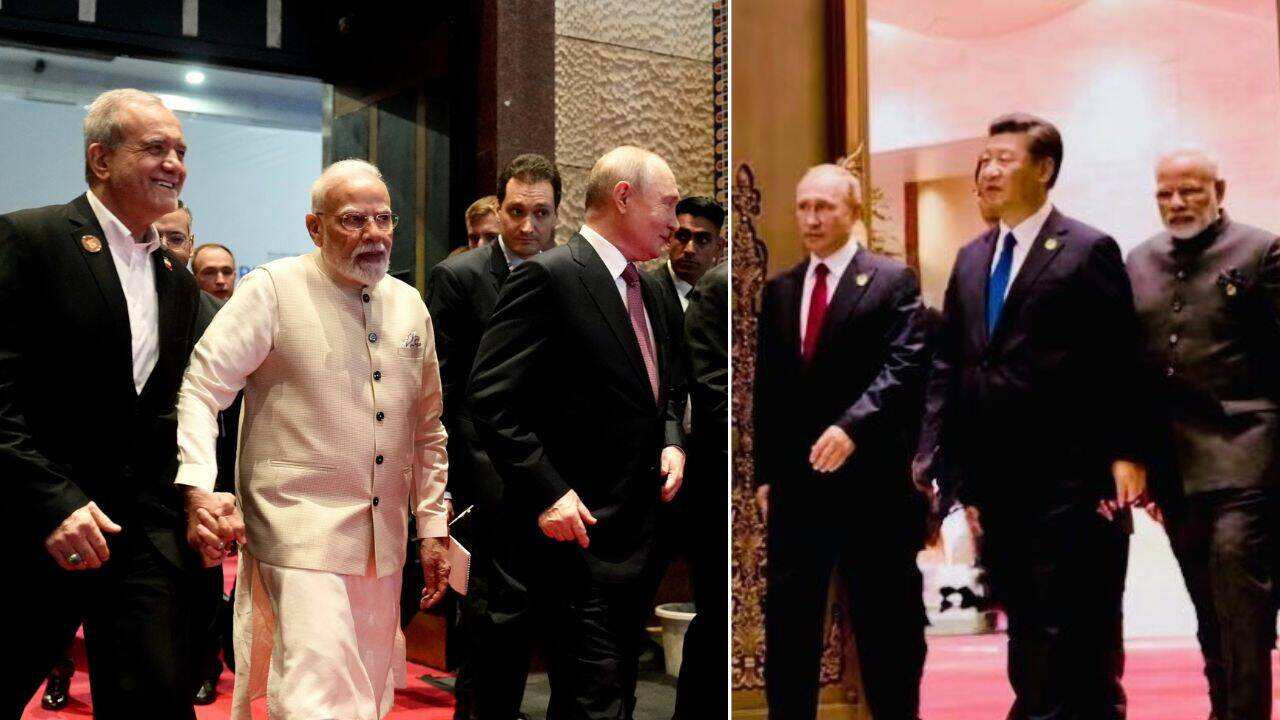
As the international political landscape undergoes profound transformations, the BRICS summit has once again emerged as a critical focal point for global diplomacy. BRICS expansion represents a shifting paradigm in international relations, challenging traditional Western-led economic and political frameworks. Against the backdrop of evolving US trade policies and intense great-power competition, emerging economies are forced to recalibrate their foreign policy strategies. India, in particular, finds itself navigating a complex diplomatic tightrope, balancing its historical non-aligned stance with modern geopolitical imperatives.

Understanding these intricate diplomatic maneuvers requires a close examination of how multilateral institutions operate in an increasingly multipolar world. Leaders from various member states converge to discuss alternative financial systems, security cooperation, and regional stability. However, underlying these cooperative agendas are competing national interests, most notably the strategic rivalry between Beijing and Washington.
The Evolution of BRICS and Global Realignment
Originally conceived as an acronym for emerging market investment potential, BRICS has transformed into a formal geopolitical bloc. The inclusion of new member states over recent years signals a concerted effort by developing nations to amplify their voice in global governance. This evolution has profound implications for international trade, energy security, and diplomatic alliances.
Key Milestones in BRICS Expansion
- Initial formation comprising Brazil, Russia, India, China, and South Africa.
- Expansion to include major energy producers and regional powers.
- Ongoing discussions regarding alternative payment mechanisms to reduce dollar dominance.
The bloc’s growing influence has naturally attracted scrutiny from Western capitals. Critics often view the coalition as an anti-Western club, while proponents frame it as a necessary counterweight to ensure a more equitable international order. This dichotomy places pivotal members like New Delhi in a unique position of influence and vulnerability.
India’s Diplomatic Tightrope Walk
India’s foreign policy has historically been anchored in strategic autonomy. In the context of contemporary BRICS summits, maintaining this independence is more challenging than ever. New Delhi must carefully manage its bilateral ties with the United States while participating in a bloc where China exerts significant economic and political leverage.
Managing Multilateral Platforms Amid Rivalries
Participating in BRICS does not mean aligning with Beijing’s geopolitical ambitions. Instead, New Delhi utilizes the platform to advocate for reformed multilateralism, fair trade practices, and the representation of the Global South. At the same time, security concerns along the disputed border with China require a pragmatic and cautious approach.
| Strategic Priority | Diplomatic Approach | Key Challenge |
|---|---|---|
| Global South Representation | Active engagement in BRICS forums | Balancing diverse member interests |
| US Relations | Deepening defense and technological ties | Managing friction over trade and regional stances |
| Border Security | Pragmatic engagement and direct talks | Persistent strategic distrust with Beijing |
As economic pressures mount, policymakers in New Delhi must continuously evaluate the costs and benefits of multilateral participation. The overarching goal remains clear: protect national interests without falling into rigid bloc-to-bloc confrontations.
Iran’s Cameo and Middle Eastern Geopolitics
The integration of Iran into the broader diplomatic architecture adds another layer of complexity. Tehran’s presence at recent summits highlights the changing dynamics of Middle Eastern security and energy markets. For India, relations with Iran are crucial for regional connectivity, particularly concerning trade routes accessing Central Asia and Afghanistan.
However, Tehran’s tense relations with Western nations present a persistent diplomatic hurdle. New Delhi maintains a delicate balancing act, preserving historical ties with Iran while expanding strategic partnerships with the United States, Israel, and Gulf Arab states. This diplomatic dexterity ensures that India remains a trusted partner across conflicting geopolitical divides.
Navigating US-China Strategic Competition
The broader canvas of international relations is heavily influenced by the deepening rivalry between Washington and Beijing. Trade policies, technological decoupling, and security postures define this rivalry. For countries participating in BRICS, avoiding collateral damage from this superpower competition is a paramount concern.
Economic interdependence complicates any simplistic division of the world into opposing camps. Emerging economies rely on both Western markets for growth and Asian supply chains for manufacturing inputs. Consequently, pragmatic diplomacy and strategic hedging have become the standard operating procedures for regional powers.
Conclusion
In summary, contemporary multilateral summits underscore the delicate art of modern statecraft. As emerging economies seek a greater voice in global affairs, traditional alliances are tested and redefined. India’s ability to walk the diplomatic tightrope will remain a defining feature of its foreign policy, ensuring national sovereignty and regional stability in an increasingly unpredictable world.