

Table of Contents
Introduction to India China Relations
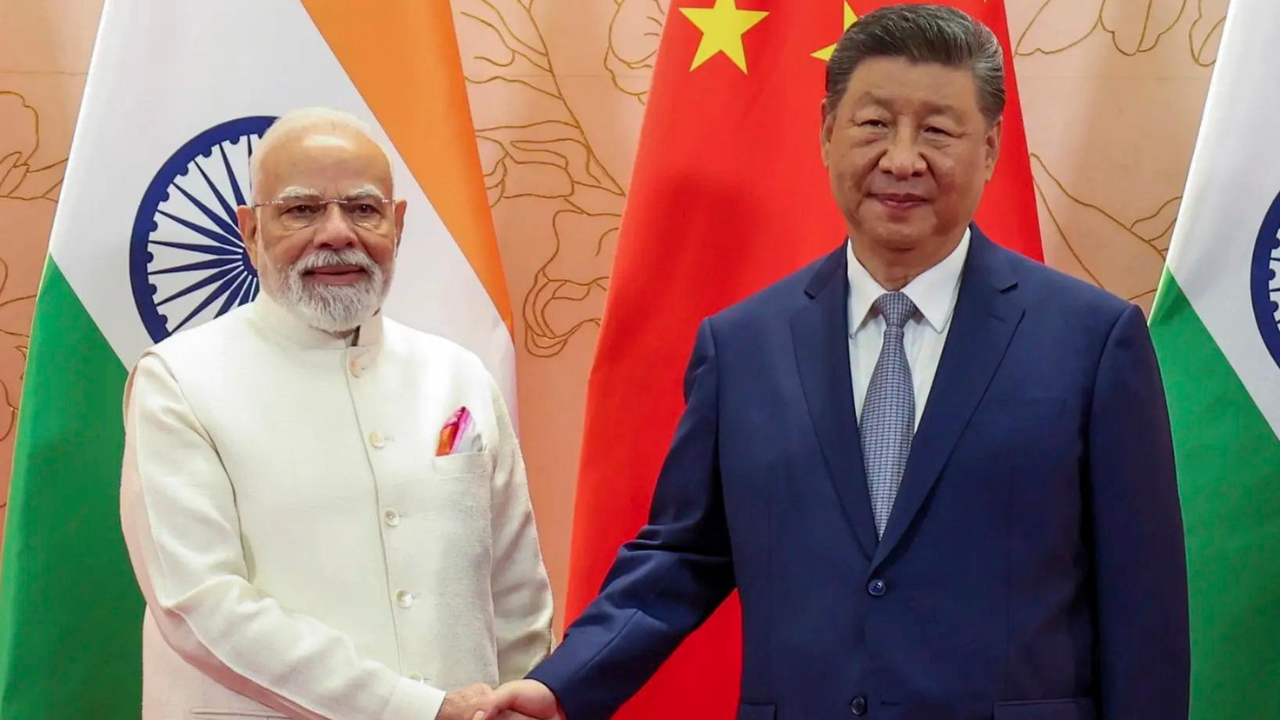
India China relations have entered a fascinating phase as diplomatic channels open up for high-level dialogue. The upcoming diplomatic engagement between Prime Minister Narendra Modi and President Xi Jinping marks a crucial milestone in modern geopolitics. Both Asian giants share a complex history marked by economic cooperation, strategic competition, and lingering territorial disputes. Understanding this dynamic is essential for anyone following international relations and global economic trends.

The Diplomatic Shift and Beijing Stance
Recently, Beijing has signaled a remarkably cooperative tone, expressing a desire to work closely with New Delhi and foster friendship. This rhetorical shift suggests a willingness to ease regional tensions following years of military disengagement along the disputed border. Analysts note that geopolitical pressures and economic realities are prompting both nations to seek stable diplomatic platforms rather than prolonged confrontation.
Key Diplomatic Statements
Official statements from Chinese representatives emphasize mutual trust and regional stability. Key aspects of this diplomatic thaw include:
- Commitment to peaceful dialogue regarding border management
- Encouragement of cultural and economic exchanges
- Recognition of multipolar global dynamics
Historical Context of Border Standoffs
To fully grasp the significance of the Modi-Xi meeting, one must examine the historical backdrop of bilateral friction. The 2020 Galwan Valley clash severely deteriorated diplomatic ties, leading to a freeze in regular bilateral exchanges and heightened military preparedness in the Himalayas. Subsequent diplomatic and military talks have gradually established troop disengagement in friction points like Pangong Tso and Gogra-Hot Springs, paving the way for renewed political engagement.

Economic Impact and Bilateral Trade
Despite political friction, economic ties between the two countries remain robust and deeply interconnected. India continues to import essential electronics, active pharmaceutical ingredients (APIs), and heavy machinery components from its northern neighbor. A stable political climate would undoubtedly boost cross-border investments and streamline supply chains for businesses operating in both nations.
Bilateral Trade Overview
The following table outlines the general trajectory of economic exchanges:
| Metric | Status |
|---|---|
| Total Trade Volume | Exceeds USD 100 Billion annually |
| Major Imports from China | Electronics, Telecom Gear, Chemicals |
| Major Exports to China | Raw Materials, Ores, Organic Chemicals |
Future Outlook and Conclusion
As leaders prepare for discussions in New Delhi, the global community watches closely. While deep-seated strategic mistrust cannot be erased overnight, pragmatic engagement offers a viable pathway toward peaceful coexistence. The success of this summit will depend heavily on sustained commitment to diplomatic protocols and mutual respect for sovereignty. Ultimately, balanced cooperation between New Delhi and Beijing will shape the future security and prosperity of the entire Asian continent.