
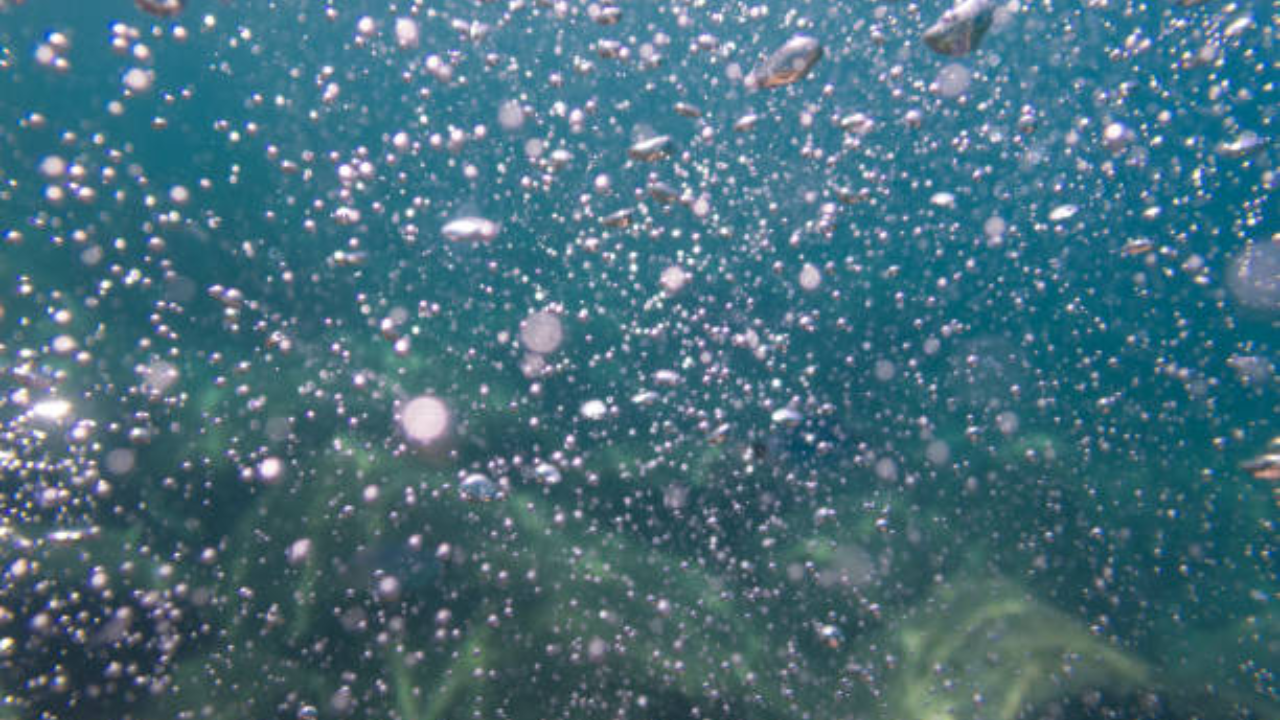

When a massive methane leak erupted in the South China Sea following a 2018 drilling incident, it created an imposing plume stretching over one kilometer high into the water column. Such catastrophic events typically spell disaster for deep-sea environments. However, marine researchers observed an astonishingly swift ecological turnaround. Within just two years, specialized bacteria and prolific worms constructed a dense ‘worm bed,’ acting as a biological filter that rapidly consumed the gas and drastically reduced the plume. This remarkable phenomenon has challenged existing scientific theories regarding deep-sea recovery timelines and ecosystem adaptation under extreme stress.
Table of Contents
The 2018 South China Sea Incident
Accidental underwater blowouts and industrial drilling mishaps pose severe risks to fragile marine habitats. In 2018, an uncontrolled release of hydrocarbons in the South China Sea generated a towering plume of gas that startled marine conservationists. Initially, scientists feared prolonged ecological degradation. The sheer volume of the discharge threatened to smother local fauna and create vast dead zones devoid of oxygen.
Deep-sea environments exist under immense pressure, pitch darkness, and near-freezing temperatures. Chemical releases in these settings usually take decades to dissipate naturally. Yet, nature often proves more resilient than anticipated, launching immediate chemical and biological countermeasures against sudden toxic inputs.
How the Methane Leak Ecosystem Formed
Instead of remaining a sterile zone of destruction, the site of the methane leak transformed into a bustling biological laboratory. Within an exceptionally short timeframe of 24 months, specialized organisms mobilized to process the abundance of carbon. This sudden availability of chemical energy fueled unprecedented biological activity.
Figure 1: Deep-sea research vessels and autonomous submersibles help scientists monitor underwater ecological shifts.
The Role of Bacteria and Worms
At the heart of this recovery were methanotrophic bacteria. These microscopic organisms feed directly on hydrocarbons, converting the greenhouse gas into energy. As these bacteria multiplied, they established a rich food source for larger invertebrate species, specifically tubeworms and other specialized benthic fauna.
Together, these organisms constructed what researchers describe as a sprawling ‘worm bed.’ This dense biological network functioned as a living biofilter, trapping and degrading the rising gas before it could spread further into the upper ocean layers. The efficiency of this natural cleanup crew surprised marine biologists worldwide.
Trade-Offs in Microbial Diversity
While the rapid formation of the biofilter successfully mitigated the environmental hazard, it came with a notable ecological trade-off. Researchers noted a sharp decline in the original microbial diversity within the affected zone. The sudden influx of energy heavily favored a few opportunistic species capable of consuming hydrocarbons.
| Ecological Factor | Before Methane Leak | Two Years Post-Incident |
|---|---|---|
| Microbial Diversity | High and balanced | Lower, dominated by methanotrophs |
| Biological Activity | Slow and oligotrophic | Rapid, high-density worm beds |
| Plume Height | Over 1 kilometer | Significantly reduced |
Implications for Future Marine Science
The lessons learned from the South China Sea event offer valuable insights for marine conservation strategies and industrial accountability. Understanding how natural biofilters operate can help experts design better remediation techniques for future industrial accidents.
Furthermore, these findings alter established models of marine succession. Scientists must now factor in rapid microbial adaptation when assessing the long-term impact of deep-sea hydrocarbon releases.
Conclusion
The swift transformation observed following the South China Sea incident highlights the remarkable resilience of deep-sea biology. Although a methane leak presents severe initial environmental challenges, specialized bacteria and worms can organize into functional biofilters within years. Balancing this rapid recovery with the preservation of baseline microbial diversity remains a crucial area of ongoing research for oceanographers worldwide.