

Table of Contents
- Introduction
- The Devastation of Hurricane Iris
- The Birth of Fragments of Hope
- Innovative Coral Restoration Techniques
- Ecological Impact and Biodiversity Growth
- Conclusion
Introduction
Coral restoration has become an essential practice for marine biologists worldwide as global climate pressures mount. In the beautiful waters of Central America, coral restoration projects in Belize have set a high standard for ecological recovery. Driven by the vision of dedicated scientists, damaged marine ecosystems are making a triumphant return from the brink of destruction. This comprehensive guide explores how targeted conservation efforts are transforming underwater landscapes and safeguarding marine life for future generations.
The Devastation of Hurricane Iris
In 2001, Hurricane Iris struck southern Belize with terrifying force. The powerful storm left a trail of destruction, severely impacting coastal communities and devastating delicate underwater habitats. Coral reefs, which act as natural barriers and support rich marine ecosystems, suffered catastrophic damage. Large sections of branching corals were smashed into rubble, leaving once-vibrant reefs barren and lifeless.
Historically, traditional conservation management often overlooked broken coral fragments, assuming they would naturally die off or fail to reattach. However, marine biologist Lisa Carne witnessed the aftermath firsthand and recognized potential in these discarded pieces. This pivotal moment sparked a revolutionary approach to marine conservation in the region.
The Immediate Aftermath on Local Fisheries
Beyond the immediate ecological loss, the destruction of the reef severely impacted local fishermen and communities reliant on marine tourism. A degraded reef means fewer fish, diminished coastal protection against future storms, and a sharp decline in overall ocean health. Recognizing the urgency of the situation, conservationists knew standard policies would not suffice; active intervention was mandatory.
The Birth of Fragments of Hope
Determined to reverse the damage, Lisa Carne founded Fragments of Hope, a community-based organization dedicated to restoring marine habitats. The initiative focused on a bold strategy: collecting loose, surviving coral fragments and replanting them in degraded areas to encourage rapid growth and natural propagation.
Unlike traditional laboratory-based coral farming, this grassroots organization emphasized scalable, field-based methods that could be executed directly within the affected marine reserves. By engaging local tour guides and fishermen, the project also fostered a deep sense of community ownership over the restored reef zones.
Empowering Local Communities
Engaging local stakeholders proved vital to the long-term success of the project. Fishermen transformed into stewards of the sea, utilizing their profound knowledge of local waters to identify optimal outplanting sites and monitor reef health. This collaborative model demonstrates how grassroots action can yield remarkable environmental results.
Innovative Coral Restoration Techniques
The success of the Belize initiative relies heavily on carefully refined restoration methodologies. Scientists focused primarily on fast-growing branching species, such as Elkhorn and Staghorn corals, which are critical for structural reef complexity.
- Fragment Selection: Identifying healthy, resilient donor colonies that demonstrate natural resistance to bleaching and disease.
- Nurseries: Culturing fragments in secure underwater nurseries to accelerate growth before final outplanting.
- Direct Attachment: Using marine-safe epoxy and natural wedging techniques to secure fragments onto stable reef substrate.
Breeding for Climate Resilience
As ocean temperatures rise, selecting heat-tolerant coral strains is paramount. The team closely monitors which fragments survive seasonal thermal stress, ensuring that future restoration generations possess higher resilience against bleaching events.
Ecological Impact and Biodiversity Growth
To date, the initiative has successfully outplanted more than 100,000 coral fragments across targeted sites in Belize. The results have exceeded initial expectations, transforming barren underwater expanses back into thriving habitats.
| Metric | Before Restoration | Current Status |
|---|---|---|
| Coral Cover | Extremely Low (<5%) | Significantly Increased (30%+) |
| Fish Populations | Sparse | Abundant and Diverse |
| Structural Complexity | Degraded Rubble | Intricate Habitats |
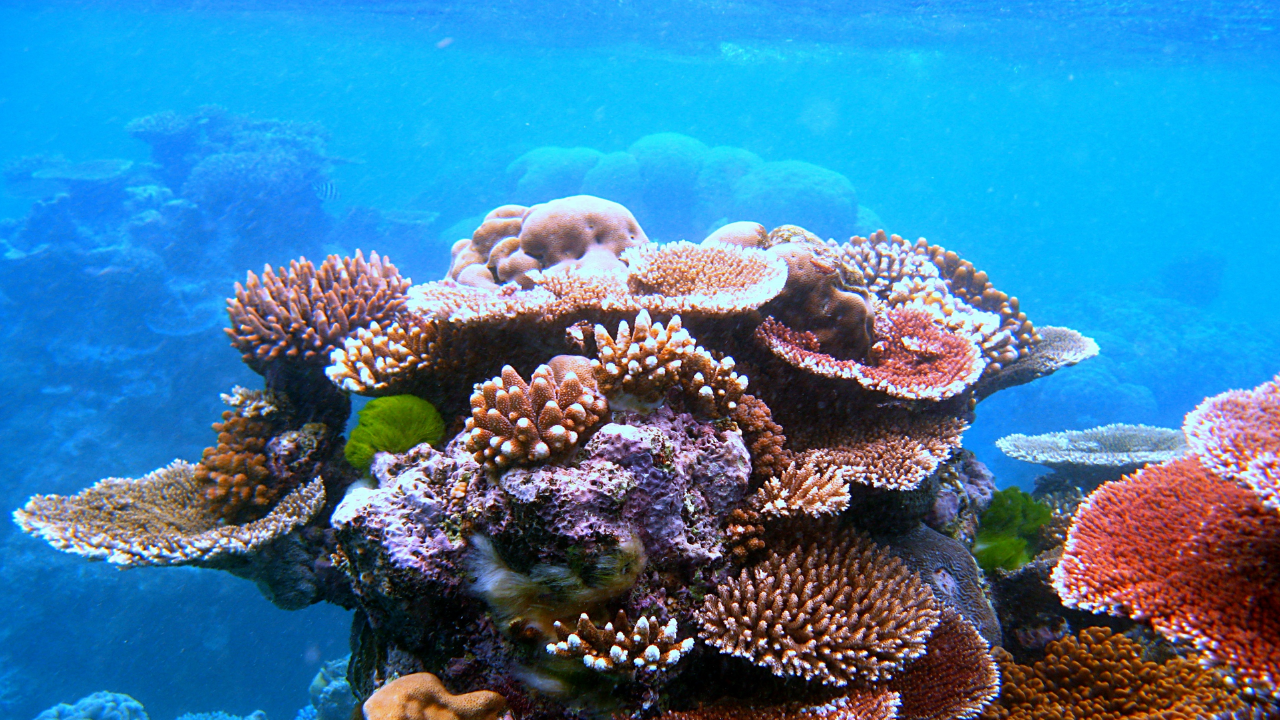
As the coral colonies expand, they provide essential shelter for numerous fish species, crustaceans, and endangered marine turtles. The return of biodiversity proves that active ecological intervention can successfully reverse severe storm damage.
Conclusion
The remarkable journey of coral reef recovery in Belize highlights the profound impact of dedicated conservation leadership. Through innovative techniques and community collaboration, damaged marine ecosystems can heal and thrive once more. As global environmental challenges persist, initiatives like Fragments of Hope provide a powerful blueprint for restoring our planet’s most vulnerable aquatic habitats.