


Table of Contents
- Introduction
- Understanding the Evidence: What the WHO Review Found
- The Historical Context of Vaccine Hesitancy
- Global Health Impact and Public Trust
- Conclusion
Introduction
Vaccine safety remains a cornerstone of modern public health initiatives across the globe. In recent findings released by global health authorities, exhaustive scientific evaluations continue to reassure the public regarding immunization protocols. The World Health Organization (WHO) has once again confirmed through a comprehensive review that there is no scientific link between vaccines and autism spectrum disorder. This definitive stance reinforces decades of robust medical research designed to protect children from preventable infectious diseases while addressing lingering public misconceptions.
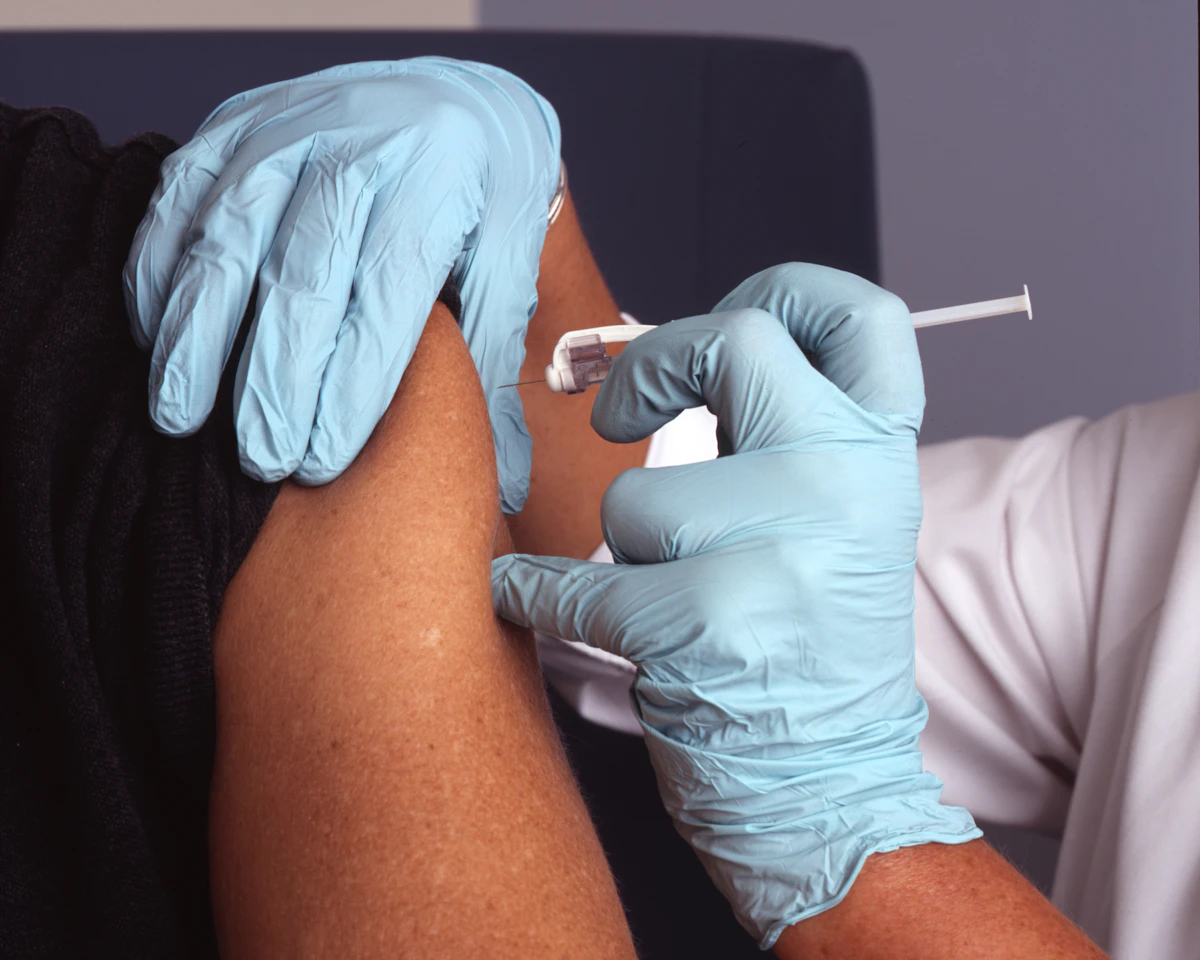
Addressing vaccine hesitancy requires continuous transparency, rigorous scientific inquiry, and clear communication from health organizations. As communities navigate complex health landscapes, understanding the depth of these reviews helps individuals make informed decisions based on empirical evidence rather than persistent myths.
Understanding the Evidence: What the WHO Review Found
The latest evaluation conducted by international experts involved analyzing massive datasets spanning multiple continents and millions of vaccinated individuals. The core objective was to look closely at epidemiological studies, clinical trials, and post-market surveillance data.
Key Methodologies Used in the Review
Researchers applied strict inclusion criteria to evaluate studies examining childhood immunization schedules, specific vaccine components like thimerosal, and combined inoculations such as the MMR (measles, mumps, and rubella) vaccine.
- Systematic reviews of peer-reviewed literature published over the last thirty years.
- Longitudinal cohort studies tracking developmental outcomes in children.
- Case-control studies comparing vaccinated and unvaccinated populations.
The consensus across all evaluated metrics was overwhelmingly consistent. No correlation was detected between receiving recommended childhood vaccines and the subsequent development of autism.
The Historical Context of Vaccine Hesitancy
To fully appreciate the significance of current global health declarations, one must examine where the controversy originated. The fear linking immunizations to developmental disorders largely traces back to a discredited 1998 paper that was later fully retracted by its publishing journal due to ethical violations and data falsification.

The Fallout of Discredited Claims
Despite the original study being thoroughly debunked by numerous independent investigations worldwide, the narrative unfortunately persisted through digital media channels. Public health agencies have since spent decades rebuilding trust through open data sharing and continuous monitoring programs.
- Extensive retractions published by scientific journals.
- Subsequent global studies involving millions of children reaffirming safety.
- Proactive community engagement by pediatric associations.
Understanding this background empowers parents to distinguish between verified scientific consensus and unfounded anecdotal claims found online.
Global Health Impact and Public Trust
Misinformation regarding immunization safety poses serious risks to community immunity, often referred to as herd immunity. When vaccination rates drop due to unfounded fears, preventable diseases such as measles and pertussis frequently resurface, endangering vulnerable populations including infants too young to be vaccinated and immunocompromised individuals.
| Metric | Finding | Source Implication |
|---|---|---|
| Global Dataset | Millions of children | Ensures high statistical power |
| Review Duration | Decades of data | Accounts for long-term trends |
| Consensus | Zero correlation | Affirms current immunization schedules |
Public health organizations emphasize that maintaining high vaccination coverage is essential for eradicating dangerous pathogens and safeguarding future generations.
Conclusion
In summary, the latest WHO review offers definitive reassurance regarding vaccine safety. Decades of comprehensive global research confirm that there is no link between immunizations and autism. By relying on transparent science and evidence-based medicine, communities can overcome persistent myths, protect vulnerable populations, and ensure a healthier future for all children.