

Table of Contents
Introduction: The Ramon Crater Restoration
Wild donkeys oasis projects have captured global scientific interest following a remarkable ecological transformation in one of Earth’s most extreme environments. Back in 1982, conservationists and researchers took a bold step to rejuvenate the parched landscape of Israel’s Ramon Crater by introducing a small population of 28 wild donkeys. Now, over four decades later, this intentional rewilding effort has yielded unprecedented environmental changes, turning a harsh and dry crater into a functional desert sanctuary that supports a diverse array of flora and fauna.

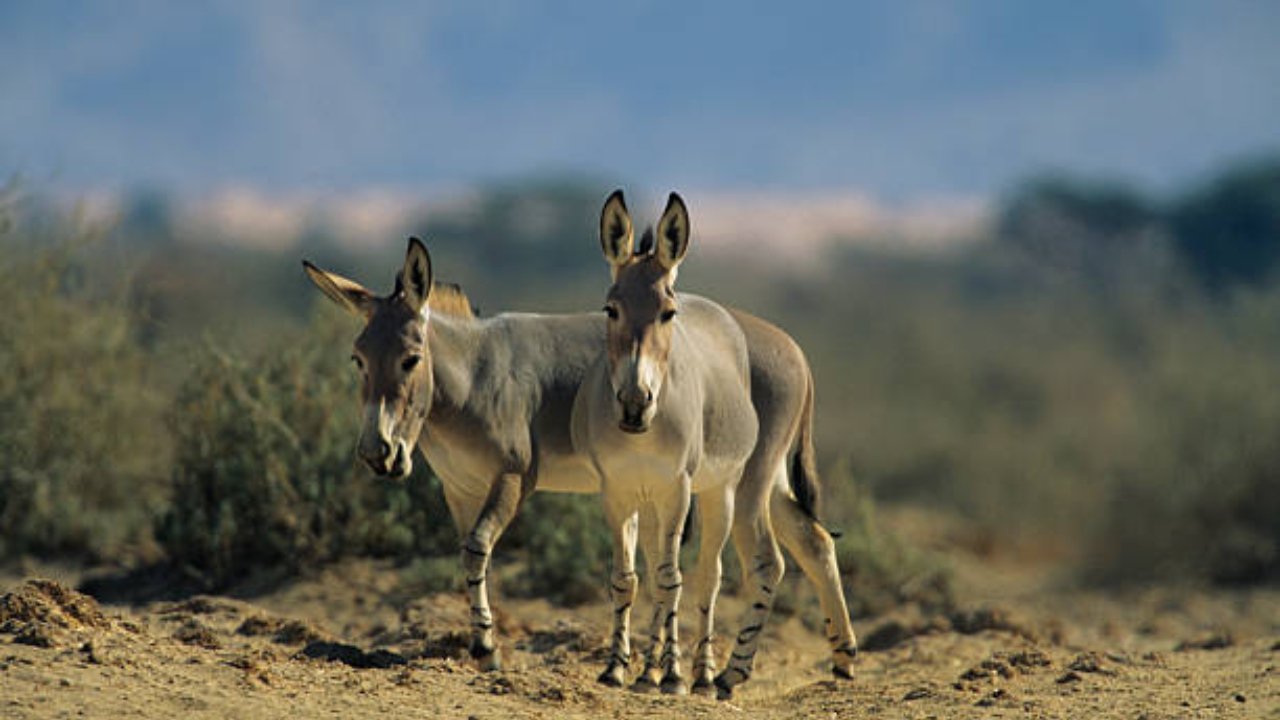
A herd of resilient wild donkeys navigating the rocky terrain of the Ramon Crater.
Historical Context of the 1982 Release
The Ramon Crater, or Makhtesh Ramon, is a massive geological erosive crater located in the Negev desert of southern Israel. Historically, human activity and shifting environmental pressures led to the depletion of various native megafauna and large herbivores that once helped shape the local ecosystem. Recognizing a critical void in the landscape’s natural processes, wildlife authorities decided to release 28 wild donkeys into the crater in 1982.
Initially, the move faced skepticism from critics who worried about potential overgrazing or negative impacts on fragile arid vegetation. However, the animals proved to be remarkably resilient. They adapted swiftly to the extreme climate, scorching temperatures, and scarce water resources, laying the groundwork for a fascinating ecological experiment.
How Wild Donkeys Engineered the Desert
Over the span of 44 years, these resilient mammals acted as quintessential ecosystem engineers. Their daily survival behaviors directly altered the physical landscape in several crucial ways:
- Waterhole Creation: By digging into dry riverbeds and subterranean moisture pockets using their hooves, the donkeys uncovered vital water sources.
- Seed Dispersal: Consuming tough desert vegetation allowed the donkeys to distribute viable acacia seeds through their droppings across vast distances.
- Soil Depression Formation: The repetitive trampling along specific pathways created water-retaining depressions that capture rare rainfall.
These combined actions successfully reversed decades of desertification in localized pockets, proving that certain introduced species can play restorative roles similar to extinct native herbivores.
Impact on Desert Wildlife and Flora
The transformation triggered by the donkey population extended far beyond simple moisture management. The newly formed waterholes became essential gathering spots for native desert wildlife, including birds, reptiles, and smaller mammals that previously struggled to survive the dry season.
Furthermore, the spread of acacia seeds via manure significantly boosted tree growth throughout the crater. These acacia trees provide crucial shade, shelter, and food sources for other endemic species, creating a balanced, thriving habitat where life previously fought a daily battle for survival.
Conclusion
The incredible success story of the 28 wild donkeys released into Israel’s Ramon Crater highlights the profound, long-term impact of targeted rewilding initiatives. Forty-four years later, this unique experiment demonstrates how nature, occasionally aided by resilient animal engineers, can heal even the most extreme and parched landscapes on Earth, offering valuable lessons for global conservation strategies.