

Table of Contents
- Introduction
- The Comprehensive Restructuring Strategy
- Industry Pressures and Market Realities
- Impact on the Global Workforce
- Future Outlook for JLR
- Conclusion
Introduction
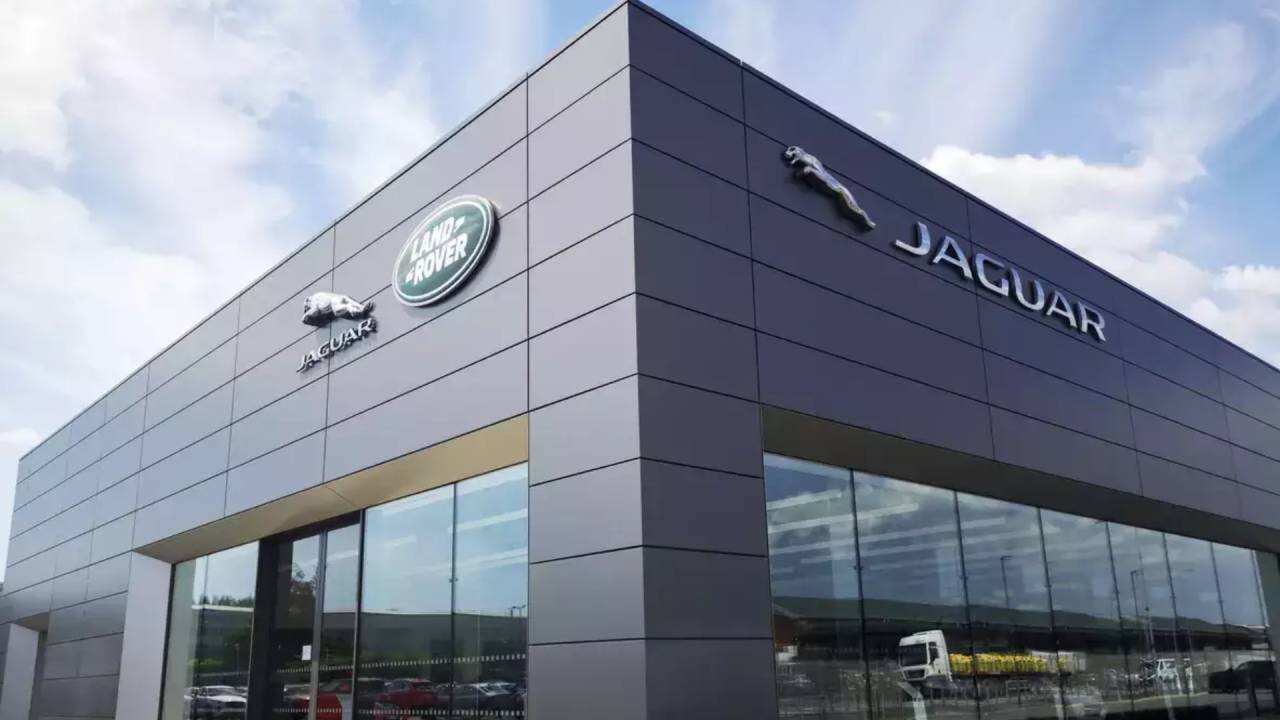
Jaguar Land Rover job cuts have become a major talking point in the international automotive sector as the luxury automaker announces plans to eliminate approximately 4,000 positions globally over the next two years. This decisive move, confirmed by the company’s chief executive, marks a significant turning point in the brand’s ongoing corporate evolution. As traditional automotive giants face mounting economic headwinds, rapid technological shifts, and fierce global competition, iconic British manufacturers are forced to reevaluate their operational models to secure long-term viability.

Understanding the full scope of these sweeping organizational changes requires looking closely at the broader economic landscape. The decision is not merely a reactive measure to short-term financial deficits, but rather a calculated step within a broader long-term strategy designed to streamline manufacturing, accelerate digital transformation, and optimize supply chain efficiencies.
The Comprehensive Restructuring Strategy
At the heart of the latest corporate announcement is a rigorous efficiency program aimed at removing bureaucratic layers and enhancing organizational agility. Modern automotive manufacturing demands unprecedented levels of speed and adaptability, particularly as companies transition their product portfolios toward electrification and software-defined vehicles.
Modernizing Corporate Operations
To remain competitive against agile electric vehicle startups and established global legacy brands alike, executive leadership recognized the necessity of a leaner corporate structure. Key elements of this modernization effort include:
- Consolidating regional administrative offices to reduce overhead expenses.
- Accelerating automation across production lines to boost productivity.
- Optimizing research and development spending for next-generation powertrains.
- Enhancing digital integration throughout the entire supply chain network.
Financial Rebalancing and Efficiency
Achieving sustainable profitability in a volatile global market requires stringent cost management. By trimming thousands of professional and manufacturing roles, the company aims to reallocate capital into high-growth segments, specifically battery development and autonomous driving technologies.
Industry Pressures and Market Realities
The wider automotive industry is currently navigating a period of profound disruption. Traditional combustion engine platforms are rapidly giving way to battery-electric vehicles, requiring massive upfront capital investments that strain corporate balance sheets.

Global Supply Chain Disruptions
Over the past several years, global manufacturing supply chains have faced unprecedented volatility. From semiconductor shortages to geopolitical trade tensions, automakers have had to absorb escalating input costs while dealing with fluctuating consumer demand in key international territories.
Regulatory Compliance and Emission Standards
Governments worldwide continue to tighten environmental regulations, compelling legacy carmakers to accelerate their electrification timelines. Meeting these stringent targets demands substantial financial resources, which often necessitates difficult internal trade-offs, including workforce reductions.
Impact on the Global Workforce
Any announcement involving large-scale workforce reductions naturally generates significant concern among employees, labor unions, and regional communities. The reduction of roughly 4,000 positions will inevitably affect various operational tiers, from corporate offices to manufacturing plants.
Supporting Affected Employees
Company representatives have emphasized that leadership intends to handle the transition process responsibly. Management is engaging in consultations with employee representatives and trade unions to explore various mitigation options, including voluntary redundancy packages, early retirement incentives, and comprehensive outplacement support services.
Maintaining Operational Excellence
Despite the restructuring process, executive leadership maintains that vehicle quality, customer service standards, and product delivery schedules will remain unaffected. Production lines for upcoming luxury models are slated to continue operating under optimized schedules designed to minimize disruption.
Future Outlook for JLR
Looking ahead, the successful implementation of this restructuring initiative will be critical for determining the brand’s competitive standing in the luxury automotive segment. By shedding legacy inefficiencies, the enterprise hopes to emerge as a leaner, more resilient competitor capable of thriving in a rapidly evolving digital marketplace.
Investors and industry analysts will be closely monitoring quarterly financial reports to gauge whether these structural changes successfully yield the anticipated cost savings and operational efficiencies.
Conclusion
The announcement regarding Jaguar Land Rover job cuts underscores the immense pressures currently facing legacy automotive manufacturers. While the reduction of 4,000 global positions represents a difficult and painful chapter for the workforce, it highlights the rigorous measures required to secure a sustainable future in a rapidly modernizing industry. Through disciplined financial management, strategic operational streamlining, and a continued focus on technological innovation, the company aims to navigate these turbulent market conditions and position itself for long-term success.