
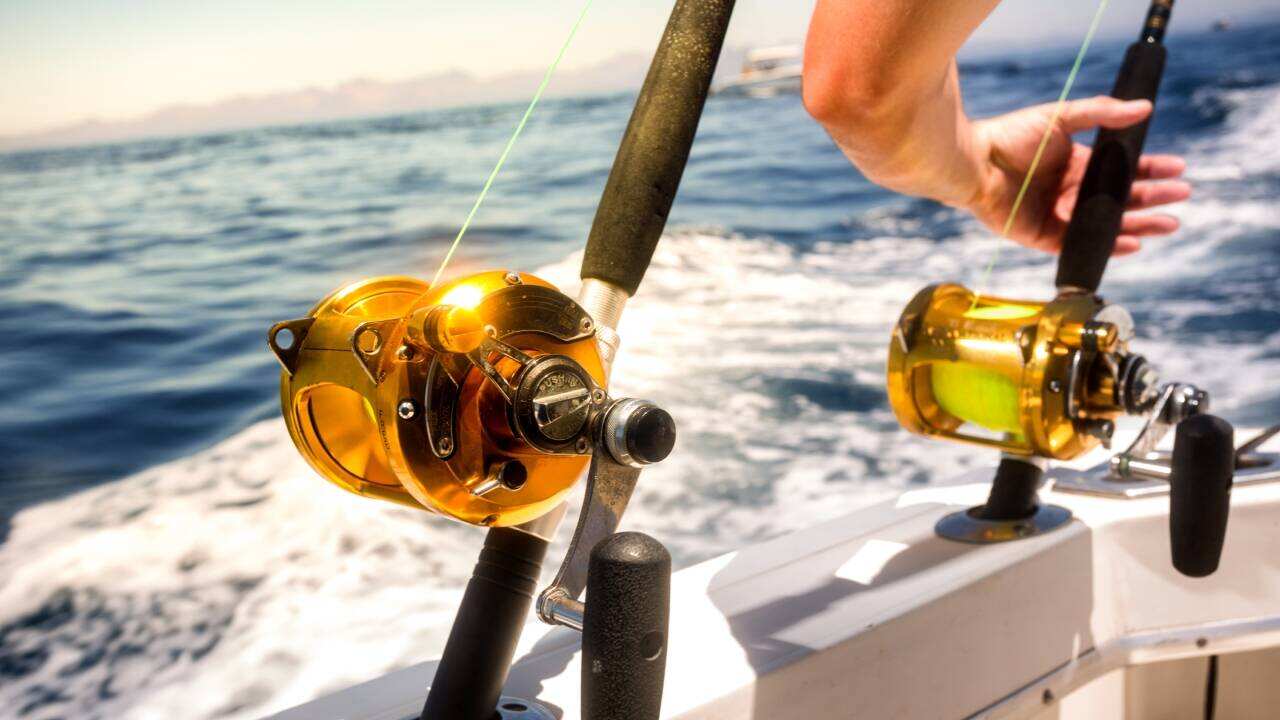

Southern California warm water fishing is currently experiencing a historic transformation as anglers off the Pacific coast encounter an unprecedented surge of exotic marine species. Rising ocean temperatures, largely driven by recurring climate phenomena such as El Niño and persistent marine heatwaves, are fundamentally shifting local ecosystems. While sportfishermen celebrate the thrilling arrival of pelagic species rarely seen this far north, marine scientists urge a balanced perspective, noting that dramatic oceanographic shifts often carry profound ecological consequences for native wildlife.
Table of Contents
Understanding the Pacific Ocean Temperature Surge
The Pacific Ocean along the West Coast of the United States is undergoing a dramatic thermal transition. Surface temperatures have climbed significantly above historical averages, creating an environment that closely resembles the waters found hundreds of miles further south. This warming trend is not an isolated anomaly but part of a broader pattern influenced by global climate shifts and localized weather anomalies.
Marine biologists monitor these temperature anomalies closely using a combination of satellite imagery, ocean buoys, and underwater sensors. When temperatures remain elevated over extended periods, the entire marine food web responds. Cold-water species retreat to greater depths or migrate northward, while thermophilic creatures expand their territory into regions where they were previously uncommon.
The Role of El Niño and Marine Heatwaves
El Niño events play a massive role in shaping Pacific weather and ocean currents. By weakening trade winds, El Niño allows warm equatorial water to spread eastward across the Pacific Basin. When combined with stationary atmospheric high-pressure systems—often referred to by scientists as “the blob”—these forces trap heat near the surface, preventing normal upwelling of nutrient-rich deep water.
The interplay of these factors creates a subtropical paradise in temperate zones, temporarily altering the biogeography of the California Current. Anglers tracking these developments often consult marine science updates to understand how shifting currents dictate fishing conditions.
Rare Species Making Waves in Southern California
Fishermen launching boats from San Diego to Santa Barbara are reporting remarkable catches that defy seasonal norms. Traditionally, local waters support species adapted to temperate conditions, but the influx of warm water has introduced visitors from Mexican waters and beyond.
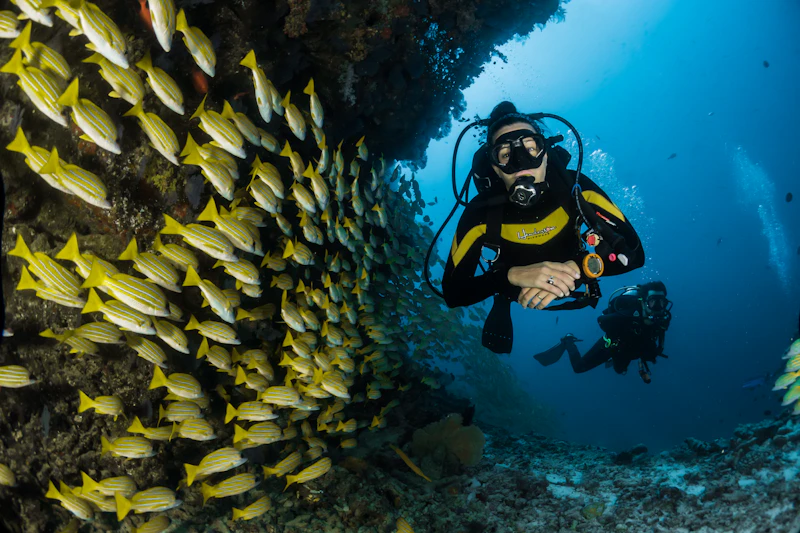
Anglers navigating Pacific coastal waters are encountering unexpected species as ocean temperatures climb.
Among the most notable species appearing in greater numbers and sizes are:
- Yellowtail: Highly prized by sportfishermen for their aggressive fight and excellent table quality.
- Pacific Bonito: Schools of energetic bonito are moving closer to the coast, providing fast-paced action.
- Barracuda and Dorado: Frequently spotted closer to kelp paddies than in typical years.
- Exotic Tropical Strays: Occasional sightings of species more typical of the Baja Peninsula.
Why Are Fish Growing Unusually Large?
The presence of larger specimens is partly attributed to accelerated metabolic rates and abundant localized food sources during the initial phases of warming. As baitfish congregate in warm surface layers, predatory fish feed heavily, resulting in rapid growth rates before the broader ecosystem experiences nutrient stress.
Ecological Implications of Marine Heatwaves
While recreational anglers rejoice over the diverse fishing opportunities, marine conservationists maintain a cautious outlook. Historical warm-water events have demonstrated that prolonged marine heatwaves can devastate kelp forests, deplete microscopic phytoplankton, and stress seabirds and marine mammals.
| Environmental Factor | Normal Conditions | Current Warm-Water Event |
|---|---|---|
| Surface Temperature | Moderate / Seasonal | Significantly Elevated |
| Kelp Forest Health | Dense and Thriving | Stressed / Declining |
| Dominant Fish Species | Rockfish, Halibut | Yellowtail, Bonito, Exotics |
When kelp forests suffer from nutrient deprivation, the entire coastal habitat loses critical shelter for juvenile fish and invertebrates. For deeper insights into ocean preservation, visit our guide on coastal conservation efforts.
Impact on Local Anglers and Sportfishing Industry
The local economy surrounding sportfishing experiences a notable boost during these temperature spikes. Charter boat operators report high booking rates as enthusiasts rush to catch pelagic fish without traveling far offshore. Tackle shops also see increased sales for specialized gear suited for fighting faster, stronger fish.
However, sustainable practices remain essential. Fisheries management agencies frequently evaluate catch limits to ensure that temporary influxes of fish are not overexploited by commercial and recreational fleets.
Conclusion
Southern California warm water fishing offers a fascinating glimpse into a changing marine climate. While catching oversized yellowtail and rare tropical species provides unforgettable experiences for local anglers, it serves as a powerful reminder of the delicate balance governing our oceans. Balancing recreational enthusiasm with rigorous ecological stewardship will be vital in preserving the health of Pacific fisheries for generations to come.