
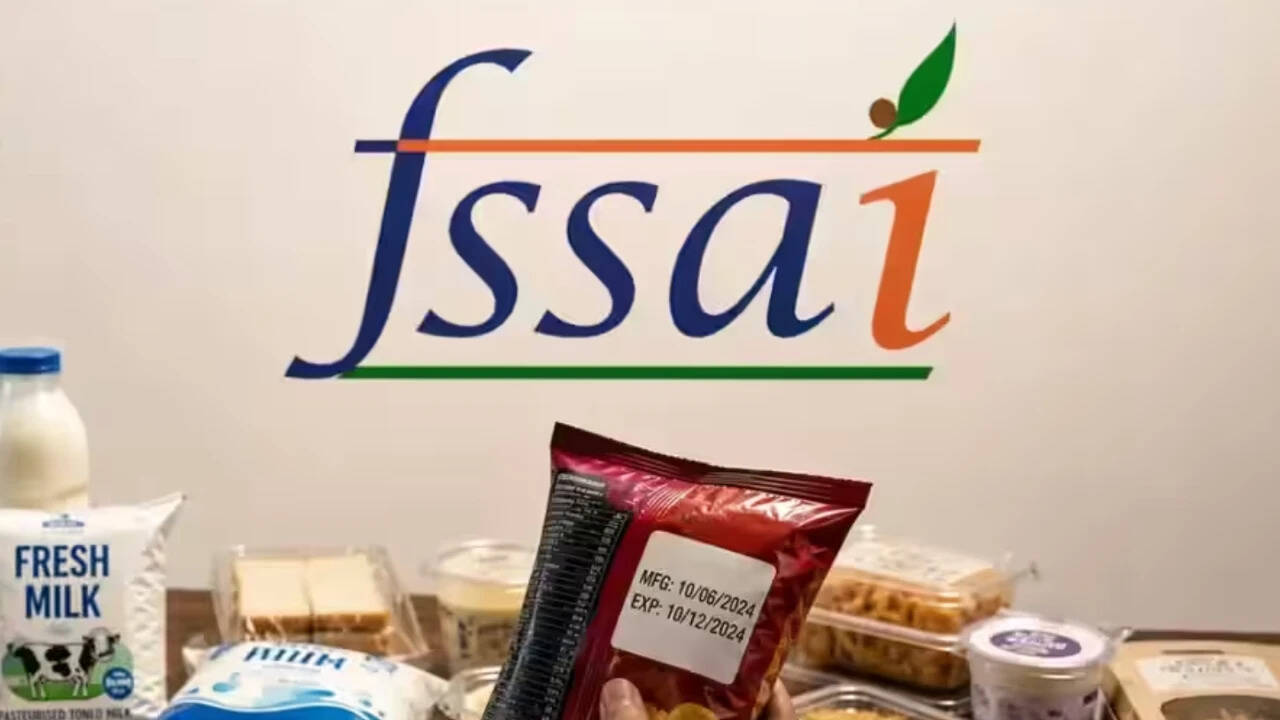

When discussing FSSAI food recall protocols, consumer safety remains the absolute top priority for regulatory authorities. Food safety is a cornerstone of public health, and regulatory bodies play a critical role in intercepting potentially hazardous items before they cause widespread harm. Recently, the Food Safety and Standards Authority of India issued a directive to recall two specific food products from the market following routine quality inspections and compliance checks. This action underscores the ongoing vigilance required within the modern food supply chain to protect millions of consumers daily.
Table of Contents
Understanding the FSSAI Food Recall Mechanism
The Food Safety and Standards Authority of India operates as the apex regulatory body designed to monitor and govern food safety standards nationwide. Understanding how an FSSAI food recall is initiated helps clarify the immense scope of food surveillance. When laboratories detect anomalies, contamination, or labeling discrepancies, swift administrative actions follow.

Regulatory bodies conduct rigorous laboratory testing to ensure consumer safety standards are strictly met.
Regulatory Standards and Compliance
Compliance with the Food Safety and Standards Act requires manufacturers to maintain rigorous quality control protocols. Failure to meet these mandatory specifications triggers immediate administrative warnings, financial penalties, or total market withdrawals. Regulatory agencies continuously update their safety benchmarks to align with global standards.
Reasons Behind the Recent Product Withdrawal
Every mandated withdrawal serves a distinct protective purpose. While specific batch details vary, common triggers for an FSSAI food recall include microbiological contamination, undeclared allergens, and chemical residue exceeding permissible limits. Manufacturers are legally obligated to trace affected batches and cooperate fully with enforcement officers.
Common Triggers for Safety Alerts
- Bacterial or fungal contamination discovered during surveillance.
- Mislabeling that poses severe risks to allergic consumers.
- Substandard raw materials utilized during production.
- Deviations from approved processing parameters.
Consumer Action and Safety Steps
Navigating an unexpected market withdrawal requires clear guidance for households. If you possess items impacted by the recent FSSAI food recall, refrain from consuming them immediately. Check batch numbers against official notifications published by the regulator or manufacturer.
What Affected Consumers Should Do
- Verify the product name and batch code against official announcements.
- Return the compromised item to the retailer for a full refund.
- Dispose of perishable items safely to prevent accidental ingestion.
- Report any adverse health reactions to local health authorities.
Conclusion
The recent enforcement action highlights the rigorous oversight maintained by India’s primary food regulator. By executing a timely FSSAI food recall, authorities actively safeguard public health and reinforce industry accountability. Consumers are encouraged to stay informed through official regulatory updates to ensure continuous dietary safety.